




Adm. Brad Cooper, the commander of U.S. forces in the Middle East, testified before the Senate Armed Services Committee on May 14 that the U.S. military has successfully neutralized 90 percent of Iran’s operational ballistic missile and drone capabilities in under 40 days. The swift military campaign has also effectively crippled the Iranian navy, severed critical support lines to regional proxy militias, and stalled the nation’s nuclear weapons development program.
A Strategic Shift in Middle Eastern Security
The operation represents a significant pivot in regional power dynamics. For decades, Iran utilized a strategy of asymmetric warfare, relying heavily on drone swarms and naval harassment to project influence across the Persian Gulf. By systematically dismantling these assets, the U.S. has forced a rapid erosion of the military framework Tehran spent billions of dollars to construct.
This campaign follows years of heightened tensions in the region, characterized by maritime seizures and attacks on international shipping lanes. The U.S. military’s ability to achieve such extensive degradation in less than six weeks underscores a major shift in the technological and tactical balance of power within the Middle East.
Projecting Power in the Arabian Sea
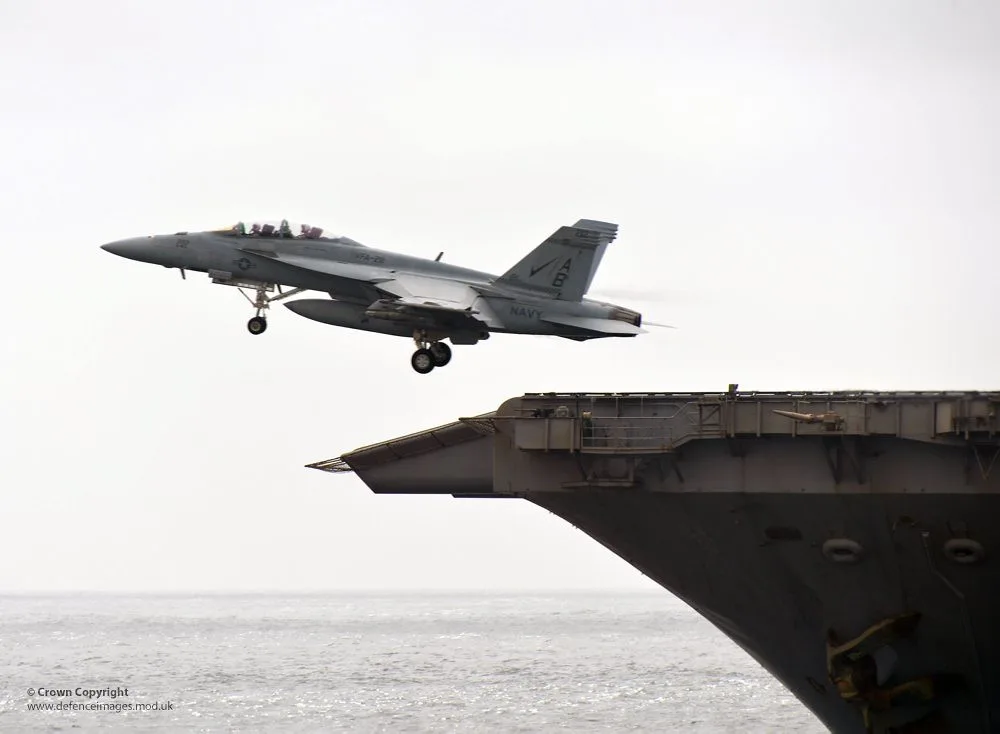
The current operational posture features two U.S. Navy aircraft carrier battlegroups, supported by a Marine task force, patrolling the Arabian Sea. These assets have established a de facto blockade, preventing Iranian naval vessels from exiting the Persian Gulf. A second Marine task force is expected to arrive shortly, further solidifying the U.S. grip on the maritime corridor.
Adm. Cooper emphasized that this dominant naval presence provides the U.S. with the tactical capability to take control of the Strait of Hormuz if necessary. Reopening this vital shipping lane, which has long been a flashpoint for international trade, remains a central objective for the Pentagon. The ability to secure this waterway would ensure the free flow of energy and goods, mitigating the risk of future Iranian interference.
Data and Expert Analysis
Military analysts suggest that the speed of the degradation points to the effectiveness of advanced electronic warfare and preemptive precision strikes. While Iranian officials have historically claimed their defense networks were impenetrable, the rapid destruction of their missile silos and drone launch sites suggests a failure of their integrated air defense systems against modern Western capabilities.
The economic impact of this campaign is already being monitored by global markets. With the Strait of Hormuz effectively under U.S. watch, the threat of energy supply chain disruptions has decreased, potentially stabilizing oil prices that were previously volatile due to regional instability.
Implications for Regional Stability
The primary implication of this shift is the potential for a vacuum in the regional security architecture. As Iran’s ability to project power via proxy groups wanes, neighboring nations may need to recalibrate their own defense strategies. The U.S. remains focused on maintaining this pressure to ensure that the infrastructure for nuclear proliferation remains dormant.
Observers are now watching for Tehran’s potential diplomatic response or attempts to reconstitute its forces through clandestine channels. The next phase of this operation will likely center on monitoring the effectiveness of the blockade and assessing whether the current military posture will lead to a long-term shift in Iranian foreign policy or merely a temporary retreat. International stakeholders remain alert to potential retaliatory cyber operations, as the physical battlefield becomes increasingly restricted for the Iranian military.