




Strategic Energy Security
The United Arab Emirates (UAE) has officially confirmed plans to accelerate a major pipeline project designed to circumvent the Strait of Hormuz, a critical maritime chokepoint. Crown Prince Sheikh Khaled bin Mohamed bin Zayed Al Nahyan announced the initiative this week, emphasizing the project’s role in ensuring the reliable flow of energy to global markets. This move comes as regional geopolitical tensions continue to threaten the stability of the world’s most important oil transit artery.
Contextualizing the Strait of Hormuz
The Strait of Hormuz is a narrow waterway located between Oman and Iran, serving as the primary exit for oil exports from the Persian Gulf. According to the U.S. Energy Information Administration (EIA), approximately 21 million barrels of petroleum liquids pass through the strait daily, accounting for roughly 21 percent of global petroleum consumption. Any disruption in this area, whether through military conflict or political posturing, has historically triggered immediate spikes in international oil prices.
Project Scope and Implementation
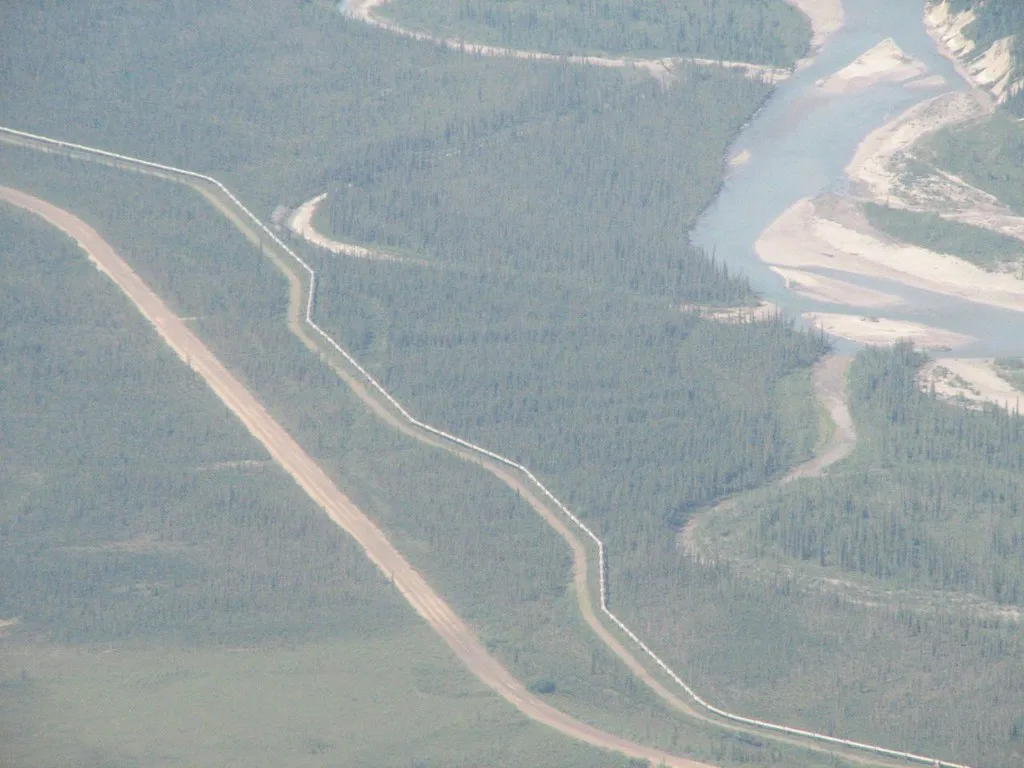
The UAE’s infrastructure expansion focuses on bolstering the capacity of existing land-based pipelines that transport crude oil directly to the Arabian Sea. By shifting reliance away from maritime tankers navigating the vulnerable waterway, the UAE aims to insulate its exports from potential regional maritime blockades. Industry analysts suggest that this infrastructure upgrade will involve significant capital investment in pumping stations and terminal facilities at the port of Fujairah.
Expert Analysis on Energy Markets
Energy market experts view the acceleration as a defensive hedge against systemic risk. “This project is a clear signal that producer nations are prioritizing supply chain resilience over short-term cost savings,” notes Sarah Miller, a senior analyst at the Global Energy Institute. Data from regional energy ministries indicates that the expanded pipeline capacity could eventually handle nearly 70 percent of the UAE’s daily export volume, effectively decoupling a significant portion of their output from the Strait of Hormuz.
Industry and Global Implications
For global traders and shipping companies, the diversification of transit routes is a welcome development that could stabilize insurance premiums for tankers operating in the Gulf. However, the project also highlights the growing divide between regional powers regarding maritime security. As the UAE solidifies its terrestrial export capabilities, the geopolitical leverage previously held by states capable of influencing traffic through the strait may begin to wane.
Future Outlook
Looking ahead, the focus will shift to the project’s construction timeline and the potential for other Gulf Cooperation Council (GCC) members to follow suit. Market observers will monitor whether Saudi Arabia and Kuwait seek similar land-based alternatives to bypass the bottleneck. Furthermore, the completion of this infrastructure will likely influence long-term maritime security strategies, potentially reducing the necessity for a permanent, high-intensity naval presence within the immediate vicinity of the Strait of Hormuz.