





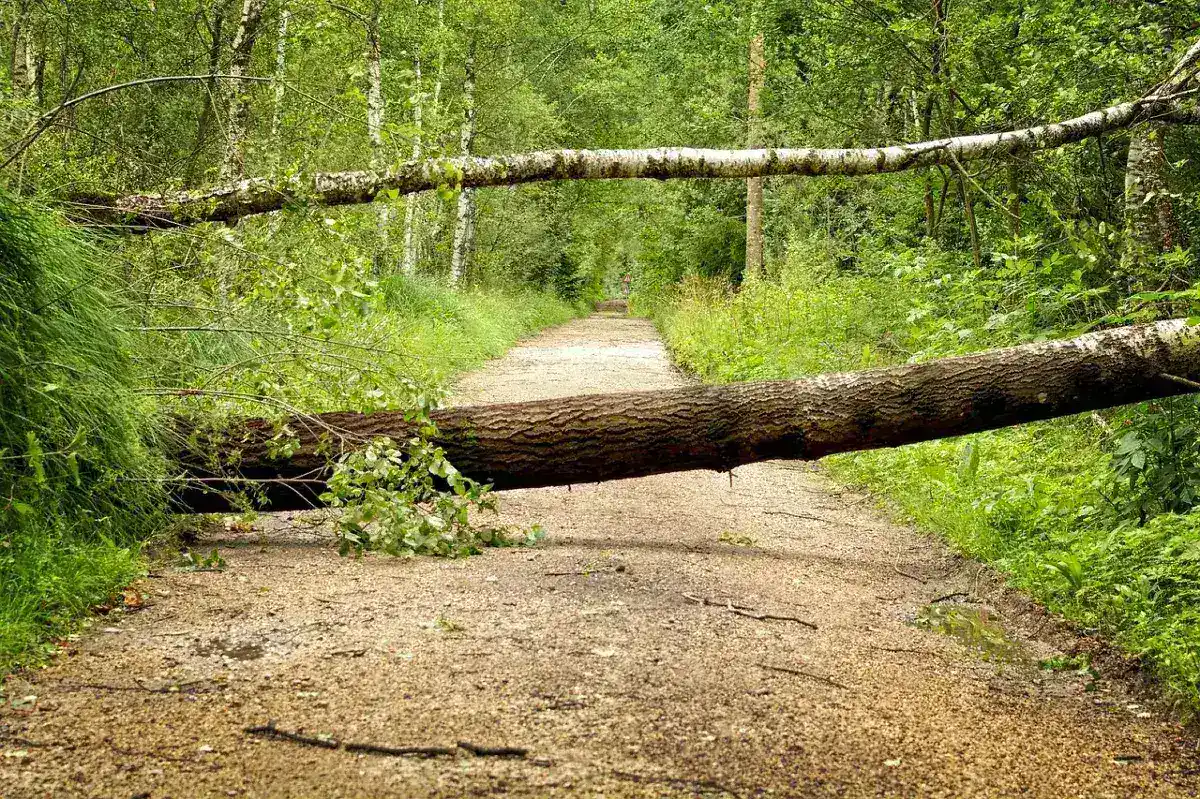
A series of violent, high-intensity storms swept across multiple regions of India this week, resulting in the deaths of more than 100 people due to lightning strikes, severe hail, and structural collapses. Local authorities confirmed the fatalities following a sudden atmospheric disturbance that brought torrential rain and gale-force winds to densely populated agricultural zones.
The extreme weather events, which began late Tuesday and continued through Thursday, have left thousands of residents displaced and caused widespread damage to critical infrastructure. Emergency response teams remain on the ground to conduct search-and-rescue operations as the death toll continues to fluctuate while reports from remote villages reach district headquarters.
Understanding India’s Seasonal Climate Volatility
India frequently experiences severe convective weather during the transition months between seasons. These storms are often characterized by rapid temperature shifts that create unstable air masses, leading to localized but devastating lightning activity and large-scale hail production.
Meteorological data indicates that the current storm system was exacerbated by an unusual influx of moisture from the Bay of Bengal meeting cold air currents from the north. This collision triggered intense thunderstorms that moved rapidly across state lines, catching many residents unprepared during evening hours.
Scope of the Damage and Emergency Response
The impact of the storms has been most severe in rural areas where infrastructure is less resilient to extreme wind speeds. Thousands of homes, many constructed with mud and thatch, were flattened by the force of the wind, while power grids across multiple districts suffered total failure.
State disaster management authorities have mobilized rapid response units to provide medical aid and temporary shelter to the affected populations. Government officials have pledged financial compensation to the families of those deceased, though relief efforts have been hampered by flooded roads and downed power lines that have restricted access to the hardest-hit areas.
Expert Perspectives on Climate Trends
Climatologists have pointed to a growing trend in the frequency and severity of pre-monsoon storms across the Indian subcontinent. Data from the India Meteorological Department (IMD) shows that lightning-related deaths have seen a statistically significant increase over the past decade, likely linked to shifting atmospheric patterns and rising surface temperatures.
“We are seeing energy-dense systems that develop faster than historical models predicted,” noted one independent climate researcher. “The combination of increased moisture and higher instability in the lower atmosphere is turning routine seasonal storms into lethal events that overwhelm local preparedness strategies.”
Long-term Implications and Future Preparedness
The scale of this disaster serves as a critical indicator for the need to modernize early warning systems and infrastructure planning in India. As extreme weather events become more frequent, the focus is shifting toward the implementation of localized lightning detection networks and the construction of storm-resilient housing in vulnerable rural zones.
For the agriculture sector, the devastation serves as a stark reminder of the economic fragility inherent in traditional farming practices during volatile weather cycles. Moving forward, stakeholders will be watching for potential policy shifts regarding disaster mitigation funding and the development of more robust satellite-based monitoring tools to provide earlier warnings to remote communities before the next storm season arrives.