




Call for Congressional Oversight
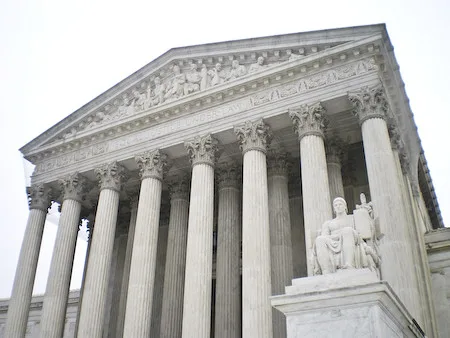
A coalition of prominent government watchdog groups issued a formal request to the Senate Judiciary Committee on Thursday, urging a comprehensive investigation into Supreme Court Justice Samuel Alito regarding potential conflicts of interest. The groups allege that Alito, the only sitting justice known to hold significant investments in the energy sector, may have violated judicial ethics codes by participating in rulings that could directly influence the financial performance of those companies.
The Context of Judicial Ethics
The Supreme Court has long operated under a system that relies heavily on the self-policing of its members regarding recusal. Unlike lower federal courts, which are bound by a strict code of conduct, the nation’s highest court only recently adopted a formal code of ethics in November 2023 following intense public pressure. Critics argue that the current code remains toothless, as it lacks an enforcement mechanism to hold justices accountable for potential conflicts of interest or undisclosed financial ties.
The Nature of the Allegations
The primary point of contention centers on Justice Alito’s financial disclosure reports, which confirm holdings in several major oil and gas corporations. Watchdog organizations argue that by failing to recuse himself from cases involving environmental regulations or energy policy, Alito has created an appearance of impropriety. Legal ethics experts note that even if a justice does not intend to sway a decision for personal gain, the mere existence of a financial interest in a party appearing before the court undermines public confidence in the judiciary.
Expert Perspectives and Data
Data from the OpenSecrets database highlights the unique position Alito holds among his colleagues, as most other justices have moved their assets into diversified index funds to avoid specific sectoral conflicts. Legal scholars suggest that the lack of a mandatory recusal process allows individual justices to define their own ethical boundaries. Some constitutional experts argue that Article III of the Constitution grants the Supreme Court independence, while others maintain that Congress possesses the constitutional authority to regulate the court’s ethical standards through its oversight powers.
Broader Industry and Public Implications
The controversy underscores a growing national debate over the transparency of the judicial branch at a time when the Supreme Court is deciding major cases on climate change and federal regulatory power. For the legal industry, this push for oversight represents a significant shift in how the public monitors the conduct of federal judges. If the Senate Judiciary Committee decides to hold hearings, it could set a historic precedent for congressional involvement in the internal affairs of the Supreme Court.
Future Developments to Watch
Moving forward, legal analysts are closely watching whether Senate leadership will provide a formal response to the watchdog coalition’s request. Additionally, public interest groups are expected to increase pressure on other justices to disclose more granular details regarding their financial portfolios. Observers should also monitor potential legislative efforts in the upcoming session that aim to codify stricter recusal requirements for Supreme Court justices, which would fundamentally alter the relationship between the legislative and judicial branches.