





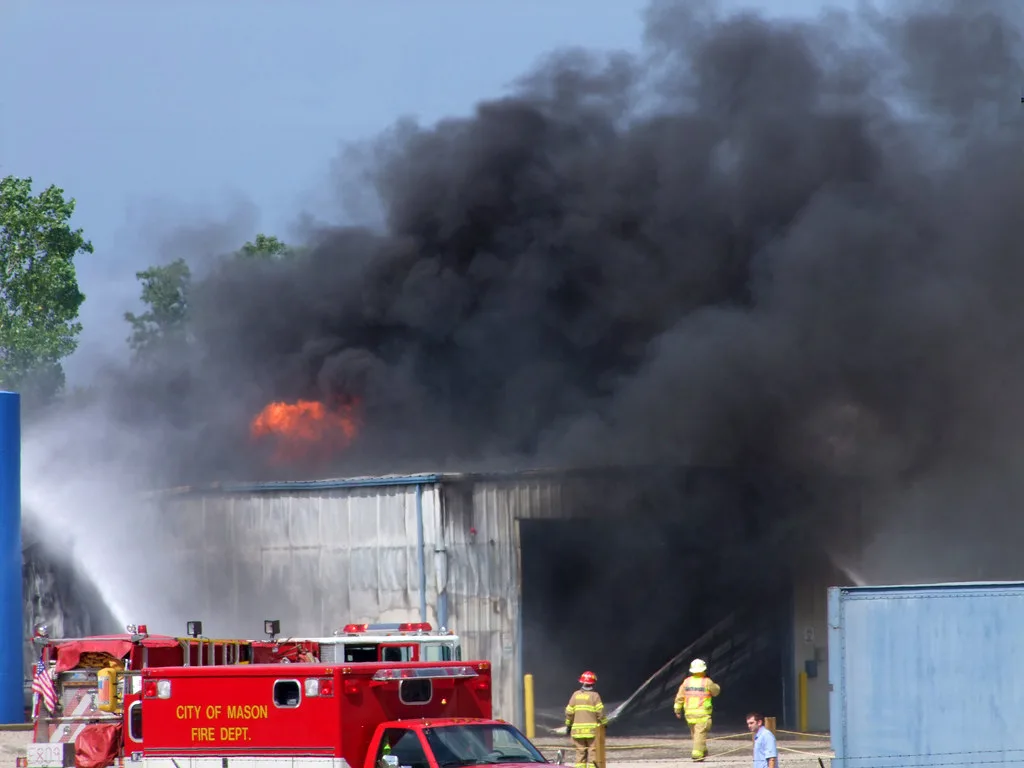
A catastrophic chemical tank rupture at a manufacturing plant straddling the Washington and Oregon border has resulted in at least one fatality, with emergency services reporting individuals still unaccounted for. The incident occurred late Tuesday, prompting a swift and large-scale response from multiple agencies as hazardous material teams worked to contain the situation.
Emergency Response and Initial Findings
First responders arrived at the scene, identified as a chemical processing facility, shortly after the rupture was reported. The immediate priority was to assess the extent of the damage and the potential for widespread contamination.
Authorities confirmed one confirmed fatality at the scene. The number of unaccounted-for individuals suggests the potential for further casualties, heightening the urgency of rescue and recovery operations. The specific chemicals involved and the volume released are still under investigation, but initial reports indicate a significant hazardous material release.
Background of the Facility
The manufacturing plant, located in a semi-industrial area near the state line, has been a significant employer in the region for decades. It is known for producing a range of industrial chemicals used in various sectors, including agriculture and manufacturing.
Regulatory records for the facility indicate a history of compliance with environmental and safety standards. However, investigations into the cause of the rupture are expected to scrutinize maintenance logs, operational procedures, and any prior safety concerns raised.
Challenges in Containment and Investigation
Hazardous materials teams faced significant challenges in containing the spill and assessing the integrity of other storage units. The nature of the released chemicals dictates the safety protocols and personal protective equipment required for responders.
The geographical location on the state border adds a layer of complexity to the emergency response, requiring close coordination between Washington and Oregon state agencies, as well as local fire departments and environmental protection units.
Expert Analysis and Safety Protocols
Industrial safety experts emphasize that such catastrophic failures, while rare, underscore the critical importance of rigorous inspection and maintenance schedules for chemical storage facilities. Dr. Evelyn Reed, a chemical engineering consultant, stated, “The integrity of storage tanks is paramount. Regular ultrasonic testing, visual inspections, and material analysis are vital to prevent failures caused by corrosion, stress, or material degradation.”
The incident also brings to the forefront the need for robust emergency preparedness plans for industrial accidents. These plans typically involve evacuation procedures, containment strategies, and communication protocols with local communities.
Community Impact and Future Outlook
Local residents in close proximity to the plant were advised to shelter in place as a precautionary measure while air quality was monitored. The long-term environmental impact will depend on the specific chemicals released and the effectiveness of containment efforts.
As the immediate crisis response continues, the focus will shift to a thorough investigation into the root cause of the tank rupture. This will involve forensic analysis of the failed tank and a review of all operational data leading up to the incident. The findings will be crucial for preventing similar tragedies in the future and reinforcing safety standards across the chemical industry. Authorities are expected to release further updates as the investigation progresses and more information becomes available regarding the unaccounted-for individuals and the full extent of the environmental impact.