





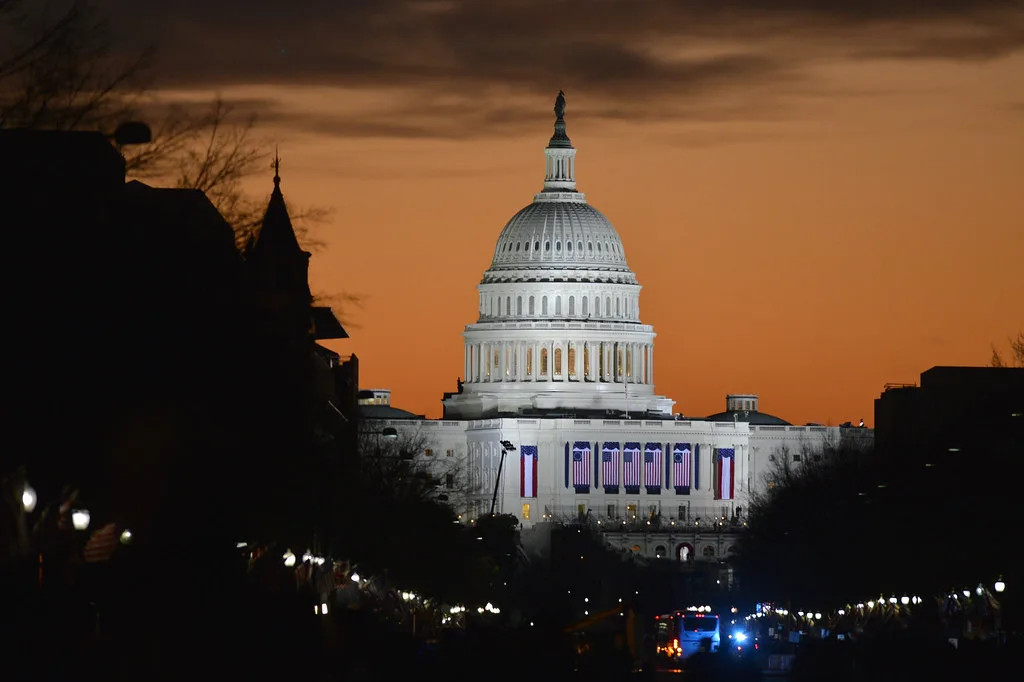
As the United States approaches a critical fiscal deadline, Speaker Kevin McCarthy and President Joe Biden find themselves locked in a high-stakes standoff over the federal debt ceiling that threatens to trigger widespread economic instability. Simultaneously, the 2024 Republican primary field is witnessing a surge of activity, with Governor Ron DeSantis making strategic overtures in Washington, D.C., while other prominent figures like Chris Christie weigh potential bids to challenge the dominance of former President Donald Trump.
The Looming Economic Precipice
The debt ceiling debate has transformed into a litmus test for legislative leverage, placing millions of Americans at risk of financial fallout. Treasury Secretary Janet Yellen has warned that the government could default on its obligations as early as this summer if Congress fails to raise or suspend the debt limit.
Economists at Moody’s Analytics suggest that even a short-term default could result in millions of job losses and a significant contraction of the gross domestic product. The friction between the White House and the House GOP leadership centers on demands for deep spending cuts in exchange for lifting the borrowing cap, creating a stalemate that markets are monitoring with increasing anxiety.
Shifting Dynamics in the 2024 GOP Field
Beyond the fiscal drama, the Republican Party is grappling with internal identity crises as the 2024 campaign cycle accelerates. Governor Ron DeSantis, who previously built a political brand on distancing himself from the federal establishment, has recently initiated a series of meetings with GOP lawmakers in Washington.
Political analysts view this shift as a calculated move to consolidate institutional support before a formal entry into the presidential race. The strategy aims to bridge the gap between his populist Florida base and the traditional party infrastructure that remains influential in primary funding and endorsements.
The Challenge of Trump’s Influence
The shadow of Donald Trump continues to define the landscape of the Republican primary, prompting intense debate over the party’s future viability. While some influential party donors and strategists argue that the GOP must move past the former president to regain suburban voters, Trump maintains a robust and loyal following among the grassroots base.
This divide has paved the way for potential candidates like former New Jersey Governor Chris Christie to test the waters for a primary challenge. Christie’s potential entry, alongside other high-profile contenders, suggests a desire among some party factions to offer an alternative to the Trump-centric model of governance.
Regional Tensions and Broader Implications
Adding to the sense of national turbulence, recent political developments in Tennessee have highlighted growing ideological fractures across the country. Legislative battles over gun control and public conduct are serving as proxies for larger, nationwide debates that are increasingly polarizing the electorate.
Industry experts suggest that this combination of fiscal uncertainty and political fragmentation will likely create a volatile environment for businesses and investors. Market volatility is expected to persist as long as the debt ceiling remains unresolved, potentially impacting interest rates and consumer confidence.
What to Watch Next
The coming weeks will be defined by the success or failure of negotiations between the White House and House leadership. Observers should monitor whether the GOP can unify behind a singular fiscal proposal or if the internal divisions regarding the party’s future leadership path further complicate legislative progress. The outcome of these discussions will likely set the tone for both the national economy and the primary election trajectory heading into the autumn.