




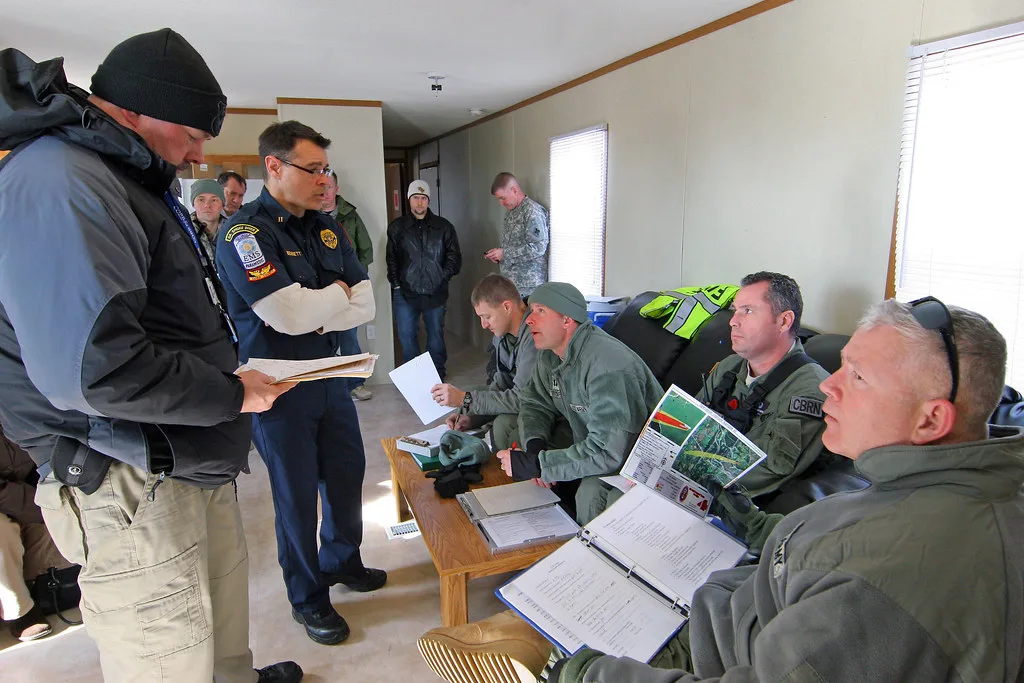
Emergency responders in Southern California spent the weekend engaged in a high-stakes operation to stabilize a chemical storage tank teetering on the brink of a catastrophic explosion. Incident commanders confirmed that cooling efforts were intensified throughout Saturday and Sunday to prevent a potential blast that threatened to release toxic plumes into the surrounding community, marking a critical intervention to avert a worst-case environmental disaster.
The Context of Industrial Risk
The facility, located in an industrial corridor, houses volatile chemicals that require precise thermal management to remain in a stable state. When cooling systems fail, the internal pressure can rise rapidly, leading to structural failure or a violent chemical reaction.
Local authorities have been on high alert as they monitor the integrity of the vessel. The proximity of the tank to residential areas and critical infrastructure has necessitated a multi-agency response involving hazardous materials experts, fire departments, and environmental protection agencies.
Tactical Response and Safety Measures
Crews deployed specialized equipment to douse the exterior of the tank with water, facilitating a controlled heat exchange to lower the internal temperature. This cooling process is essential for preventing the chemical contents from reaching their thermal runaway point.
Incident commanders have utilized infrared technology to monitor the tank’s surface temperature in real-time. By maintaining a constant flow of water, teams have successfully prevented the pressure from reaching critical thresholds, though the situation remains fluid and highly sensitive to environmental conditions.
Expert Analysis and Industrial Standards
Chemical safety experts note that such incidents, while rare, highlight the inherent risks of storing large volumes of reactive substances near urban centers. According to the U.S. Chemical Safety Board, industrial facilities are governed by strict safety protocols designed to mitigate these exact scenarios, yet human error or mechanical failure can still trigger dangerous chain reactions.
Data from the Environmental Protection Agency (EPA) suggests that the risk of chemical release is highest during periods of extreme heat or maintenance downtime. The ongoing operation in California serves as a stark reminder of the importance of robust emergency preparedness and the necessity of redundant cooling systems in industrial chemical management.
Future Implications for Public Safety
The resolution of this crisis will likely trigger a comprehensive review of industrial safety regulations in the region. Regulators are expected to scrutinize the maintenance logs and safety infrastructure of the facility to determine if preventative measures were sufficient prior to the cooling failure.
For the surrounding community, the focus remains on long-term air quality monitoring and the potential for a formal investigation into the root cause of the pressure buildup. Stakeholders should watch for upcoming reports from local fire marshals, which will likely dictate whether new zoning restrictions or more stringent cooling requirements are implemented for similar facilities across the state.