



The Government of India has established a high-level committee to investigate “unnatural demographic changes” and illegal infiltration across the nation. Announced by Union Home Minister Amit Shah, the newly formed panel will analyze population shifts, particularly in sensitive border states, to address growing national security concerns and resource allocation challenges. The initiative reflects the federal government’s intensifying focus on border management and the preservation of regional cultural identities.
Understanding Demographic Shifts in India
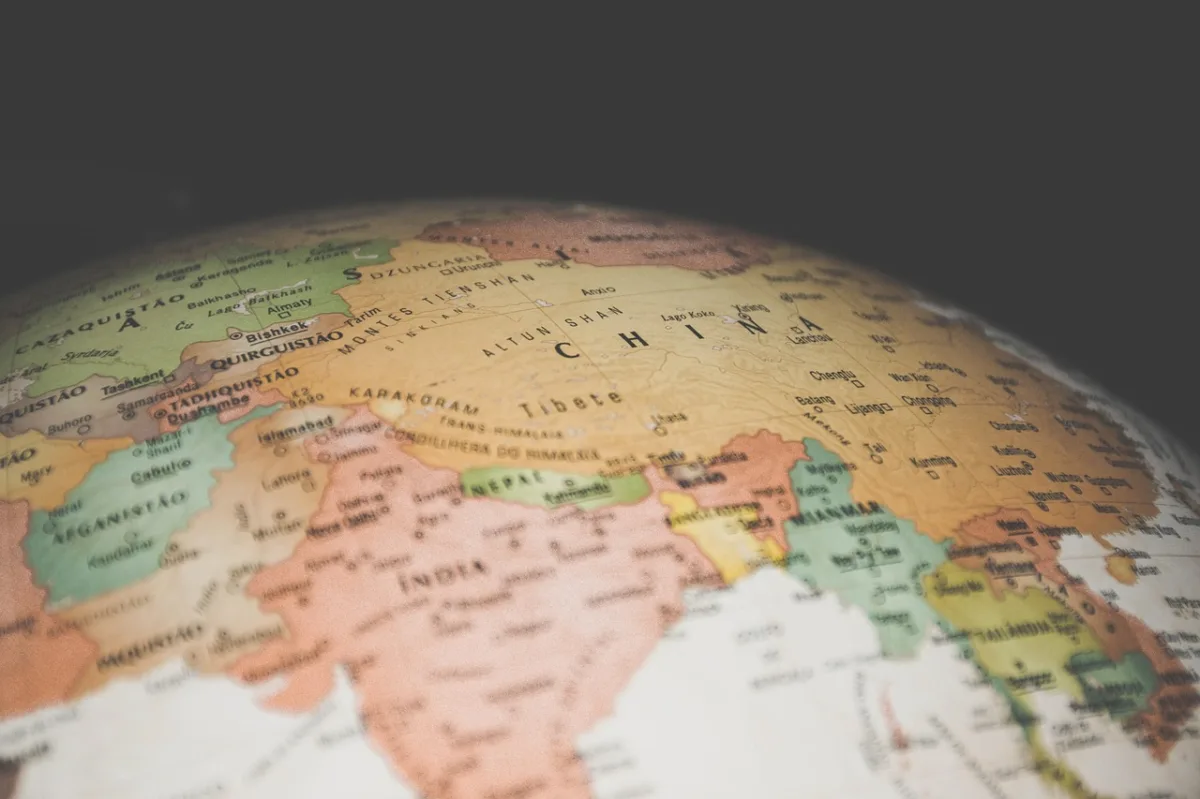
Demographic balance has long been a sensitive political and social issue in India, particularly in states sharing borders with Bangladesh, Myanmar, and Nepal. Over the past decade, local administrations and community leaders in regions like Assam, West Bengal, and Jharkhand have raised alarms over rapid changes in local population structures.
The term “unnatural demographic change” typically refers to population growth in specific districts that disproportionately outpaces historical trends. Government officials attribute these anomalies primarily to illegal migration networks that bypass official border checkpoints and establish unauthorized settlements.
This initiative follows years of debate surrounding the National Register of Citizens (NRC) and the Citizenship Amendment Act (CAA). While the government views these measures as necessary steps to secure national borders, critics frequently question the underlying data, pointing out that India has not conducted a nationwide census since 2011.
Scope and Mandate of the High-Level Panel
The newly formed committee comprises senior bureaucrats, security experts, and demographic analysts. Their primary mandate is to identify districts experiencing statistically anomalous population growth and trace the root causes of these shifts.
According to Ministry of Home Affairs sources, the panel will utilize satellite imagery, local land registry records, and state-level biometric databases to map migration patterns. The committee will also scrutinize the issuance of government identity documents in border districts to detect potential forgery and systemic loopholes.
Union Home Minister Amit Shah categorized illegal infiltration as a “major challenge” during a recent public address. Shah emphasized that unchecked migration strains local economies, alters voting patterns, and compromises national security infrastructure.
Differing Perspectives on the Initiative
Supporters of the government’s move argue that a comprehensive audit of demographic trends is long overdue. Security analysts point out that porous borders in the northeast have historically facilitated illegal crossings, which can lead to social tensions over land ownership and employment opportunities.
Conversely, opposition leaders and human rights advocates express concern over the timing and intent of the committee. Critics argue that focusing on “unnatural” demographic changes without updated, official census data could lead to the profiling of marginalized communities and exacerbate social divisions.
Demographers also emphasize the need for scientific rigor. Experts suggest that internal migration—driven by economic opportunities, climate displacement, and urbanization—must be carefully distinguished from international infiltration to avoid flawed policy decisions.
Implications for Border Policy and Governance
The findings of this high-level committee are expected to heavily influence India’s domestic security policies and international border management strategies. If the panel identifies systemic vulnerabilities, the government may deploy additional security forces and accelerate the installation of smart fencing technologies along sensitive borders.
Additionally, the committee’s report could provide the legislative groundwork for stricter land-acquisition laws in border districts. Several state governments have already proposed laws restricting land sales to non-locals to protect indigenous communities from demographic marginalization.
In the coming months, observers will closely watch for the release of the committee’s preliminary findings and how they integrate with the delayed national census. The policy recommendations generated by this panel will likely shape the political discourse leading up to future state and federal elections, making demographic governance a central pillar of India’s national security agenda.