





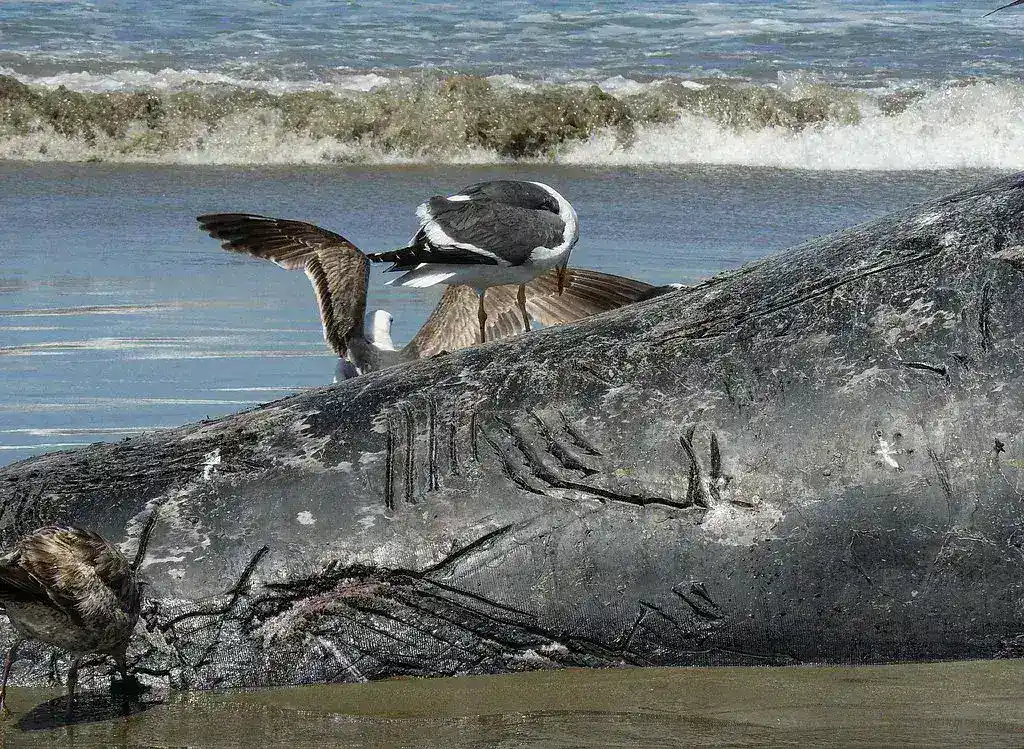
Expert Investigation into Stranded Cetacean
A German veterinarian and a representative from the Danish Nature Agency are scheduled to arrive on the Danish coast this week to conduct a formal inspection of a deceased whale that washed ashore. The collaborative effort aims to determine the cause of death of the massive marine mammal, which was discovered by local authorities during a routine patrol of the coastline.
The incident follows a series of recent reports regarding increased marine mammal activity in the North and Baltic Seas. While strandings occur periodically due to natural causes, the proximity of this specimen to major shipping lanes has prompted officials to investigate potential human-related factors, including vessel strikes or entanglement in commercial fishing gear.
Understanding the Context of Marine Strandings
Marine mammal strandings are complex events that can be triggered by a variety of environmental and biological stressors. According to the International Whaling Commission (IWC), factors ranging from underwater noise pollution to shifts in prey availability due to climate change can disrupt the navigation and health of whale populations.
Danish authorities have cordoned off the immediate area to ensure public safety and to preserve the integrity of the remains for scientific analysis. The Danish Nature Agency, which manages the country’s coastal ecosystems, has emphasized that the data gathered during this inspection will be integrated into national records to better monitor regional marine health.
Scientific Analysis and Biological Assessment
The investigation will involve a necropsy, a surgical examination of the animal to identify internal trauma or disease. The German veterinarian, specializing in marine biology, will lead the biological assessment, focusing on tissue samples that may reveal evidence of acoustic trauma or ingestion of pollutants.
Data from the European Cetacean Society suggests that standardized necropsy protocols are vital for tracking long-term health trends in European waters. By comparing the findings from this whale with previous records, researchers can identify if there is a pattern of mortality linked to specific seasonal migrations or industrial activity.
“The examination of a stranded whale provides a unique, albeit tragic, opportunity to gain insights into the ocean’s health,” said a spokesperson for the Danish Nature Agency. The team will look for signs of malnutrition, infection, or external injuries that might indicate a collision with maritime traffic.
Implications for Maritime Policy and Conservation
The findings from this inspection carry significant weight for local environmental policy and maritime safety regulations. If the necropsy reveals that human activity was a primary factor in the animal’s death, it could lead to stricter speed restrictions for vessels operating in the region or changes in fishing practices.
For the broader scientific community, this case serves as a reminder of the fragility of marine biodiversity in heavily industrialized waters. The integration of international expertise underscores the necessity of cross-border cooperation in managing environmental crises that do not respect national boundaries.
Looking ahead, observers are waiting for the final report to see if the findings will influence upcoming legislative discussions regarding marine protected areas. The results of the examination are expected to be published within the coming weeks, providing a clearer picture of the risks facing whale populations in the North Sea and potentially setting a precedent for future international collaborative studies.