





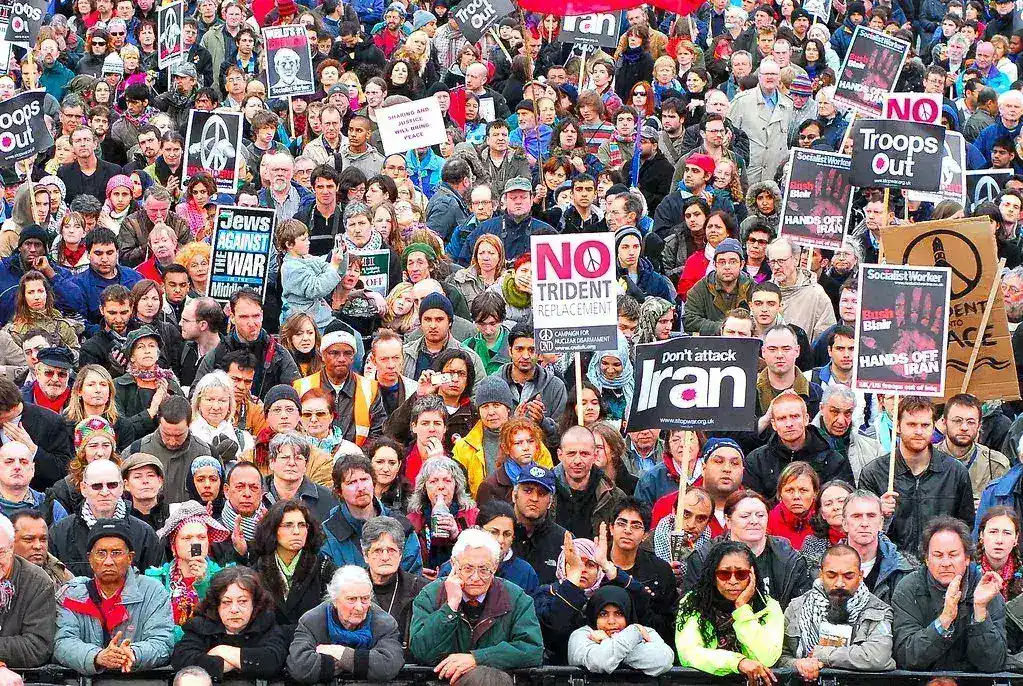
Thousands of demonstrators gathered in central London on May 16 as the grassroots movement ‘Unite the Kingdom,’ spearheaded by activist Tommy Robinson, held a major rally and march to advocate for free speech. The event, which commenced at 12 p.m. local time, drew supporters from across the country to voice concerns regarding national identity and civil liberties during a period of significant political transition in the United Kingdom.
The Context of the Movement
The ‘Unite the Kingdom’ initiative emerged as a platform for citizens who feel their voices are being sidelined by mainstream political discourse. Organized by Stephen Yaxley-Lennon, better known as Tommy Robinson, the movement positions itself as a response to what organizers describe as the erosion of traditional national values and the suppression of dissenting opinions on sensitive social issues.
The rally follows a series of smaller local gatherings throughout the UK, signaling a strategic shift toward centralized, high-profile demonstrations in the capital. These events have historically attracted diverse groups, ranging from concerned citizens to political activists, all united under the banner of preserving fundamental free speech protections.
Perspectives on the Protest
Proponents of the rally argue that the right to express controversial views is the cornerstone of a healthy democracy. Supporters carried placards and banners calling for greater transparency in governance and an end to what they characterize as ‘state-sanctioned censorship’ of public debate.
Conversely, the event has drawn criticism from civil society organizations and local officials who raise concerns about the potential for public disorder. Data from previous demonstrations organized by Robinson indicates that such events often trigger counter-protests, necessitating significant police presence and rigorous public order management to ensure the safety of both demonstrators and the general public.
Implications for Civil Discourse
The mobilization highlights a growing polarization within British society regarding the boundaries of acceptable speech. For the industry and the public, this trend suggests that the debate over digital and physical censorship will remain a flashpoint in national politics for the foreseeable future.
As these grassroots movements gain traction, policymakers face the challenge of balancing public safety with the constitutional right to protest. Observers should monitor the impact of this rally on upcoming legislative discussions regarding public order laws and online safety regulations, as these debates will likely shape the landscape of political activism in the UK throughout the remainder of the year.