




Widespread Blackout Grips Eastern Provinces
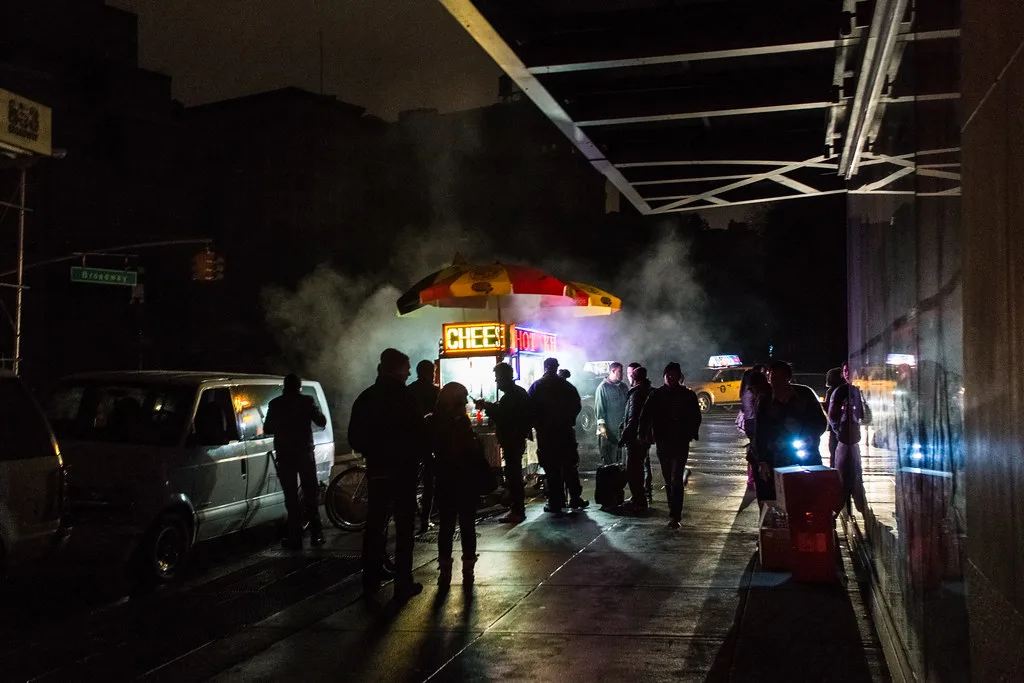
A catastrophic failure of the electrical grid has left millions across eastern Cuba without power, as state-run utility provider Electric Union (UNE) announced a total collapse affecting provinces from Guantánamo to Ciego de Ávila. The blackout, which began following a system-wide instability, has paralyzed essential services and plunged vast swaths of the island into darkness, with officials providing no immediate timeline for restoration.
A Fragile Infrastructure Under Strain
Cuba’s energy sector has been teetering on the edge of collapse for years due to a combination of aging infrastructure, chronic fuel shortages, and a lack of foreign currency for critical maintenance. The national grid relies heavily on a fleet of decrepit thermal power plants, many of which have been operational for over four decades, far exceeding their intended lifespan.
Economic sanctions and the global rise in fuel costs have severely hampered the government’s ability to import the oil required to keep these plants running. Recent data from the Ministry of Energy and Mines indicates that average daily power generation has frequently fallen 25% below demand, leading to the rolling blackouts that have become a daily reality for the Cuban population.
The Human and Economic Toll
The sudden loss of electricity has immediate and dire implications for the region’s stability. In eastern provinces, where local economies are already fragile, the loss of power disrupts refrigeration, water pumping systems, and telecommunications, effectively isolating residents from essential resources.
Economists tracking the region suggest that the prolonged outages threaten to exacerbate the ongoing migration crisis. “When basic services fail consistently, the social contract breaks down,” says Dr. Elena Rodriguez, an energy policy analyst. “The inability to sustain light and refrigeration in tropical climates turns a technical failure into a humanitarian challenge.”
Systemic Vulnerabilities and Future Risks
The scale of this blackout highlights the fragility of the National Electro-energetic System (SEN). Unlike more robust grids that utilize diverse energy sources, Cuba remains heavily dependent on a centralized and outdated generation model. While the government has pledged to transition toward renewable energy, progress has been sluggish, with solar and wind projects currently accounting for less than 5% of the total energy mix.
Industry experts warn that without significant structural investment, these incidents will likely become more frequent and severe. The reliance on aging units means that even minor technical faults can trigger cascading failures across the entire transmission network, as seen in the current event.
What to Watch Next
Observers are now closely monitoring the speed of the government’s recovery efforts and the potential for civil unrest in the affected provinces. The primary indicator of future stability will be the government’s success in securing emergency fuel shipments to restart the eastern generation hubs. Furthermore, the international community will be watching to see if this crisis prompts any shift in energy policy, specifically regarding foreign investment in grid modernization and decentralized renewable energy infrastructure.