






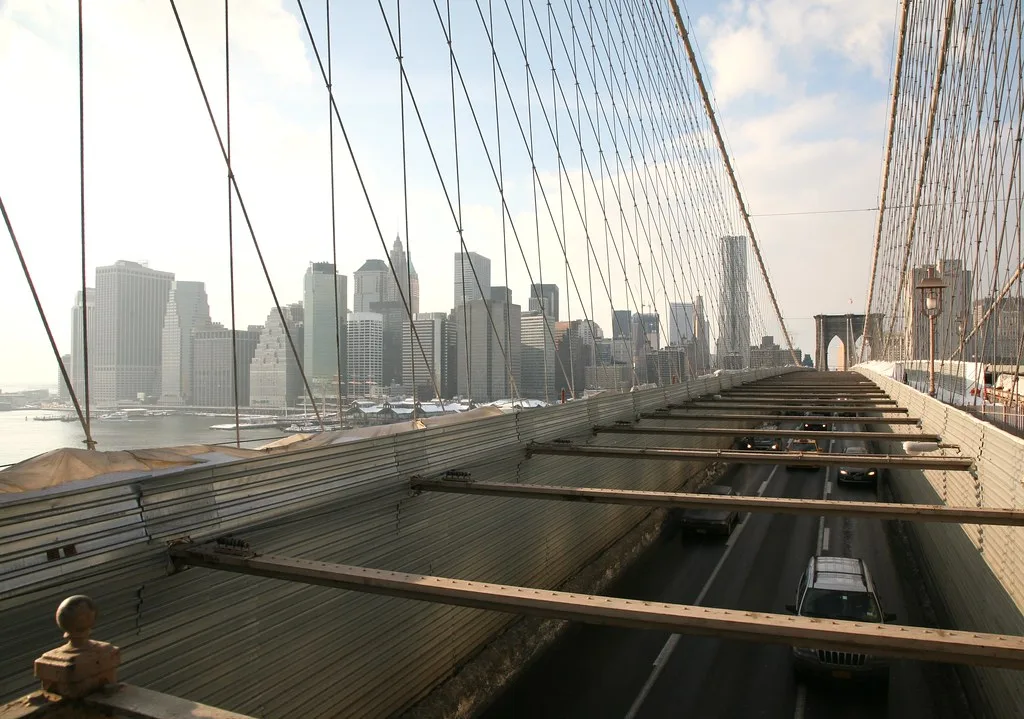
New York City is currently undergoing a widespread transformation of its most historic landmarks, as developers and municipal planners work to revitalize sites ranging from Grand Central Terminal to the Hotel Chelsea. Throughout 2024, these legendary locations are integrating modern retail, high-end hospitality, and public programming to remain relevant in a post-pandemic urban landscape. This shift reflects a broader strategy to maintain the city’s global appeal while addressing the evolving demands of both residents and tourists.
Preserving History Through Adaptive Reuse
The trend of adaptive reuse has become the cornerstone of New York’s urban planning strategy. By repurposing existing structures rather than demolishing them, the city preserves its architectural heritage while injecting new economic vitality into aging districts.
The Hotel Chelsea, a storied bohemian enclave, recently completed a multi-year renovation that meticulously restored its Victorian-Gothic aesthetic while upgrading its internal infrastructure to meet contemporary luxury standards. Similarly, the ongoing development around Grand Central Terminal, specifically the completion of One Vanderbilt, has shifted the focus toward creating a seamless connection between historic transit hubs and modern commercial spaces.
Economic Drivers and Urban Revitalization
Data from the New York City Economic Development Corporation suggests that these revitalization projects are essential for sustaining tourism, which contributed over $74 billion to the city’s economy in recent years. By diversifying the utility of iconic spaces, the city reduces its reliance on traditional foot traffic patterns.
The Fulton Fish Market district, once a gritty center of maritime trade, now serves as a prime example of this transition. The area has successfully integrated high-end dining, residential development, and public waterfront access, drawing a younger demographic that prioritizes experiential travel over traditional sightseeing.
Industry Perspectives on Urban Evolution
Urban planners argue that these changes are not merely cosmetic but functional necessities. “The goal is to move beyond the static monument,” says architectural historian Marcus Thorne. “A landmark that doesn’t evolve risks becoming a museum piece, which eventually loses its ability to engage with the city’s living culture.”
Critics, however, raise concerns regarding gentrification. As historic sites are upgraded, the increased cost of entry can alienate the local communities that once defined the character of these neighborhoods. Balancing the preservation of cultural authenticity with the requirement for modern commercial viability remains a significant challenge for developers.
The Future of New York’s Landscape
Looking ahead, the focus will likely shift toward sustainability and climate-resilience upgrades for these aging structures. As New York City faces stricter environmental regulations, the next phase of landmark renovation will involve retrofitting historic facades with energy-efficient glass and green roof technology.
Observers should watch for upcoming developments in the Meatpacking District and Lower Manhattan, where several historic warehouses are slated for conversion into multi-use green spaces. The long-term success of these projects will serve as a blueprint for other global cities aiming to reconcile their past with the demands of an increasingly digital and eco-conscious future.


