






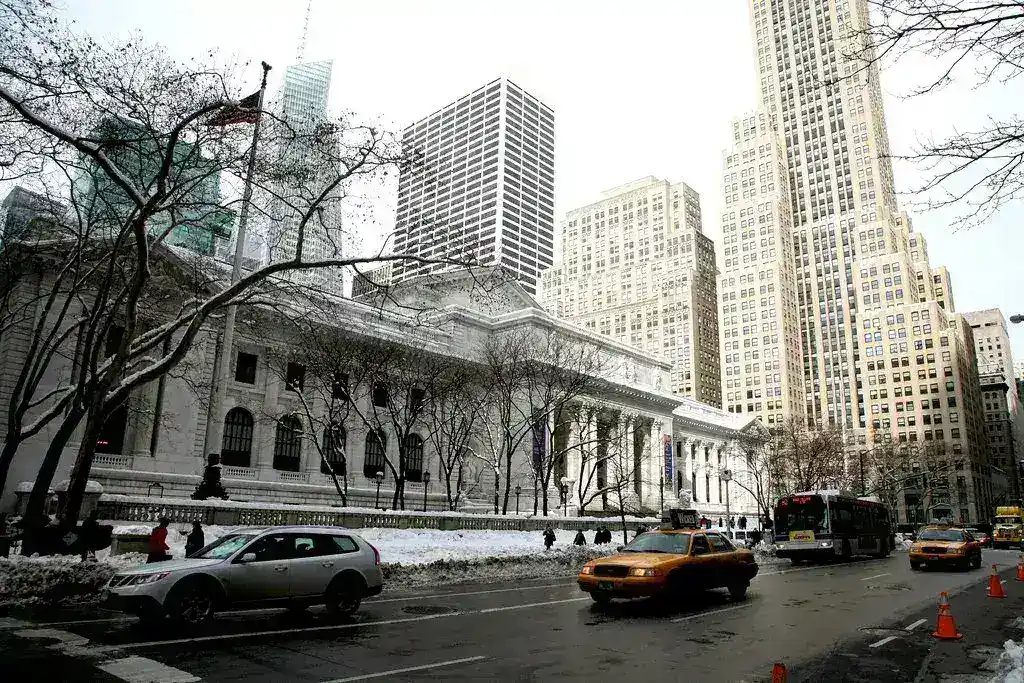
New York City officials and private developers are currently spearheading a massive wave of adaptive reuse and revitalization projects across the city, aiming to modernize historic landmarks like Grand Central Terminal, the Hotel Chelsea, and the historic Fulton Fish Market. These efforts, which have accelerated throughout 2023 and early 2024, seek to balance the preservation of architectural heritage with the functional demands of a post-pandemic urban economy.
The Shift Toward Adaptive Reuse
For decades, New York City has grappled with the tension between protecting its architectural past and accommodating modern growth. The current trend marks a pivot toward ‘adaptive reuse,’ where historic structures are repurposed for contemporary commercial, residential, or cultural needs rather than being demolished.
The Hotel Chelsea, a perennial symbol of bohemian culture, recently underwent a multi-year renovation to restore its ornate facade while upgrading its interior infrastructure. This project serves as a blueprint for how historic hospitality venues can remain competitive in a luxury-focused market without losing their original character.
Modernizing Transit and Commerce
Grand Central Terminal continues to evolve beyond its role as a transit hub, with recent expansions incorporating high-end retail and dining experiences designed to capture the attention of both commuters and tourists. The goal is to transform these high-traffic locations into ‘destination hubs’ where visitors spend more time than the average transit duration.
Similarly, the redevelopment of the Fulton Fish Market area into the Seaport district reflects a broader push to integrate waterfront access with modern retail. By focusing on pedestrian-friendly zones, developers are attempting to lure locals back to areas that were previously dominated by logistics and industrial activity.
Economic and Cultural Impact
According to data from the New York City Economic Development Corporation (NYCEDC), adaptive reuse projects have contributed significantly to the city’s post-pandemic recovery by attracting private investment into historic districts. These projects often receive tax incentives under the city’s Landmark Preservation Commission guidelines, provided they adhere to strict restoration standards.
Urban planning experts argue that these renovations are essential for the city’s long-term sustainability. By modernizing existing structures, the city avoids the high carbon cost of new construction while maintaining the unique aesthetic identity that draws millions of tourists annually.
Future Implications for Urban Development
As the city looks toward the next decade, the focus will likely shift from purely aesthetic restoration to energy efficiency and climate resilience. Landmark buildings are increasingly being retrofitted with sustainable heating and cooling systems to meet stringent Local Law 97 carbon emission standards.
Observers should watch for how upcoming projects, such as the further integration of the East River waterfront, leverage green infrastructure to protect against rising sea levels. The success of these current revitalization efforts will determine whether New York can successfully reconcile its deep-rooted history with the urgent environmental and economic needs of the 21st century.


