




As 2025 draws to a close, a comprehensive review of lifestyle trends reveals a fundamental shift in how global consumers approach food, fashion, home design, and personal wellness. From major urban centers to digital communities, the year marked a departure from the hyper-consumerism of the early 2020s, favoring intentionality, sustainability, and the integration of technology into daily domestic rituals.
The Evolution of Domestic Spaces
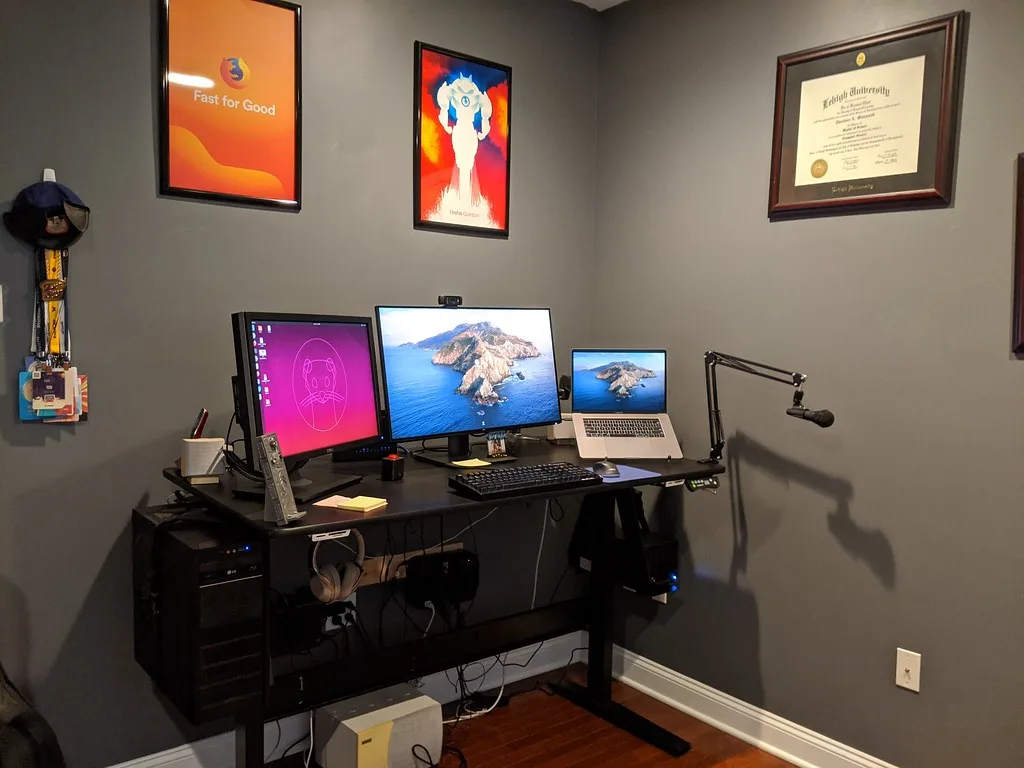
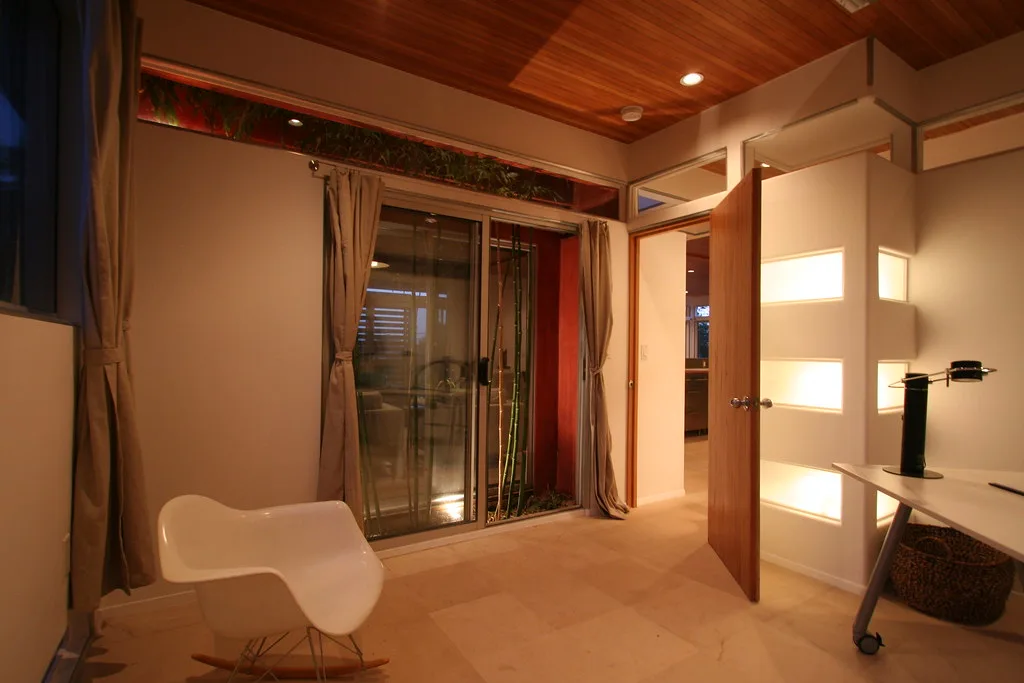
The concept of the “home” underwent a radical transformation in 2025 as architects and interior designers prioritized modularity and biophilic integration. Following several years of remote work dominance, homeowners increasingly sought spaces that blur the lines between professional utility and tranquil sanctuary.
Data from global design firms indicate a 30% increase in demand for multi-functional living areas. This trend reflects a broader societal move toward “quiet luxury,” where quality craftsmanship and sustainable materials replace fast-furniture trends.
Fashion and Food: The Sustainability Mandate
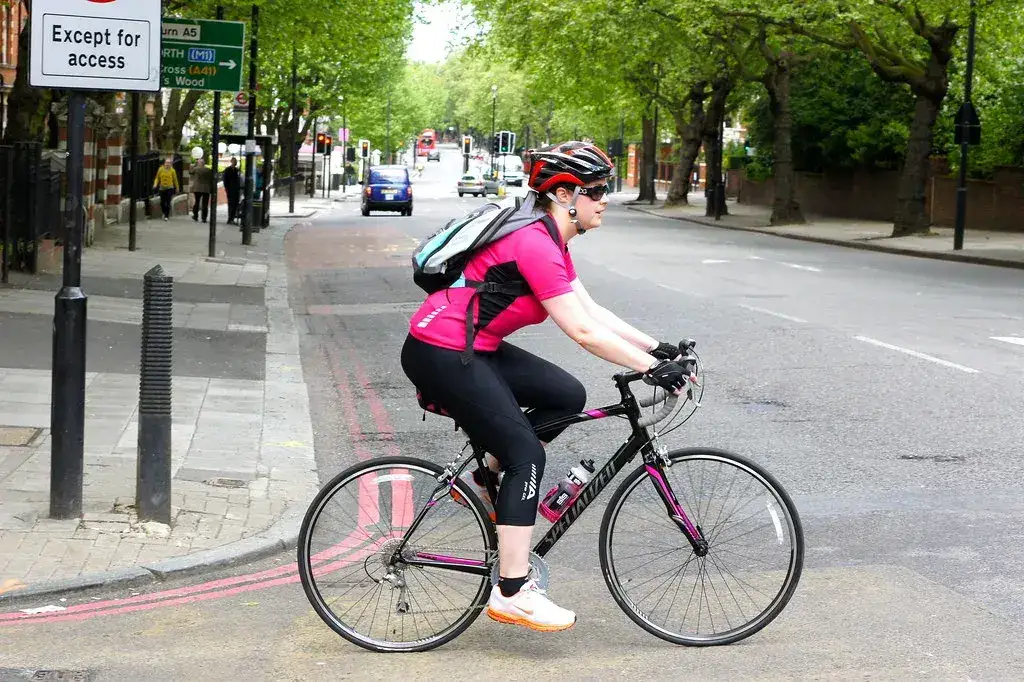
In the world of fashion, 2025 became the year of the circular economy. Consumers shifted their spending toward brands that provide transparent supply chains and repair services, effectively rejecting the transient nature of ultra-fast fashion.
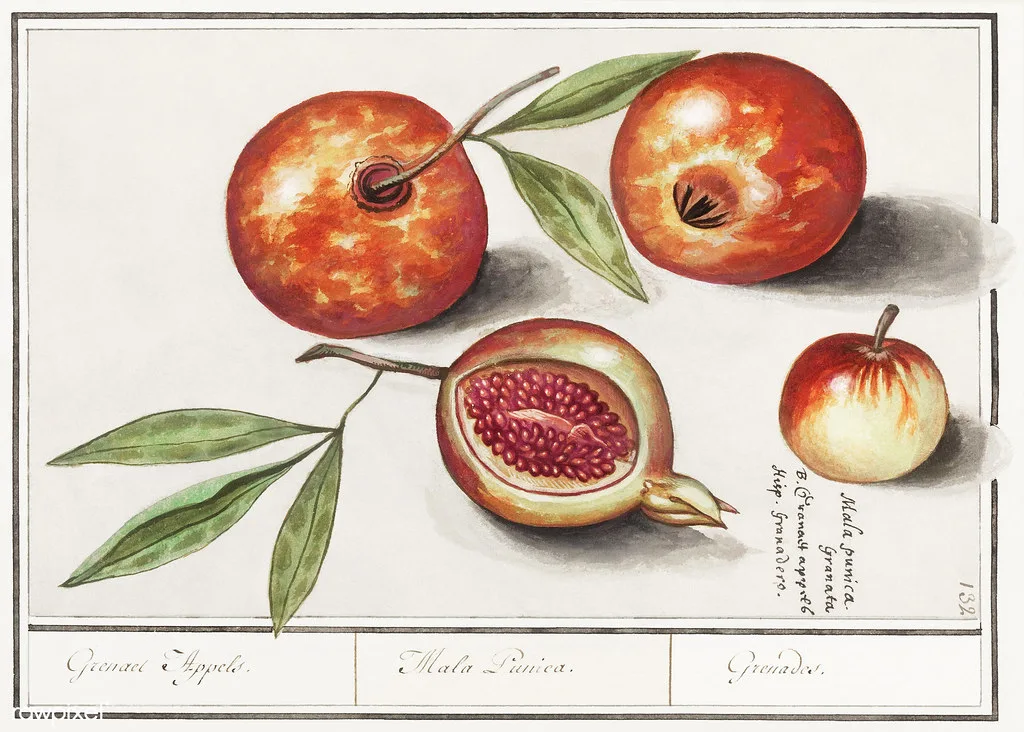
Simultaneously, the culinary landscape embraced “hyper-local” sourcing. According to food industry analysts, the farm-to-table movement evolved into a hyper-local standard, with urban rooftop gardens and lab-grown protein alternatives becoming staples in metropolitan diets. This transition was driven by rising environmental concerns and a desire for ingredient traceability.
Wellness and Digital Integration
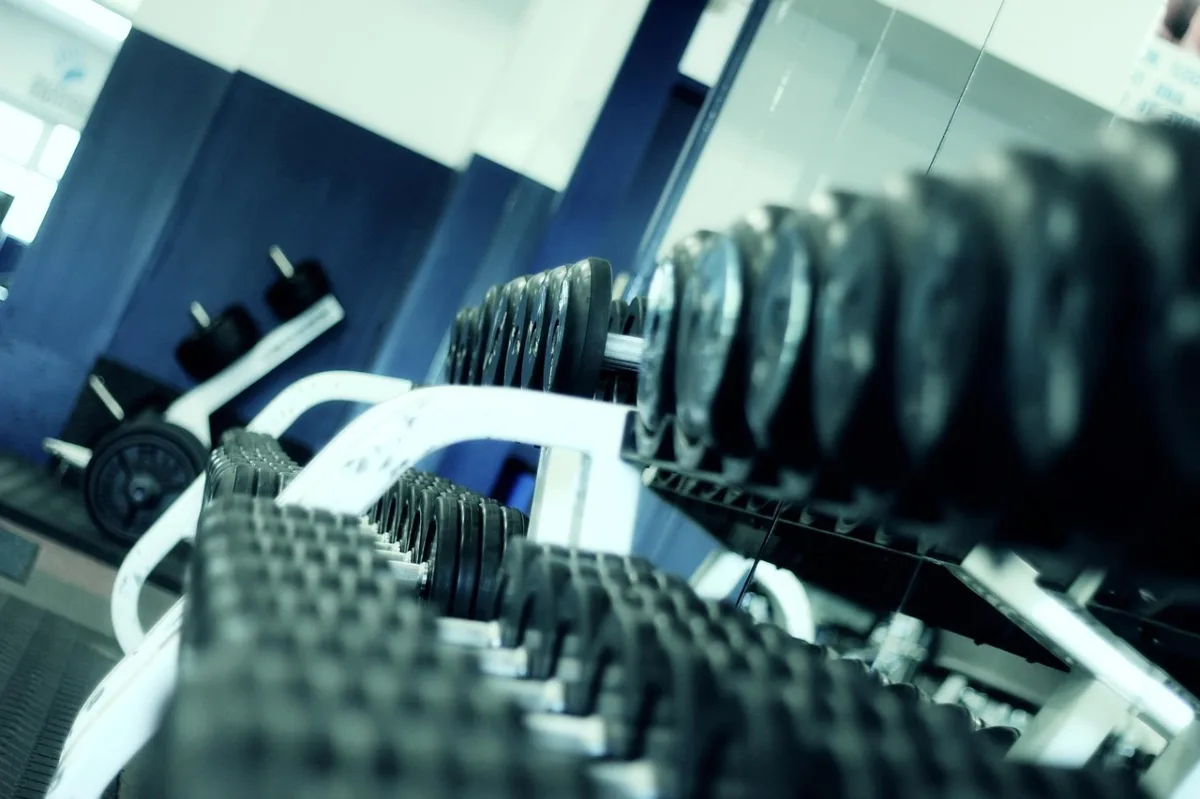
Fitness trends in 2025 moved away from high-intensity, data-obsessed regimes toward holistic longevity. Wearable technology shifted its focus from simple step counting to monitoring recovery markers, sleep quality, and metabolic health.
Experts note that this trend is not merely about physical fitness but about cognitive longevity. The integration of artificial intelligence in personal wellness apps has allowed for highly personalized health protocols, making professional-grade biohacking accessible to the average consumer.
The Future of Consumption
Looking ahead, the markers set in 2025 suggest that the next few years will focus on the “de-digitalization” of physical experiences. While technology remains the backbone of modern convenience, there is a mounting preference for offline community building and tangible craftsmanship.
Observers should watch for the continued rise of “third spaces”—locations outside of home and work that foster face-to-face social interaction. As industries continue to adapt to these shifting values, the focus will likely remain on durability, mental health, and the harmonious integration of natural elements into increasingly automated environments.