



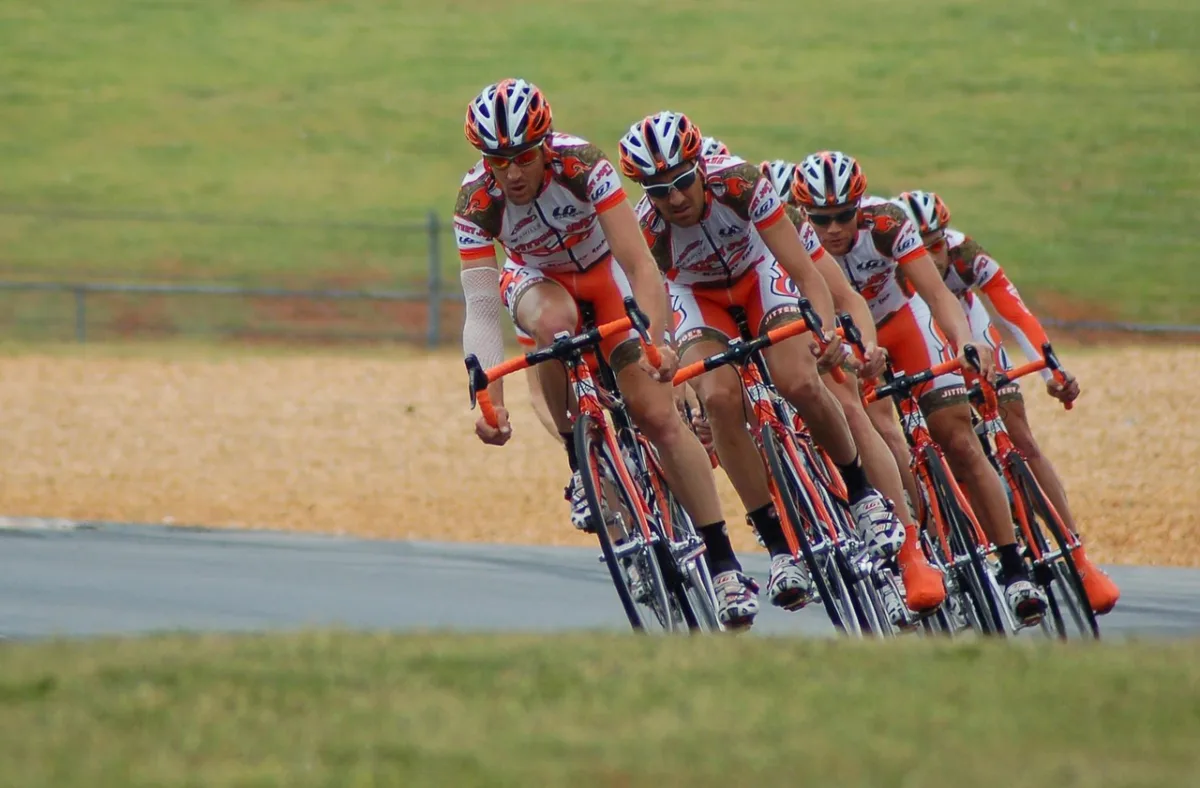
Four teenage cyclists from Tamil Nadu are currently commanding national attention as they compete at the prestigious Track Asia Cup, representing a new wave of talent emerging from India’s regional sporting circuits. While their peers navigate the typical pressures of secondary education, these young athletes are balancing rigorous academic schedules with high-intensity velodrome training. The competition, which serves as a critical milestone for cyclists aiming for international podiums, highlights the grueling discipline required to excel in a sport that rarely captures mainstream headlines in India.
The Evolution of Indian Cycling
Cycling in India has historically struggled to gain the infrastructure and institutional support afforded to more popular sports like cricket or badminton. However, the landscape is shifting as the Cycling Federation of India (CFI) increases investment in velodromes and specialized coaching programs. Tamil Nadu has emerged as a surprising hub for this development, leveraging local talent pools and grassroots training camps to prepare athletes for continental standards.
Behind the Scenes of Elite Training
For these four athletes, the road to the Track Asia Cup is paved with early morning starts and strict nutritional regimens. Training sessions often begin before sunrise, allowing the cyclists to complete their laps on the track before heading to their respective schools. This dual existence requires a level of time management and physical resilience that remains invisible to the casual observer.
Dr. Anjali Rao, a sports physiologist monitoring regional youth development, notes that the physiological demands of track cycling are unique. “These athletes must possess explosive power for sprints and cardiovascular endurance for longer races, all while maintaining perfect aerodynamic positioning,” Rao explains. She adds that the mental toll of managing academic deadlines alongside competitive pressure is the primary factor that determines long-term success in the sport.
Institutional Challenges and Growth
Despite the excitement surrounding the Track Asia Cup, the sport faces significant hurdles. Access to high-end carbon-fiber bicycles and aerodynamic gear remains expensive, often placing the burden of costs on families or regional sports bodies. Many of these young cyclists rely on government-backed talent identification programs to bridge the financial gap, but the need for more private-sector sponsorship is becoming increasingly urgent.
According to recent data from the Ministry of Youth Affairs and Sports, participation in track cycling events has grown by 15% annually over the past three years. This surge in interest is largely attributed to the success of Indian cyclists in international youth championships, which has provided a roadmap for younger generations to follow. The success of the Tamil Nadu contingent at the current cup is expected to further incentivize state-level funding for velodrome maintenance and coaching staff.
Looking Ahead
The performance of these teenagers at the Track Asia Cup will serve as a bellwether for the future of Indian cycling on the global stage. Industry analysts are now watching for how these athletes transition from junior to senior categories, a phase where many promising careers often stall due to a lack of elite-level career pathways. The coming months will be critical, as scouting for the next Asian Games and Olympic cycles begins in earnest. Observers should monitor whether these regional success stories can secure the long-term corporate sponsorships necessary to compete against the well-funded national teams of Japan, South Korea, and China.