




The Current Diplomatic Standstill
As tensions across the Middle East reach a critical inflection point, U.S. President Donald Trump has explicitly instructed American negotiators not to rush into a formal agreement with Iran. This directive, issued amid ongoing regional volatility, signals a cautious approach to de-escalation as global markets monitor the potential for an expanded conflict between Israel and Iran.
Contextualizing the Conflict
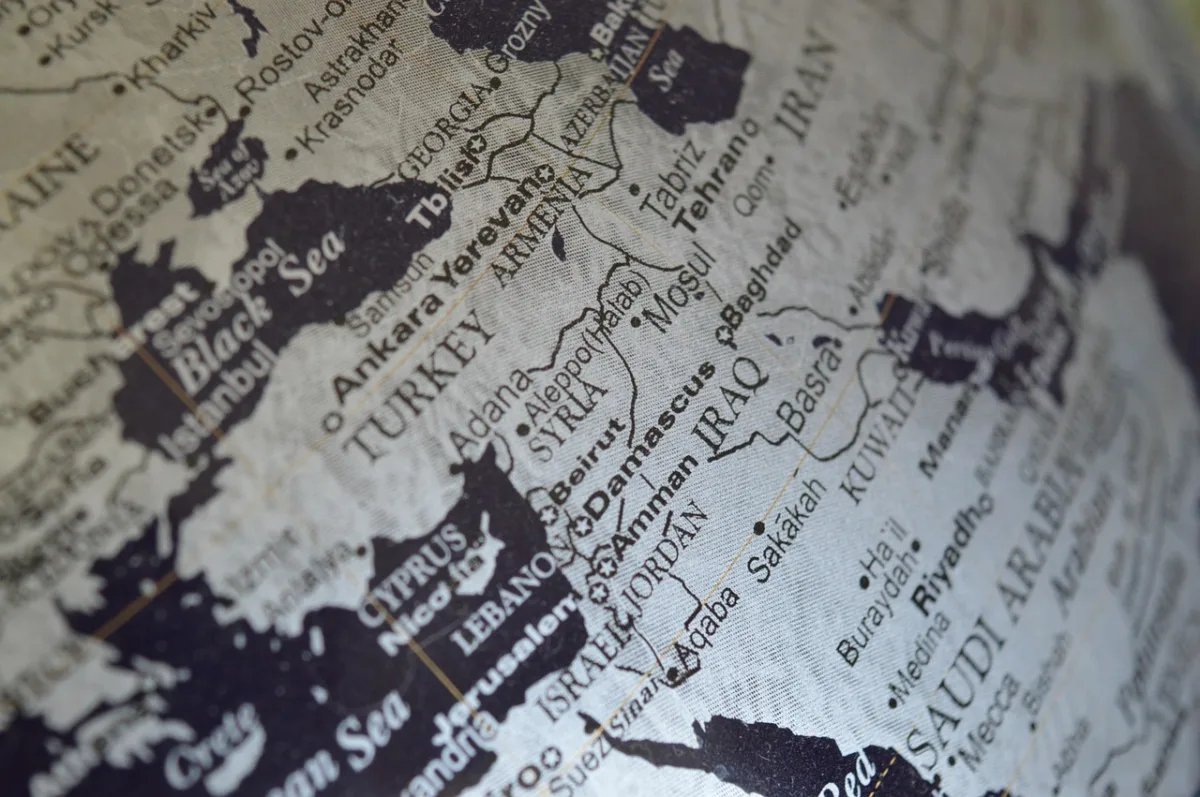
The geopolitical friction between Israel and Iran has intensified significantly in recent weeks, marked by direct military posturing and threats to regional stability. Iran has recently doubled down on its claims regarding control over the Strait of Hormuz, a vital maritime chokepoint for global oil transit, citing a ‘legal right’ to protect its national security interests.
These developments occur against a backdrop of long-standing hostility, now exacerbated by shifting alliances and fluctuating U.S. foreign policy priorities. International observers remain concerned that any miscalculation in the Persian Gulf could trigger a broader confrontation, dragging external powers deeper into a protracted regional war.
Navigating the Negotiation Strategy
President Trump’s recent public comments suggest that while the administration remains open to diplomatic engagement, the terms of any potential deal are far from finalized. By stating that a deal is ‘not fully negotiated,’ the White House is attempting to manage expectations while maintaining leverage over Tehran.
Analysts note that this ‘don’t rush’ strategy serves as a double-edged sword. On one hand, it prevents the U.S. from being cornered into unfavorable concessions under the pressure of an immediate crisis. Conversely, the lack of a firm timeline leaves a vacuum that regional actors may fill with aggressive military maneuvers.
Expert Perspectives and Data Points
Defense analysts emphasize that the Strait of Hormuz remains the most significant variable in the current standoff. According to the U.S. Energy Information Administration, approximately 21 million barrels of oil per day pass through the strait, representing roughly 20% of global petroleum consumption. Any interruption to this flow could lead to immediate, sharp spikes in global energy prices.
International relations experts argue that Iran’s assertive rhetoric is designed to project strength to domestic audiences and regional proxies. However, the move also invites increased scrutiny from the United Nations Security Council, which has historically prioritized the freedom of navigation in international waters.
Future Implications and Regional Stability
The immediate outlook hinges on whether the current diplomatic pause will lead to a cooling-off period or provide cover for further escalation. If the U.S. continues to withhold a concrete framework for peace, the risk of a miscalculated encounter between naval forces in the Gulf increases significantly.
Market participants should monitor the next round of high-level diplomatic briefings for any signs of a breakthrough or a total breakdown in communication. Observers are also watching for potential back-channel negotiations that could circumvent the public stalemate, as the international community remains wary of the economic consequences of a full-scale regional conflict.