


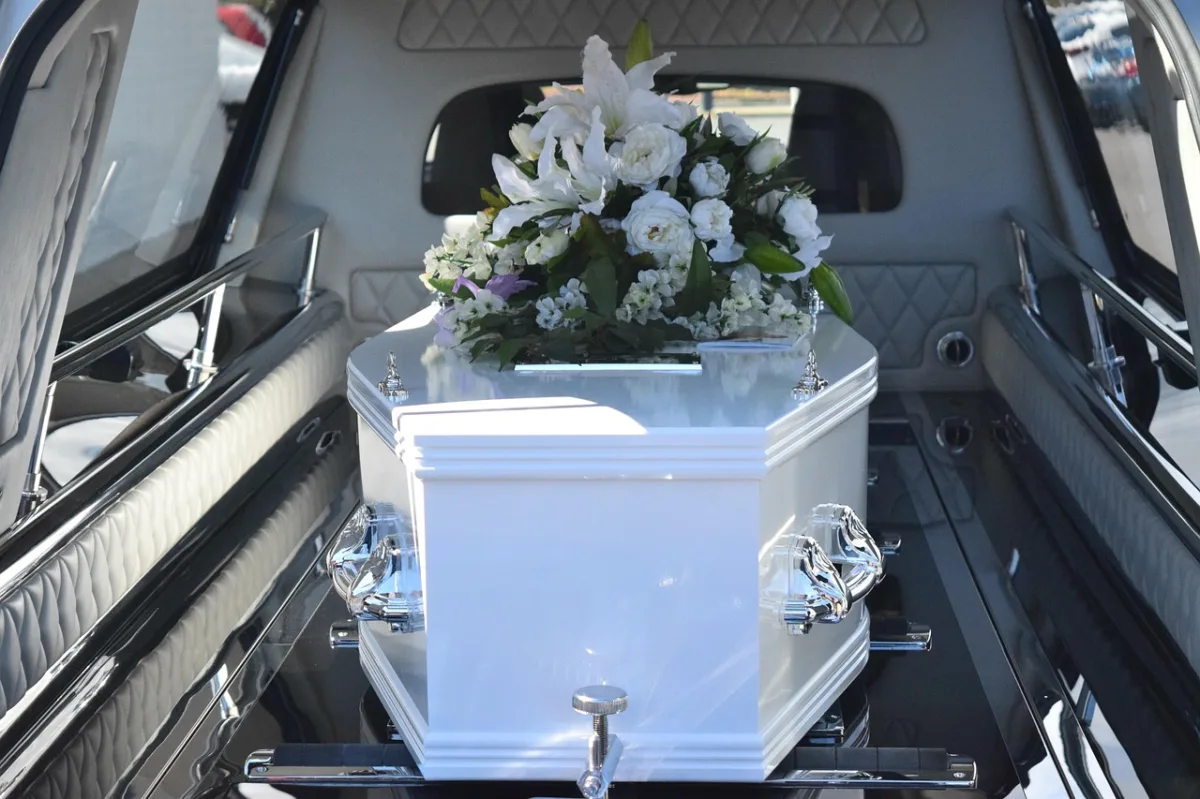
Bhopal, India – May 24, 2024 – Twisha Sharma was cremated in Bhopal today, 12 days after her death, following a second post-mortem examination conducted by a medical team from AIIMS Delhi. The cremation occurred amidst an ongoing dowry harassment investigation, bringing renewed attention to the circumstances surrounding her demise.
Background of the Case
Twisha Sharma’s death initially sparked concern, but the situation escalated when her family alleged dowry harassment. This led to demands for a thorough investigation into the cause of death, prompting the necessity of a second autopsy to gather more conclusive evidence.
The first autopsy was conducted shortly after her death. However, discrepancies or a lack of clarity in the initial findings likely prompted the family and authorities to seek a second, more comprehensive examination. The AIIMS Delhi team’s involvement underscores the gravity and complexity of the case.
Second Autopsy and Cremation
The second autopsy was performed by experts from the All India Institute of Medical Sciences (AIIMS), Delhi. This procedure is crucial in forensic investigations, especially when allegations of foul play or medical complexities are involved. The findings from this second examination are expected to provide critical insights that could shape the ongoing dowry harassment probe.
Following the completion of the second autopsy, Twisha Sharma’s body was brought to Bhopal for the final rites. The cremation took place on May 24, marking an emotional closure for the family, albeit under the shadow of a deepening investigation.
Legal and Investigative Developments
The Supreme Court of India has also taken cognizance of the case, with a hearing scheduled to address the sensitive matter. The involvement of the apex court highlights the national significance of the investigation and the potential implications for dowry-related laws and their enforcement.
Dowry harassment is a serious offense in India, criminalized under specific laws. These laws aim to protect individuals, primarily women, from demands for dowry, which can include cash, gifts, or property, made by the groom’s family before or after marriage.
Investigators are likely examining all aspects, including medical reports, witness testimonies, and the history of the marital relationship, to establish whether dowry harassment contributed to Twisha Sharma’s death. The results of the second autopsy will be a key piece of evidence in this process.
Implications and Future Watch
The case of Twisha Sharma brings into sharp focus the persistent issue of dowry-related violence and harassment in India. The extensive investigation, including a second autopsy and Supreme Court intervention, signals a potential tightening of scrutiny on such cases.
For families and individuals facing similar situations, this case underscores the importance of seeking justice through legal channels and the potential for thorough investigations to uncover the truth. The outcome of the probe could influence how dowry harassment cases are handled by law enforcement and the judiciary moving forward.
Attention will now turn to the findings of the second autopsy and the subsequent legal proceedings. The Supreme Court’s involvement suggests a commitment to ensuring a fair and thorough investigation, potentially setting precedents for future cases of alleged dowry harassment leading to death.