



President Trump indicated on Tuesday that negotiations aimed at de-escalating tensions and potentially opening the Strait of Hormuz are progressing positively, though conflicting signals from Iran cast doubt on the immediacy of any breakthrough. The focus remains on securing safe passage through the vital waterway, a critical chokepoint for global oil supply.
Background of Escalating Tensions
The Strait of Hormuz, a narrow waterway connecting the Persian Gulf to the open ocean, has been a focal point of geopolitical friction for decades. In recent years, tensions between the United States and Iran have intensified, marked by incidents involving shipping, drone activity, and rhetoric from both sides.
These tensions have significant implications for international trade, particularly for oil-producing nations in the Middle East. Any disruption to shipping through the Strait could lead to volatile price spikes in global energy markets. The Trump administration has prioritized ensuring freedom of navigation in this strategic passage.
Conflicting Messages Emerge
President Trump expressed optimism regarding the ongoing discussions, suggesting that diplomatic efforts are yielding favorable results. This positive outlook, however, contrasts sharply with statements emanating from Iran. Iranian officials have presented a different narrative, indicating a more complex and less immediate path toward resolution.
This divergence in messaging highlights the intricate nature of the diplomatic landscape. Experts suggest that such disparities often reflect internal political considerations within each nation, as well as strategic posturing on the international stage. The perceived proximity to a deal, therefore, remains a subject of considerable debate.
The Strategic Importance of Hormuz
The Strait of Hormuz is one of the world’s most crucial maritime chokepoints. Approximately 30% of the world’s seaborne oil trade passes through this narrow channel daily, according to the U.S. Energy Information Administration (EIA). Its strategic significance cannot be overstated.
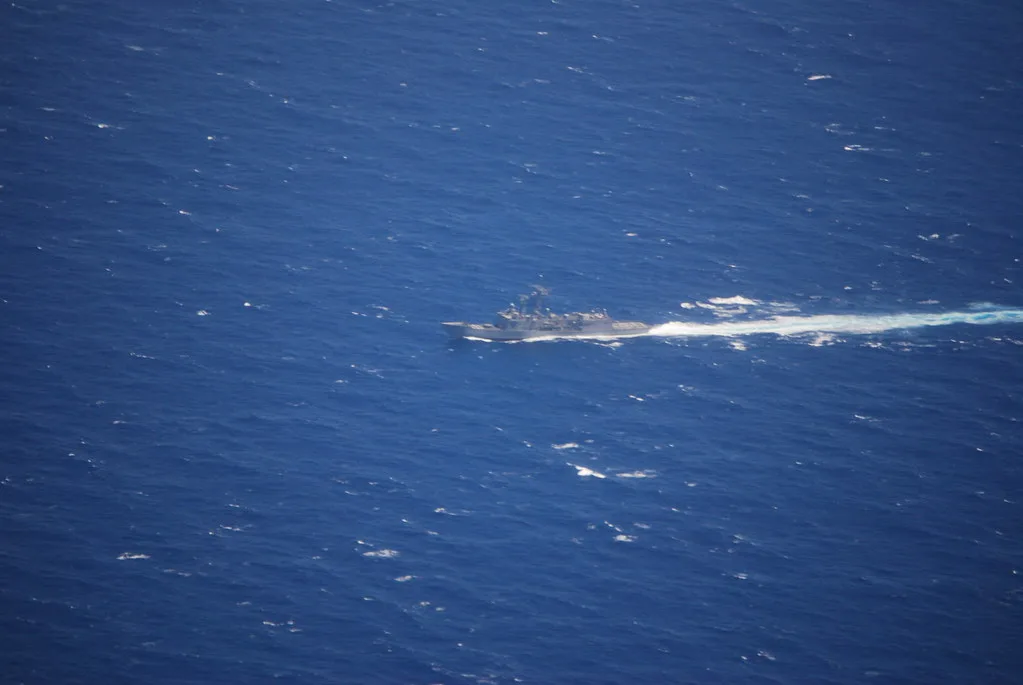
The U.S. Navy and its allies conduct regular patrols to ensure the free flow of commerce through the Strait. Any threat to this passage, whether by military action or environmental hazard, has immediate and far-reaching economic consequences globally. The current diplomatic push is largely centered on mitigating these risks.
Expert Analysis and Data
Dr. Evelyn Reed, a Middle East policy analyst at the Global Security Institute, noted that “the communication gap between Washington and Tehran is not unusual in high-stakes diplomacy. Both sides are likely managing domestic audiences while negotiating sensitive issues.” She added that “tangible progress would require clear actions, not just statements, to build trust.”
Data from the EIA consistently shows the Strait’s critical role in oil transit. In 2018, for instance, an estimated 21 million barrels of oil per day flowed through Hormuz. Fluctuations in this flow directly impact crude oil prices, influencing economies worldwide.
Implications for Global Markets and Policy
The success or failure of these diplomatic efforts carries significant weight for global energy security. A de-escalation could lead to greater stability in oil prices and reduced shipping insurance premiums. Conversely, continued or escalating tensions could trigger supply disruptions and economic uncertainty.
For industries reliant on oil, from transportation to manufacturing, the situation in the Persian Gulf remains a key indicator of future costs and operational stability. Policymakers in Washington and across allied nations will be closely monitoring developments for signs of a lasting resolution or a potential resurgence of conflict.
What to Watch Next
The coming weeks will be critical in discerning the true state of negotiations. Observers will be looking for concrete steps taken by Iran to ensure safe passage and for further assurances from the U.S. regarding its objectives. Any shift in naval posture or economic sanctions related to the Strait will provide further clues about the trajectory of these delicate discussions.