



Diplomatic Hurdles in the Middle East
Secretary of State Marco Rubio announced this week that the United States remains prepared to initiate negotiations regarding Iran’s nuclear program, provided Tehran agrees to reopen the Strait of Hormuz. This potential diplomatic pivot emerges as part of a broader, developing framework aimed at de-escalating regional conflicts tied to the ongoing war in the Middle East.
The administration’s stance signals a conditional willingness to engage in high-level talks, contingent upon Iran ensuring the free flow of international commerce through the critical maritime chokepoint. While the framework for these discussions remains largely unformed, the Secretary emphasized that the specific parameters of Iran’s nuclear limitations are still subject to extensive future negotiation.
The Strategic Significance of the Strait
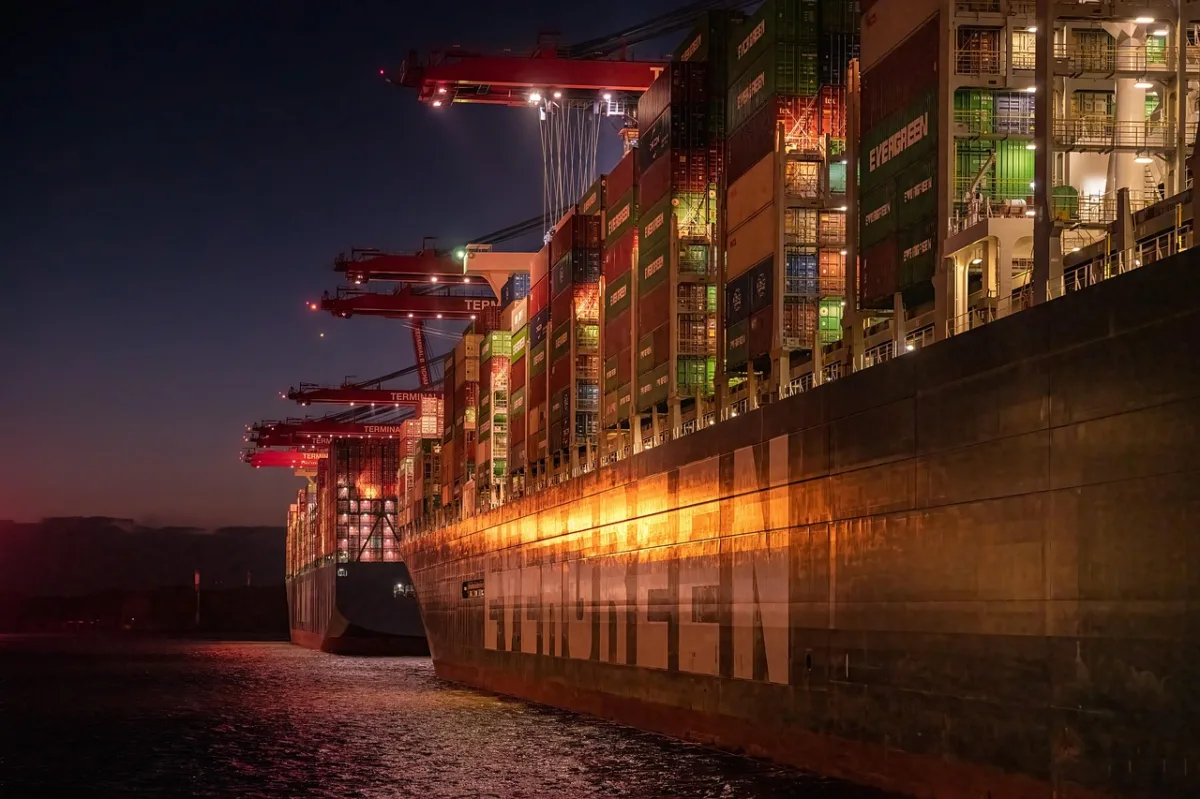
The Strait of Hormuz serves as the world’s most vital oil transit chokepoint, with roughly 20% of global petroleum consumption passing through its narrow waters daily. Recent Iranian maneuvers near the strait have heightened fears of a supply shock, causing significant volatility in global energy markets.
For decades, the United States has maintained a heavy naval presence in the region to safeguard these shipping lanes. By linking the reopening of the strait to nuclear diplomacy, the administration is attempting to leverage economic stability to address long-standing security concerns regarding Iran’s nuclear proliferation.
Navigating a Complex Geopolitical Landscape
Analysts suggest that this dual-track approach reflects a shift in U.S. foreign policy toward pragmatic regional containment. By prioritizing the immediate restoration of maritime trade, the State Department hopes to build enough diplomatic momentum to address the more intractable issue of nuclear enrichment.
Critics of the potential deal argue that decoupling maritime security from nuclear disarmament could create a dangerous loophole. However, proponents point to the success of similar confidence-building measures in previous eras, where incremental progress on trade helped thaw relations between adversarial nations.
Expert Projections and Economic Impact
Energy analysts from the International Energy Agency (IEA) suggest that even a temporary closure of the strait could trigger a global price spike, potentially fueling inflation in Western economies. Consequently, the administration’s focus on the strait is viewed as a defensive measure to protect domestic economic interests while simultaneously pressuring Tehran.
Data from the U.S. Energy Information Administration (EIA) underscores the vulnerability of the current supply chain. With limited alternative pipelines available, the dependency on the Strait of Hormuz remains a critical vulnerability for global energy security.
The Road Ahead
Moving forward, international observers will be watching for signs of movement from Tehran regarding the maritime blockade. If Iran complies with the opening of the strait, the focus will quickly shift to the technical verification of nuclear facilities, a process that historically faces significant bureaucratic and political friction.
The success of these talks may hinge on the ability of third-party intermediaries to facilitate communication between Washington and Tehran. Whether these negotiations lead to a comprehensive agreement or remain a series of stalled discussions will likely define the security landscape in the Middle East for the remainder of the year.