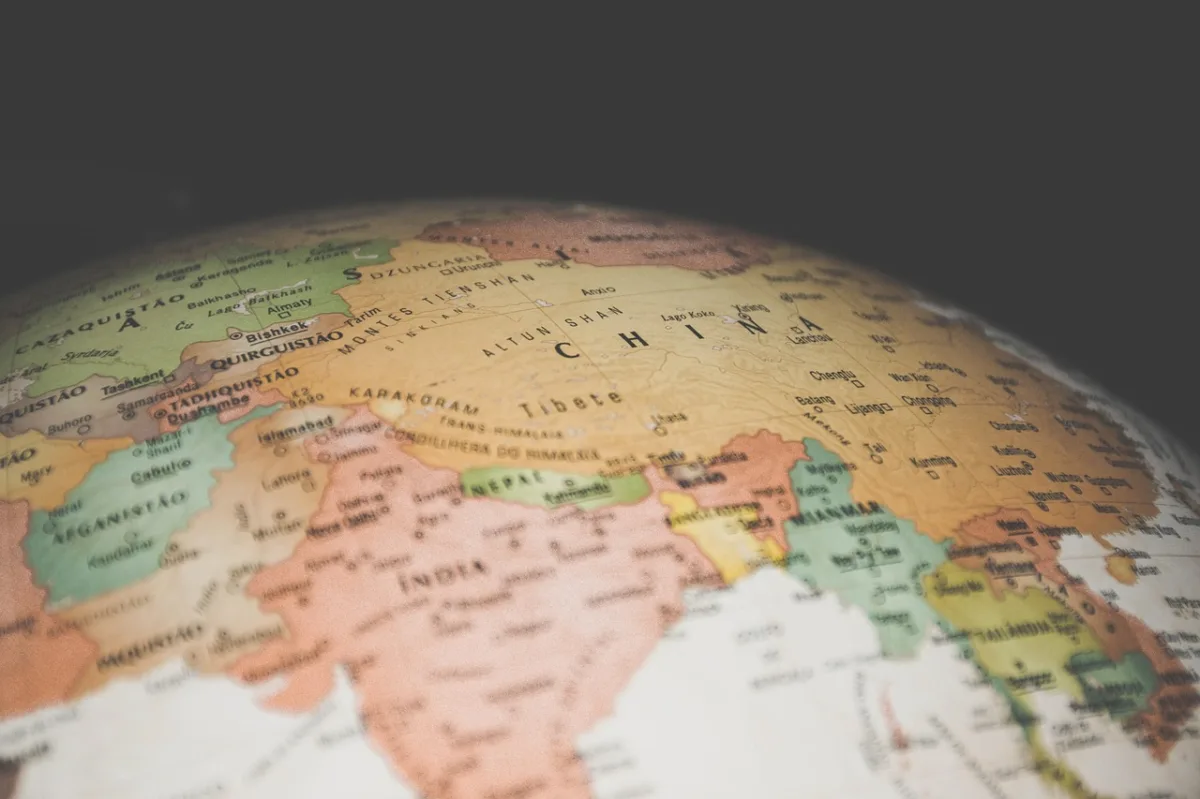





ISLAMABAD — Pakistan has officially rejected renewed pressure from U.S. President-elect Donald Trump to join the Abraham Accords and normalize relations with Israel, drawing a firm diplomatic line despite escalating geopolitical pressure. The refusal, articulated by Pakistani policymakers following Trump’s recent diplomatic overtures, comes as the incoming U.S. administration seeks a sweeping Middle East reset that links future security agreements and an Iran peace deal to the expansion of Arab-Israeli normalization.
The Legacy of the Abraham Accords
The Abraham Accords, originally brokered by the first Trump administration in 2020, marked a historic shift in Middle Eastern diplomacy by normalizing relations between Israel and several Arab nations, including the United Arab Emirates, Bahrain, Morocco, and Sudan. For decades, the consensus among majority-Muslim nations held that diplomatic recognition of Israel was contingent upon the establishment of an independent Palestinian state based on pre-1967 borders.
Pakistan, a nuclear-armed nation with the world’s second-largest Muslim population, has historically maintained a strict non-recognition policy toward Israel. Islamabad’s foreign policy has long been anchored in solidarity with the Palestinian cause, making any deviation highly sensitive both politically and socially. Despite periodic rumors of backchannel diplomacy, Pakistani leadership has consistently reiterated that normalization is off the table without a viable two-state solution.
Trump’s Strategy: Tying Iran to Regional Peace
According to recent reports from Reuters and Axios, Donald Trump has intensified his efforts to expand the accords, pitching them to Muslim leaders as a framework for regional stability once current conflicts subside. Trump has reportedly linked any future U.S. diplomatic deal with Iran to the broader acceptance of the Abraham Accords, urging regional powers to commit to peace pacts with Israel.
This strategy aims to isolate Tehran while consolidating a U.S.-backed security architecture across the Middle East and South Asia. By presenting the accords as a prerequisite for post-war reconstruction and security guarantees, the incoming U.S. administration is testing the resolve of non-signatory nations. For Pakistan, which shares a volatile 900-kilometer border with Iran, participating in such an alliance presents severe national security risks.
Islamabad’s Diplomatic and Economic Dilemma
Pakistan’s outright rejection of the proposal highlight a complex geopolitical tightrope. The South Asian nation is currently grappling with a severe economic crisis, relying heavily on financial bailouts from the International Monetary Fund (IMF) and bilateral loans from Gulf allies, particularly Saudi Arabia and the UAE.
Saudi Arabia itself is engaged in delicate negotiations with the United States regarding a potential defense pact and normalization with Israel. Should Riyadh eventually decide to join the Abraham Accords, Islamabad would face unprecedented isolation and pressure to follow suit. However, domestic public sentiment in Pakistan remains fiercely pro-Palestinian, and any move toward normalization could trigger widespread civil unrest and threaten the stability of the current coalition government.
Strategic Rejection and Regional Realities
Foreign policy analysts note that Pakistan’s immediate rejection of Trump’s appeal reflects its calculated assessment of regional stability. “It is not acceptable to us,” a senior Pakistani diplomatic source stated, confirming that the country’s stance on the Palestinian issue remains unchanged. Analysts suggest that agreeing to the accords would not only alienate neighboring Iran but also strain Pakistan’s strategic partnership with China, which has been expanding its diplomatic footprint in the Middle East.
Furthermore, Pakistan’s military establishment, which plays a dominant role in foreign policy, views alignment with Israel as a strategic liability. The military prefers to maintain a neutral, balanced position in Middle Eastern conflicts to avoid being dragged into regional proxy wars.
What to Watch Next
Moving forward, the primary focus will shift to how the Trump administration utilizes economic leverage to sway reluctant nations. Observers will closely monitor whether the U.S. attempts to influence future IMF loan disbursements or trade agreements to pressure Pakistan into reconsidering its stance.
Additionally, the diplomatic trajectory of Saudi Arabia will remain the critical variable. If Riyadh secures a defense treaty with Washington that includes normalization with Israel, the diplomatic pressure on Islamabad will reach historic highs, forcing Pakistan to choose between economic survival and its foundational foreign policy principles.