



U.S. Senator Marco Rubio concluded a visit to New Delhi this week, engaging in discussions with Indian officials, including External Affairs Minister S. Jaishankar, focusing on regional security, particularly the Middle East, and bilateral trade. Senator Rubio conveyed that strategic relationships India maintains with other nations, such as Pakistan and China, will not undermine the strengthening ties between the United States and India.
Bilateral Discussions and Strategic Reassurance
The meetings between Senator Rubio and Indian counterparts underscored the growing strategic alignment between the two democracies. A key takeaway from the discussions was Rubio’s assurance that India’s engagement with countries like Pakistan and China would not come at the expense of the burgeoning India-U.S. partnership. This statement addresses potential Indian concerns about American foreign policy nuances in the region and reaffirms the U.S. commitment to its relationship with India.
Discussions also touched upon ongoing efforts to de-escalate the conflict with Iran, with Rubio reportedly citing progress in these diplomatic endeavors. The U.S. delegation’s visit aimed to foster deeper understanding and cooperation on shared security challenges and economic opportunities.
Trade Prospects and Economic Cooperation
Beyond security, trade emerged as a significant area of focus. Senator Rubio indicated that an early trade deal between India and the United States is likely. This signals a positive outlook for enhancing economic ties and potentially resolving existing trade disputes. Increased trade cooperation could lead to greater market access for businesses in both countries and stimulate economic growth.
The U.S. senator’s visit also coincided with a pre-birthday celebration in Delhi, where he was seen enjoying cake with the theme of the Village People, adding a touch of cultural exchange to the diplomatic engagement.
Regional Security Landscape
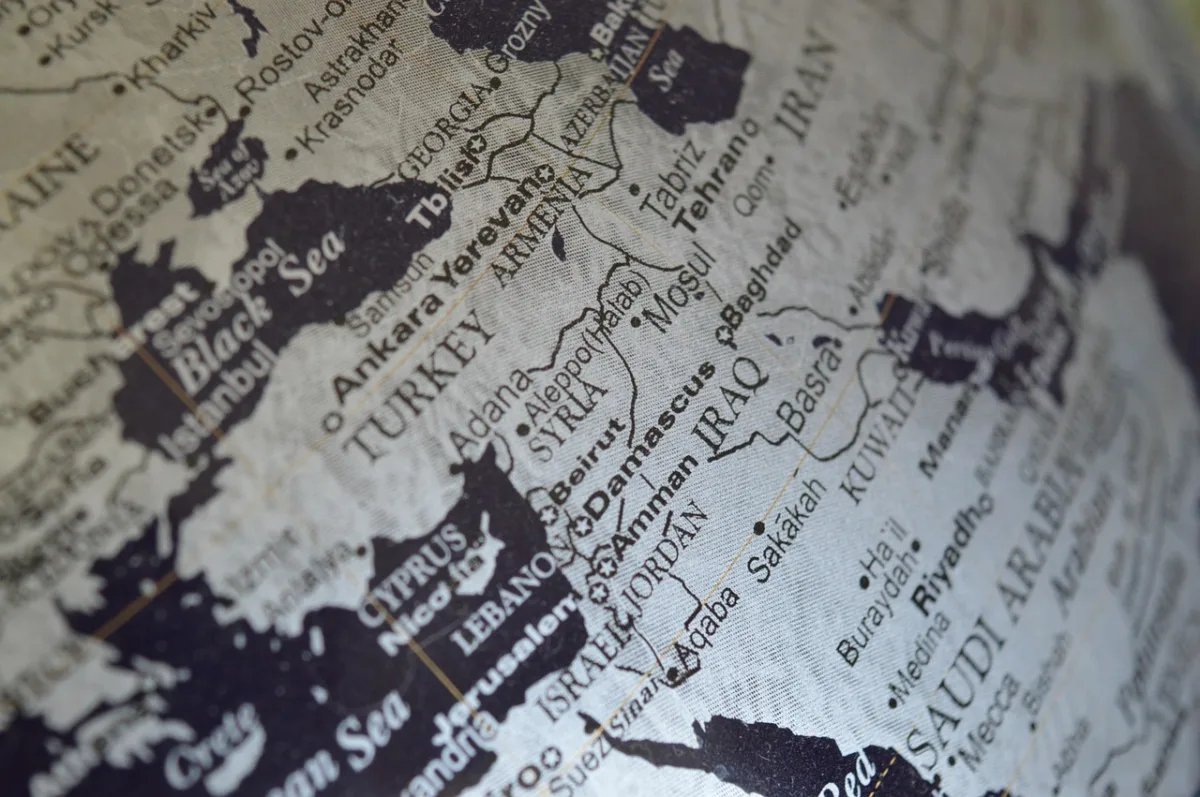
The discussions on the Middle East are particularly pertinent given the complex geopolitical dynamics in the region. Both India and the U.S. have significant stakes in maintaining stability and countering threats. The dialogue likely covered strategies for addressing regional conflicts, ensuring maritime security, and promoting economic stability in the Middle East.
Rubio’s comments regarding progress on the Iran conflict suggest ongoing diplomatic efforts to manage tensions and prevent further escalation. The U.S. views India as a crucial partner in its broader Indo-Pacific strategy, and such dialogues are vital for coordinating approaches to regional security challenges.
Implications for India-US Relations
Senator Rubio’s visit and his statements carry significant weight, reinforcing the U.S. administration’s commitment to the India-U.S. relationship. The assurance that India’s regional relationships will not detract from its ties with the U.S. is a critical signal of trust and strategic partnership.
The prospect of an early trade deal suggests a proactive approach to strengthening economic interdependence. This could involve tariff reductions, market access improvements, and collaboration in key sectors. For businesses and consumers in both nations, this could translate into increased opportunities and more competitive pricing.
What to Watch Next
Moving forward, observers will be watching closely for the concrete steps taken to formalize the trade agreement and the continued diplomatic engagement on Middle East security. The U.S. and India are expected to deepen their strategic cooperation across various domains, including defense, technology, and climate change, building on the momentum generated by such high-level interactions. The effective management of India’s relationships with its neighbors while strengthening its alliance with the U.S. will be a key indicator of the evolving geopolitical landscape.