






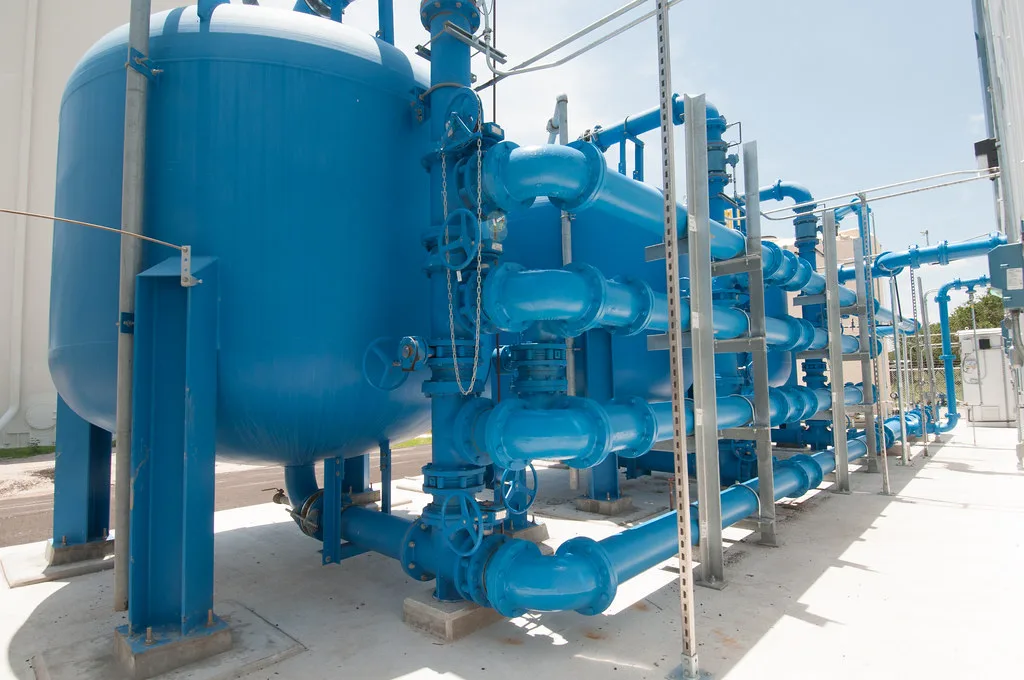
Emergency response teams in Washington state initiated critical containment protocols on Monday following the rupture of a high-level chemical storage tank, an incident that has reignited urgent concerns over industrial safety and environmental protection. As federal officials scrambled to assess the extent of the leak and its proximity to vital water sources, a separate crisis unfolded on the geopolitical front. In Washington D.C., President Donald Trump signaled a notable shift in his administration’s stance toward Iran, indicating that his previous optimism for a swift diplomatic resolution to escalating tensions in the Middle East is beginning to fade.
Containment Efforts and Environmental Risks in Washington
The rupture occurred at a major industrial waste facility known for housing complex chemical and radioactive byproducts. Initial reports from site monitors suggest that a primary containment vessel suffered a structural failure, forcing engineers to rely on aging secondary shells to prevent a catastrophic release into the surrounding soil. The facility, which has long been a focal point for environmental advocacy due to its proximity to the Columbia River, remains under a state of heightened alert as technical crews utilize robotic sensors to inspect the integrity of the remaining infrastructure.
Environmental scientists have expressed immediate concern regarding the potential for groundwater contamination. The Washington State Department of Ecology has dispatched mobile laboratories to the site to conduct real-time air and water quality testing. While officials state there is no immediate threat to public health, the breach highlights the precarious nature of the state’s hazardous waste storage system, much of which was constructed decades ago and has long since exceeded its intended service life.
Geopolitical Shifts: Trump’s Waning Optimism on Iran
Simultaneously, the White House is grappling with a cooling diplomatic climate regarding the Islamic Republic of Iran. President Trump, who had previously expressed a belief that Tehran would soon seek a new nuclear accord under the pressure of U.S. economic sanctions, tempered those expectations during a press briefing. The President’s shift in rhetoric follows a series of military maneuvers in the Persian Gulf and a lack of significant movement from Iranian leadership toward the negotiating table.
Administration officials have characterized this as a transition from “cautious optimism” to a more rigid “maximum pressure” stance. The President’s comments, “We’ll see what happens,” suggest a return to a more transactional and skeptical approach to foreign policy. This change in tone is viewed by many analysts as a response to Tehran’s recent announcements regarding their intent to increase uranium enrichment levels, directly challenging the framework of the 2015 Joint Comprehensive Plan of Action (JCPOA) from which the U.S. withdrew in 2018.
Expert Perspectives and Infrastructure Data
Data from the Department of Energy indicates that the cost of maintaining and remediating aging chemical storage sites in the Pacific Northwest has ballooned to over $100 billion. Structural engineers argue that the recent rupture is not an isolated incident but a symptom of systemic infrastructure decay. “We are working with technology from the mid-20th century to contain 21st-century hazards,” noted one lead environmental consultant. “Without a massive infusion of federal capital for modernization, these ruptures will become more frequent and more severe.”
On the international stage, geopolitical analysts suggest that the President’s wavering optimism reflects a strategic stalemate. Economic data shows that while U.S. sanctions have significantly devalued the Iranian rial and hampered oil exports, they have not yet compelled the Iranian government to accept the administration’s twelve demands for a new treaty. Experts at the Brookings Institution suggest that the lack of a clear “back-channel” for communication has made a diplomatic breakthrough increasingly unlikely in the short term.
Implications for Safety and Global Stability
The domestic incident in Washington state is likely to trigger a new wave of legislative scrutiny regarding the oversight of hazardous waste. Lawmakers are expected to call for a comprehensive audit of all high-level storage tanks to prevent a repeat of the Monday rupture. This could lead to stricter environmental regulations and a potential shift in how the federal government prioritizes the decommissioning of legacy industrial sites. For local communities, the focus remains on the long-term health of the regional ecosystem and the safety of the municipal water supply.
Internationally, the shift in U.S. rhetoric toward Iran signals a period of prolonged economic and military tension. Market analysts are closely watching the impact of this diplomatic cooling on global oil prices, which often fluctuate in response to instability in the Strait of Hormuz. The international community, particularly European allies who still support the nuclear deal, may find themselves under increased pressure to choose between U.S. economic alignment and their own diplomatic ties with Tehran.
As the cleanup in Washington continues and the diplomatic standoff with Iran persists, the focus will turn to the Department of Energy’s upcoming report on tank integrity and the next cycle of U.S. sanctions. Observers will be watching for any signs of direct military escalation in the Middle East or further structural failures at sensitive domestic waste sites. The coming weeks will be critical in determining whether these dual crises can be contained or if they will evolve into more permanent fixtures of the national and international landscape.


