




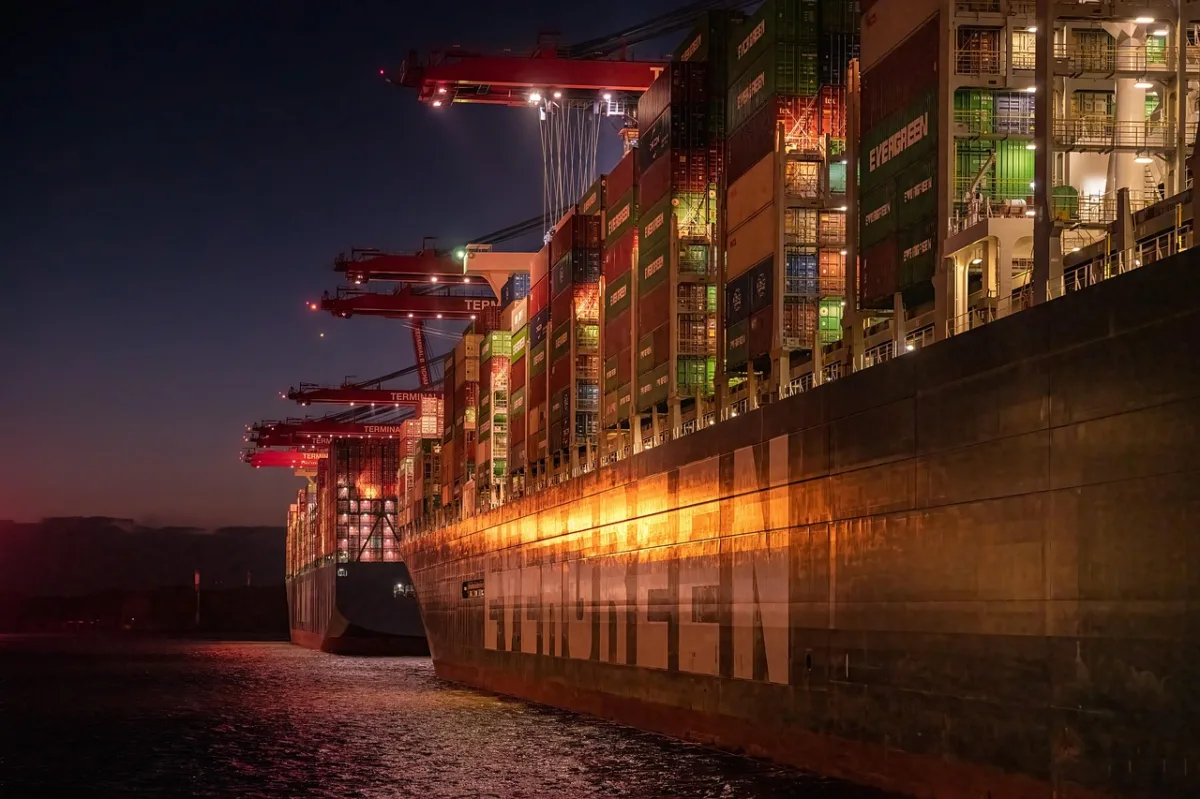
The Cuban government confirmed the arrival of a significant shipment of rice from China this week, a vital delivery aimed at addressing acute food shortages currently crippling the island nation. As Havana battles a severe fuel blockade and crumbling infrastructure, this humanitarian aid underscores the deepening reliance on Beijing to maintain basic social stability amid mounting external political pressures and an increasingly volatile domestic economy.
The Anatomy of a Crisis
Cuba is currently grappling with its most severe economic contraction in decades, characterized by hyperinflation, prolonged power outages, and the near-total depletion of foreign currency reserves. The country’s food security has been severely compromised by a combination of failing agricultural production, a lack of hard currency to import staples, and a tightening of international trade restrictions.
The current situation is exacerbated by what officials in Havana describe as a fuel blockade, which has paralyzed the logistics chain responsible for distributing essential goods. With the U.S. presidential transition approaching, the political climate remains tense; President-elect Donald Trump has signaled a return to a policy of maximum pressure, explicitly targeting regime change, which has further complicated Cuba’s ability to secure international credit or humanitarian relief.
Geopolitical Alignments and Economic Realities
The rice shipment is not merely a charitable gesture but a reflection of a long-standing strategic partnership between Havana and Beijing. China has consistently positioned itself as a critical economic lifeline for the island, providing loans, debt restructuring, and infrastructure support when Western financial institutions have retreated.
According to data from the United Nations World Food Programme, nearly 70% of Cuba’s food consumption is reliant on imports, making the country exceptionally vulnerable to global supply chain disruptions. Recent reports from independent observers on the ground suggest that the caloric intake of the average Cuban citizen has dropped significantly over the past eighteen months, leading to widespread malnutrition concerns in rural provinces.
Expert Perspectives on Strategic Aid
Analysts note that while the shipment provides a temporary reprieve for the government, it does not resolve the systemic issues inherent in the Cuban economic model. “China’s involvement is tactical,” says Dr. Elena Rodriguez, a senior fellow at the Caribbean Policy Institute. “By providing these staples, Beijing maintains its geopolitical foothold in the Western Hemisphere while preventing a total collapse of the Cuban state apparatus, which would pose a significant regional migration risk.”
Economists point out that the reliance on bilateral aid creates a ‘debt trap’ dynamic, where Havana may be forced to offer concessions on mineral rights or telecommunications infrastructure to compensate for the donated goods. This creates a cycle of dependency that leaves little room for the structural reforms necessary to revitalize the domestic agricultural sector.
Implications for the Future
For the Cuban population, the arrival of these supplies offers a brief pause in a relentless daily search for food, yet the long-term outlook remains grim. As the U.S. administration prepares to finalize its Cuba policy, the island will likely see further restrictions on remittances and trade, potentially forcing an even closer alignment with Moscow and Beijing.
Observers should watch for upcoming announcements regarding agricultural policy in Havana, as the government faces mounting pressure to decentralize state farms to boost production. Whether these reforms can be implemented without undermining the current political structure remains the central question for the nation’s survival in the coming year.