





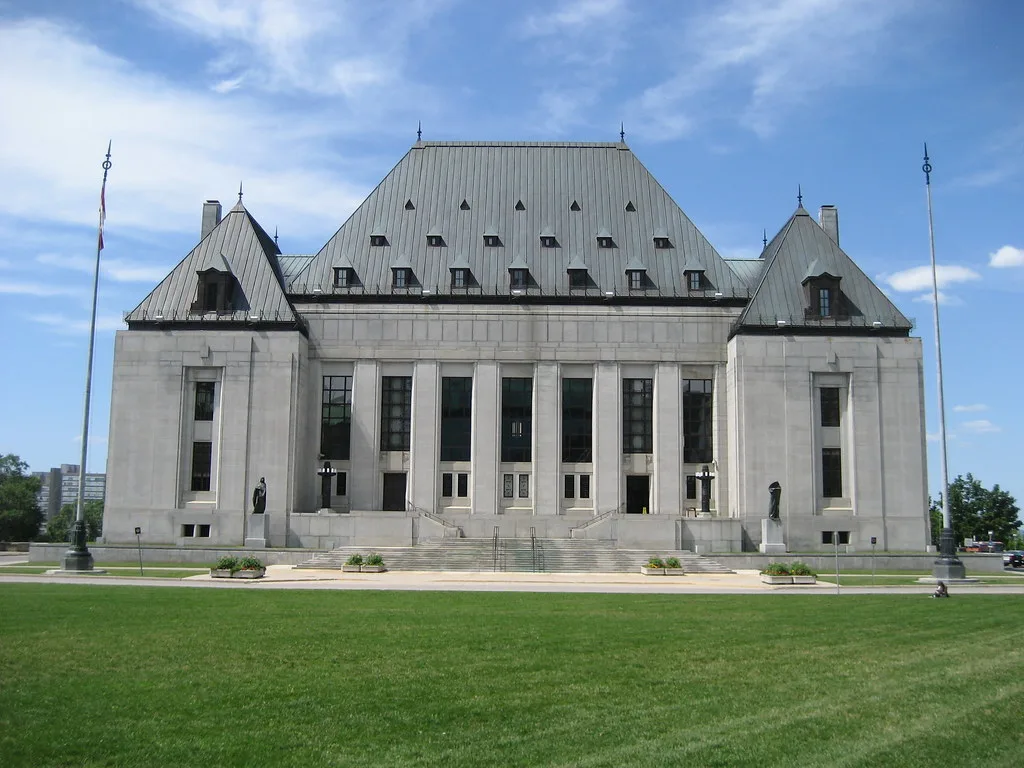
Supreme Court Addresses Racial Bias in Jury Selection
In a significant ruling delivered Thursday morning, the United States Supreme Court sided with Terry Pitchford, a death-row inmate who argued that racial bias tainted the jury selection process during his conviction over two decades ago. The five-justice majority in Pitchford v. Cain underscores ongoing judicial scrutiny regarding the integrity of jury composition in capital cases originating from Mississippi.
The ruling arrives during a period of intense legal activity, as the Court balances individual rights claims against a wave of high-profile cases challenging the extent of presidential and executive authority. While the Pitchford decision focuses on procedural justice and constitutional protections, it coincides with broader litigation that could redefine the boundaries of federal agency independence and citizenship rights.
The Context of Executive Power Struggles
The current Supreme Court docket features several cases that test the limits of executive power under the Trump administration. Legal experts note that these cases—ranging from the Federal Reserve to the Federal Trade Commission—represent a concerted effort to consolidate control over independent regulatory bodies.
Among the most closely watched is Trump v. Cook, which centers on the administration’s attempt to remove Federal Reserve governor Lisa Cook. This case highlights the tension between the executive branch’s desire for centralized economic policy and the statutory independence historically afforded to the central bank.
Broadening Legal Frontiers
The judiciary is also weighing the legality of administrative actions concerning the Federal Trade Commission in Trump v. Slaughter. At issue is the president’s authority to terminate commissioner Rebecca Slaughter, a move that critics suggest could undermine the agency’s ability to act as a non-partisan watchdog over corporate competition.
Simultaneously, the Court is preparing to address Trump v. Barbara, a case with profound implications for constitutional law. The outcome will determine whether the administration possesses the legal standing to restrict birthright citizenship, a challenge that directly confronts the 14th Amendment and long-standing interpretations of American legal identity.
Expert Analysis and Industry Implications
Legal analysts suggest that these cases, taken together, signal a potential shift in the balance of power between the White House and federal agencies. If the Court upholds the administration’s ability to remove commissioners or governors at will, it could fundamentally alter the operational autonomy of independent federal institutions.
For the financial and regulatory sectors, the uncertainty surrounding these rulings poses significant risk. Industry observers are monitoring how these decisions might affect market stability and the enforceability of consumer protection regulations. The potential for a more centralized executive structure suggests that compliance strategies may need to adapt to a landscape with fewer institutional buffers.
Future Legal Trajectories
As the Supreme Court moves forward with these deliberations, the legal community remains focused on how the bench will define the limits of the unitary executive theory. Observers are watching for the specific reasoning in the upcoming opinions, which will likely serve as a roadmap for future challenges to agency independence. The coming months will prove critical in determining whether the Court reinforces traditional checks and balances or permits a more expansive interpretation of presidential authority in the federal bureaucracy.