


Recovery teams recovered the remains of six individuals from a Washington state paper mill on Thursday, following a catastrophic chemical tank implosion that left nine people missing earlier this week. Local authorities confirmed the grim discovery as emergency crews work to neutralize hazardous water runoff spreading from the site of the industrial accident.
Context of the Industrial Incident
The incident occurred at a large-scale pulp and paper processing facility, a critical component of the regional manufacturing infrastructure. Initial reports suggest a pressurized chemical storage vessel suffered a structural failure, leading to an immediate rupture and subsequent release of processing agents.
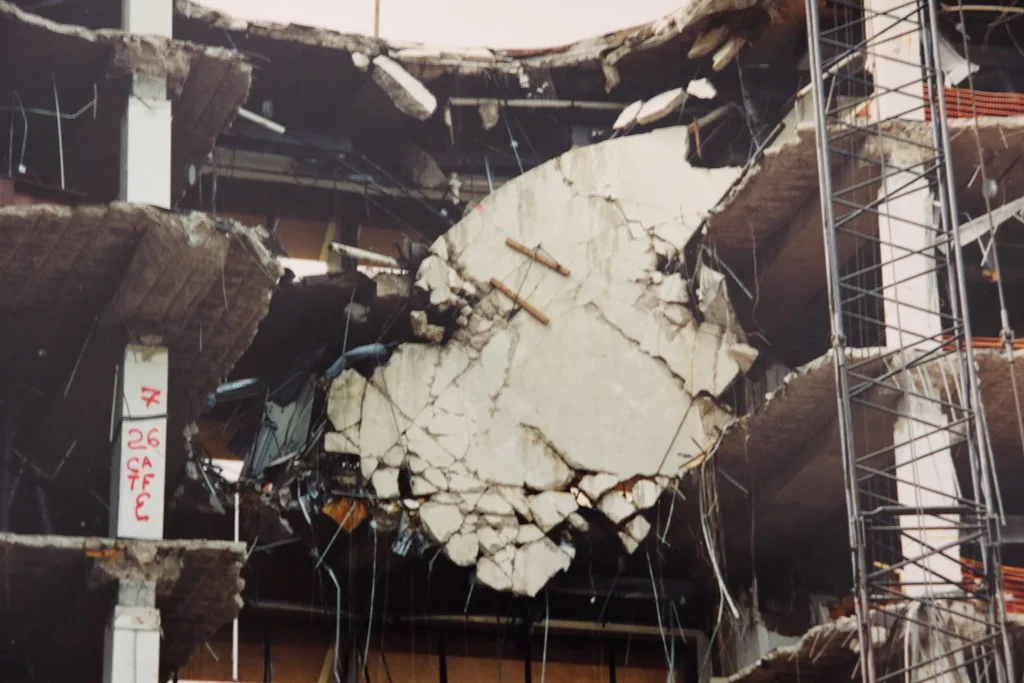
The force of the implosion compromised the surrounding structural integrity of the facility, complicating initial search and rescue attempts. Since the blast, the site has been classified as a high-risk zone due to the presence of unidentified chemical compounds and unstable debris.
Current Response and Environmental Mitigation
Emergency response teams are currently prioritizing the containment of contaminated water generated by the rupture. By utilizing dilution techniques, environmental specialists aim to mitigate the toxicity of the spill before it can migrate into local groundwater or nearby drainage systems.
“Our primary focus remains on the safe recovery of the remaining missing individuals while ensuring the hazardous materials are contained,” stated a spokesperson for the local emergency management office. The operation involves a multi-agency effort, including hazardous materials units, structural engineers, and search and rescue specialists.
Expert Analysis and Safety Standards
Industrial safety experts note that large-scale chemical storage tanks are subject to rigorous inspection schedules, yet they remain vulnerable to mechanical fatigue and corrosion. Data from the Occupational Safety and Health Administration (OSHA) indicates that chemical storage failures, while rare, often result in significant casualties due to the rapid release of stored energy and toxic substances.
Mechanical engineering consultants suggest that the investigation will likely focus on the structural integrity of the vessel’s alloy and the monitoring systems in place prior to the failure. Determining whether the rupture was caused by a pressure buildup or material degradation will be central to the ongoing federal inquiry.
Implications for the Manufacturing Sector
This tragedy serves as a stark reminder of the inherent risks associated with heavy industrial manufacturing. For the industry at large, the event is expected to trigger a wave of mandatory safety audits and a re-evaluation of storage protocols for volatile processing chemicals.
Regulatory bodies may increase oversight regarding the lifespan of aging infrastructure within paper mills across the nation. Facilities may soon face stricter requirements for secondary containment systems and automated shut-off mechanisms designed to prevent mass exposure during a vessel failure.
As the recovery effort continues, attention will shift toward the long-term environmental impact assessment of the surrounding area. Stakeholders are watching for official reports on potential groundwater contamination, which could lead to prolonged remediation efforts and significant financial liability for the facility operators.