





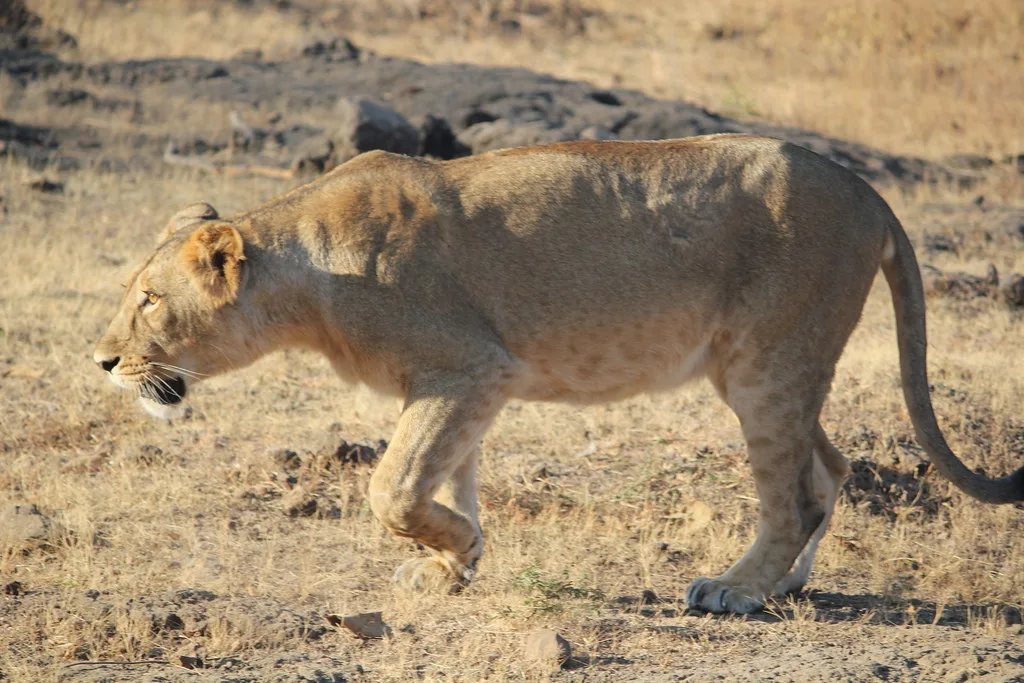
Four Asiatic lion cubs were found dead in the Gir forest region of Gujarat this week, prompting state authorities to isolate 17 other lions amid fears of a spreading viral infection. Chief Minister Bhupendra Patel convened an emergency high-level meeting on Tuesday to coordinate a veterinary response in the world’s only natural habitat for this endangered species. The deaths have triggered an immediate biological surveillance operation across the protected sanctuary to prevent a repeat of past mass mortality events.
Context of the Gir Ecosystem
The Gir National Park and Wildlife Sanctuary in Gujarat is the final stronghold of the Asiatic lion (Panthera leo leo). According to the 2020 census, the population stood at approximately 674 individuals, showing a steady increase from previous years. However, this geographical concentration makes the entire species highly vulnerable to localized catastrophes, particularly infectious diseases.
This is not the first time the Asiatic lion population has faced a viral threat. In 2018, the Canine Distemper Virus (CDV) and Babesiosis outbreak claimed the lives of at least 23 lions in the Sarasiya area of Gir. That crisis led to a massive vaccination drive and international consultation, highlighting the fragile nature of a population confined to a single landscape.
Main Body: Emergency Protocols and Surveillance
The Forest Department discovered the cub carcasses during routine patrolling in the forest’s eastern range. While the exact cause of death is pending laboratory confirmation, the clinical signs observed by field staff suggested a fast-acting viral pathogen. In response, the Chief Minister directed wildlife officials to implement a strict ‘isolate and monitor’ protocol for any pride showing signs of lethargy or respiratory distress.
The 17 isolated lions are currently under observation at the Jamwala and Sasan rescue centers. Veterinary teams are monitoring their food intake and vital signs around the clock. Chief Minister Patel’s high-level meeting included the state’s top forest officials and health experts, focusing on the procurement of specialized medicines and the potential need for imported vaccines if the virus is identified as a known strain of CDV or feline parvovirus.
Field staff have been organized into 100 specialized tracking teams. These teams are tasked with conducting a ‘health census’ of every lion pride within the 1,412 square kilometer sanctuary and the surrounding territorial forests. Any animal showing even minor symptoms is being flagged for immediate veterinary intervention to stop the chain of transmission.
Expert Perspectives and Scientific Data
Wildlife biologists have long warned about the risks of maintaining the entire Asiatic lion population in a single location. Dr. Ravi Chellam, a renowned wildlife expert and advocate for lion translocation, has frequently noted that a single epidemic could wipe out the species. Data from the 2018 outbreak showed that the virus spread rapidly through prides that shared water holes and territorial boundaries.
Current protocols involve collecting blood and tissue samples from the deceased cubs and the isolated lions. These samples have been sent to the National Institute of Virology (NIV) in Pune and the Gujarat Biotechnology Research Centre (GBRC). Scientists are looking for markers of CDV, which is often transmitted to lions from feral dogs living on the fringes of the forest.
The Forest Department is also examining environmental factors. Recent seasonal shifts and high humidity can often exacerbate the spread of tick-borne diseases like Babesiosis, which weakens the lions’ immune systems and makes them more susceptible to viral infections. The department’s current strategy relies on ‘ring fencing’ the infected area to prevent movement of lions into the deeper zones of the sanctuary.
Implications for Conservation and Policy
The recent deaths reignite the long-standing debate regarding the translocation of Asiatic lions. The Supreme Court of India issued a directive in 2013 for the translocation of some lions to the Kuno National Park in Madhya Pradesh to create a second, geographically independent population. However, the move has been stalled for years due to political and administrative hurdles.
For the conservation industry, this scare underscores the necessity of advanced genomic monitoring. Reliance on traditional tracking is no longer sufficient in an era where zoonotic diseases are evolving rapidly. The state government’s willingness to escalate the issue to the Chief Minister’s office indicates the high stakes involved, both for India’s biodiversity and its international reputation in wildlife management.
The economic impact on the region is also a concern. Gir is a major hub for eco-tourism, supporting thousands of local livelihoods. A prolonged outbreak leading to a sanctuary shutdown would have devastating effects on the local economy, further complicating the relationship between conservation efforts and community needs.
Authorities are now awaiting the final toxicology and virology reports to determine if a mass vaccination program is required. The next 72 hours are considered critical for the 17 isolated lions, as any further deaths could indicate a more virulent strain than previously encountered. Conservationists will be watching closely to see if the Gujarat government initiates a more aggressive strategy for population dispersal or if it continues to rely on localized containment and intensive veterinary care.