





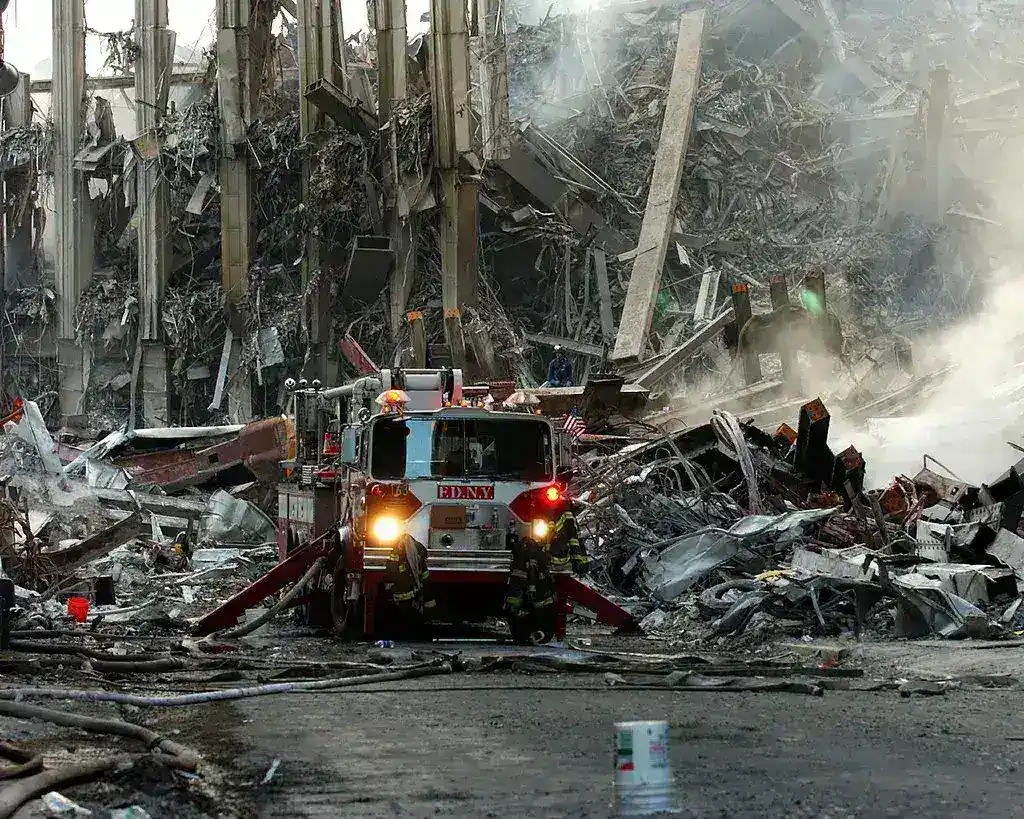
Rescue teams in the Philippines are working against time today after a multi-story building collapsed, resulting in three confirmed fatalities and leaving at least 17 individuals missing. The disaster struck earlier this morning, prompting a massive emergency response involving heavy machinery and K-9 units in an effort to locate survivors buried under the rubble.
The Context of Disaster Response
The Philippines is frequently prone to structural failures due to a combination of aging infrastructure and extreme weather conditions. The region where the collapse occurred has seen significant seismic activity over the past decade, leading local authorities to implement stricter building codes; however, enforcement remains a challenge in densely populated urban zones.
Current Rescue Efforts and Technical Challenges
Emergency responders are currently utilizing advanced thermal imaging technology to detect signs of life beneath the concrete debris. Officials confirmed that these scans have picked up rhythmic patterns consistent with human breathing and heartbeats, providing a glimmer of hope for families waiting at the perimeter of the site.
“Our primary objective remains extraction and stabilization,” said a local incident commander during a press briefing. “The structural integrity of the remaining sections of the building is compromised, which significantly slows down our manual debris removal process to prevent further collapse.”
Expert Perspectives on Structural Safety
Structural engineering experts suggest that the incident highlights a broader issue regarding rapid urban development outpacing safety inspections. According to data from the National Disaster Risk Reduction and Management Council, structural failures account for a small but consistent percentage of emergency call-outs annually, often linked to unauthorized modifications or poor quality materials.
“When a building collapses in this manner, it usually points to a failure in load-bearing systems that may have been exacerbated by environmental stressors,” noted Dr. Aris Villanueva, a civil engineering consultant. He emphasized that the combination of heavy rainfall and potential foundation shifts are factors that investigators will examine in the coming days.
Broader Implications for Urban Planning
This tragedy serves as a stark reminder of the risks associated with urban density and the necessity for rigorous public safety oversight. For the construction industry, the event is expected to trigger a wave of mandatory safety audits across similar structures in the province to ensure compliance with national building standards.
Residents and business owners in the vicinity are bracing for potential displacement as authorities cordon off the area for forensic analysis. The focus in the immediate future will shift toward the legal and safety investigation, with government agencies expected to release preliminary reports on the building’s maintenance history by the end of the week. Observers should monitor the official death toll and the outcome of the search operation, as well as upcoming legislative discussions regarding the tightening of building permit regulations across the nation.