





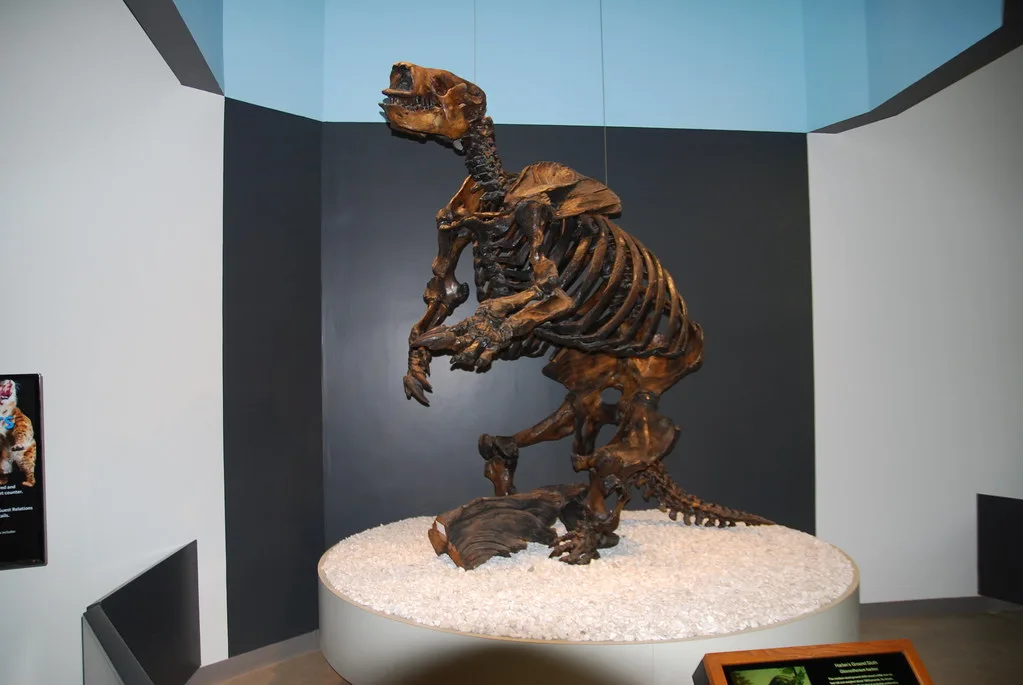
The La Brea Tar Pits, the world’s only active urban excavation site for Ice Age fossils, has officially launched a major revitalization project in Los Angeles to modernize its research facilities and visitor experience for the first time in nearly 50 years. This massive undertaking seeks to preserve the site’s unique geological history while addressing the crumbling infrastructure of a landmark that has served as a window into the Pleistocene epoch since its discovery.
A Prehistoric Time Capsule in the Modern Metropolis
Situated in the heart of Los Angeles, the La Brea Tar Pits exist as a rare geological anomaly where natural asphalt, or bitumen, bubbles to the surface from deep underground. Over the last 50,000 years, this sticky substance has acted as a natural trap, preserving the skeletons of millions of creatures ranging from massive Columbian mammoths to tiny insects.
The site has provided scientists with an unparalleled dataset regarding climate change and extinction patterns. Unlike traditional archaeological digs, the tar pits offer a continuous, stratified record of life in Southern California, effectively serving as a “Pompeii of the Ice Age” that remains active and accessible to researchers today.
Modernizing an Iconic Research Facility
The renovation initiative, led by the Natural History Museums of Los Angeles County, aims to replace aging laboratory equipment and improve the public-facing galleries. Project leads emphasize that the goal is not merely cosmetic; it is a critical scientific effort to protect specimens that are currently housed in outdated conditions.