




Election Process in Northern Syria
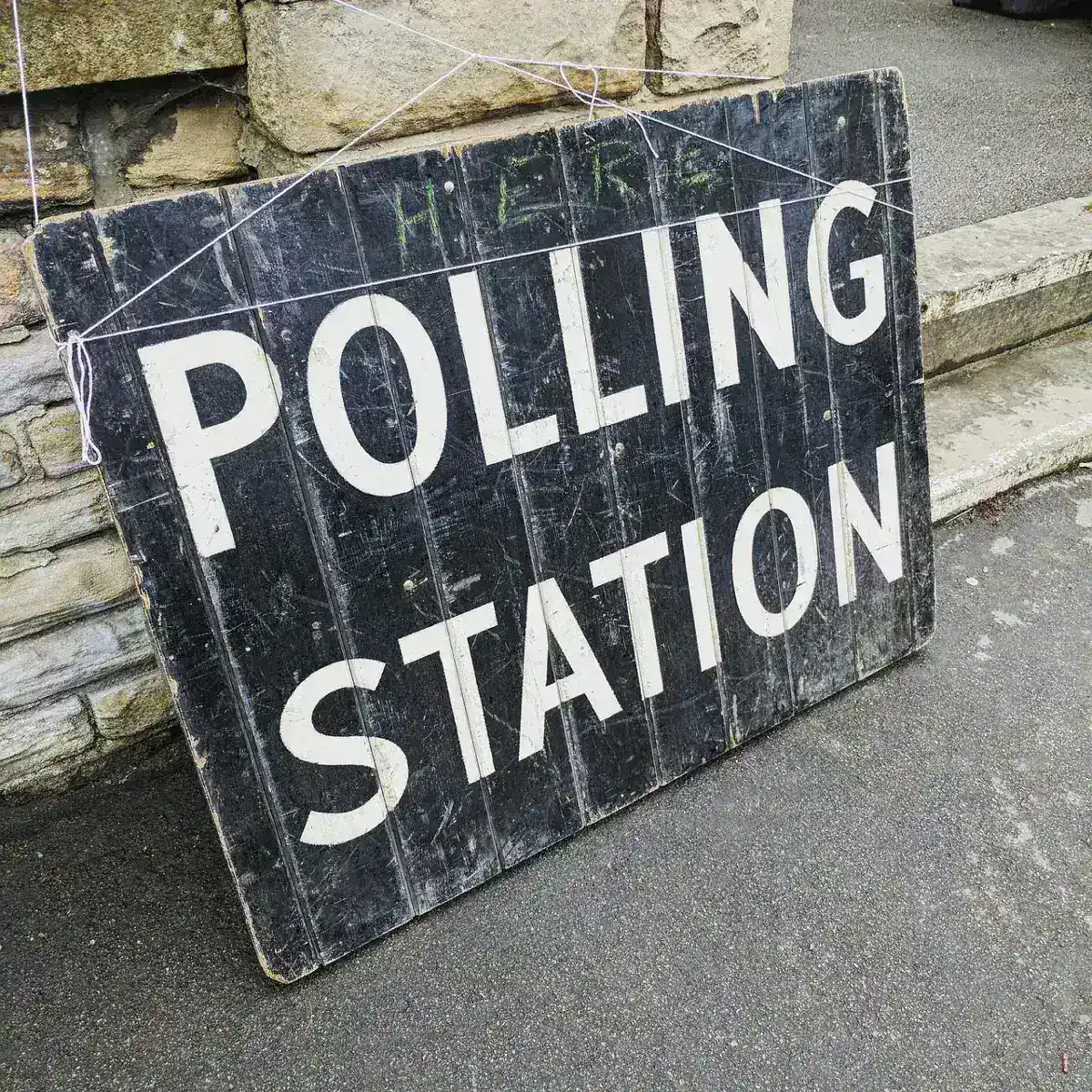
The Syrian government held legislative elections this week across several regions, including the strategically significant cities of Hasakah and Kobane, marking a return of state-sanctioned voting in areas previously held by Kurdish-led forces. This move signals a concerted effort by Damascus to reassert sovereign control over northern territories that have been autonomous for over a decade. Officials reported the opening of polling stations in these districts, inviting residents to participate in a ballot that the central government views as a critical step toward national reunification.
Contextualizing the Shift in Power
For more than ten years, the Autonomous Administration of North and East Syria (AANES) has governed these regions, supported by the Syrian Democratic Forces (SDF) and an international coalition. These territories were primarily managed through local councils that operated independently of the central authority in Damascus. The recent shift follows a series of complex geopolitical maneuvers and security readjustments in northern Syria, where the presence of foreign militaries and local militias has created a fragmented governance landscape.
Detailed Coverage of the Electoral Landscape
The elections encompass parliamentary seats across the country, but the inclusion of northern districts carries specific political weight. Government-aligned media outlets have framed the voting as a return to normalcy and the restoration of state services to long-neglected populations. However, the logistical reality on the ground remains volatile, with reports of limited participation in areas where local loyalties remain divided between the central state and the autonomous administrative structures.
Observers note that the government’s ability to conduct these elections relies heavily on the consolidation of territory previously guarded by the SDF. As the central government re-establishes its administrative presence, it faces the challenge of integrating populations that have grown accustomed to a self-governing model. The electoral process is being utilized as a primary tool for legitimizing state authority in the eyes of the international community.
Expert Perspectives and Statistical Trends
Political analysts suggest that the election is as much about domestic optics as it is about administrative control. According to regional security reports, the government is leveraging these polls to demonstrate that the state’s reach is expanding, effectively signaling to external actors that the period of de facto autonomy is drawing to a close. While state-run media emphasizes high turnout in reconstructed areas, independent monitoring groups cite the lack of international observers as a factor that complicates the verification of the official results.
Data from the United Nations Office for the Coordination of Humanitarian Affairs indicates that these regions are still struggling with the aftermath of prolonged conflict, with significant infrastructure gaps persisting. The ability of the government to deliver on public services after the election will likely determine the long-term success of its reassertion efforts. Public trust remains a volatile variable as residents weigh the benefits of state integration against the potential loss of local autonomy.
Industry and Geopolitical Implications
For the residents of these regions, the implications are profound, as they now face a transition toward centralized governance structures that may alter local taxation, education, and security protocols. For the international community, the expansion of Damascus’s footprint into the north necessitates a recalibration of diplomatic strategies regarding Syria’s long-term political settlement. The movement of personnel and state resources into these zones will likely prompt new rounds of negotiations between regional powers and the Syrian administration.
Looking ahead, observers should monitor the appointment of local officials in these newly integrated zones to see if Damascus adopts a policy of inclusion or strict administrative oversight. Furthermore, the reaction of the remaining autonomous councils and their international partners will be a key indicator of whether this transition remains peaceful or leads to renewed localized friction. The coming months will determine if this electoral exercise translates into genuine state stability or remains a largely symbolic gesture in a fractured nation.