





A Violent Encounter on the Reef
A 30-year-old spearfisher died after a fatal shark attack on the Great Barrier Reef in Queensland, Australia, this past Sunday. Local authorities confirmed the incident occurred while the victim was diving with friends, marking the second such tragedy in Australian waters in just over a week.
Police reports indicate that emergency services were alerted to the scene near the reef shortly after the attack took place. Despite immediate assistance from his companions and subsequent medical intervention, the man succumbed to his injuries at the scene.
Context of the Recent Surge
This incident follows the death of a teenage surfer who was killed by a shark in South Australia just days prior. The back-to-back fatalities have reignited long-standing debates regarding human-wildlife interactions in Australian coastal regions.
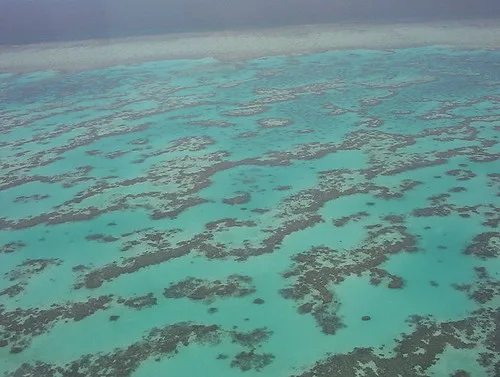
The Great Barrier Reef, a massive ecosystem stretching over 2,300 kilometers, is home to a diverse array of shark species, including tiger sharks and bull sharks. While shark attacks remain statistically rare, the frequency of recent sightings and encounters has prompted increased concern among local recreational water users.
Analyzing the Risks
Marine biologists emphasize that shark behavior is complex and influenced by various environmental factors. Warmer water temperatures and changes in prey migration patterns can occasionally draw larger predators closer to shorelines or popular diving reefs.
Data from the Australian Shark-Incident Database shows that while the number of people entering the water has increased, the rate of fatal attacks has remained relatively stable over the long term. However, the nature of spearfishing—which involves attracting fish and creating vibrations in the water—can inadvertently draw the attention of curious or hungry predators.
“Spearfishing inherently changes the risk profile for a diver,” notes Dr. Marcus Thorne, a marine ecologist specializing in predator-prey dynamics. “The presence of bleeding fish creates an acoustic and olfactory signal that sharks are evolutionarily hardwired to investigate.”
Industry and Safety Implications
The Australian government has faced mounting pressure to balance conservation efforts with public safety. Current strategies in various states include the use of shark nets, drum lines, and drone surveillance to monitor coastal activity.
For the diving and spearfishing community, these tragedies serve as a grim reminder of the inherent risks associated with open-water activities. Many local clubs are now re-evaluating safety protocols, including the use of electronic shark deterrents and stricter buddy-system mandates.
The tourism industry, which relies heavily on the allure of the Great Barrier Reef, is also closely monitoring the situation. Industry leaders are working with environmental agencies to ensure that safety messaging is communicated effectively to visitors without demonizing the shark populations that are vital to the reef’s health.
Looking Ahead
Authorities are expected to increase patrols in the affected areas of the Great Barrier Reef over the coming weeks as they evaluate whether the recent attacks indicate a shift in local predator behavior. Observers will be watching for potential updates to safety guidelines for commercial and recreational diving operators. Meanwhile, researchers are calling for more comprehensive data collection to better understand if these incidents are linked to broader climate-driven shifts in marine ecosystems.