


Senator Marco Rubio stated that a potential Iran nuclear deal remains achievable within days, even as the United States conducted strikes against Iranian-backed targets, emphasizing that the Strait of Hormuz must remain open for international shipping. The comments, made recently, highlight the precarious balance between diplomatic efforts and ongoing military actions in the region.
Regional Instability and Diplomatic Maneuvers
The current geopolitical climate surrounding Iran is marked by a complex interplay of diplomatic negotiations and military posturing. The indirect talks aimed at reviving the Joint Comprehensive Plan of Action (JCPOA), commonly known as the Iran nuclear deal, have been ongoing for an extended period, with intermittent progress and setbacks.
These negotiations, primarily mediated by European powers, involve the United States and Iran seeking to re-establish terms for Iran‘s nuclear program in exchange for sanctions relief. However, recent escalations, including U.S. military actions, have introduced new layers of complexity and urgency.
The Strategic Importance of the Strait of Hormuz
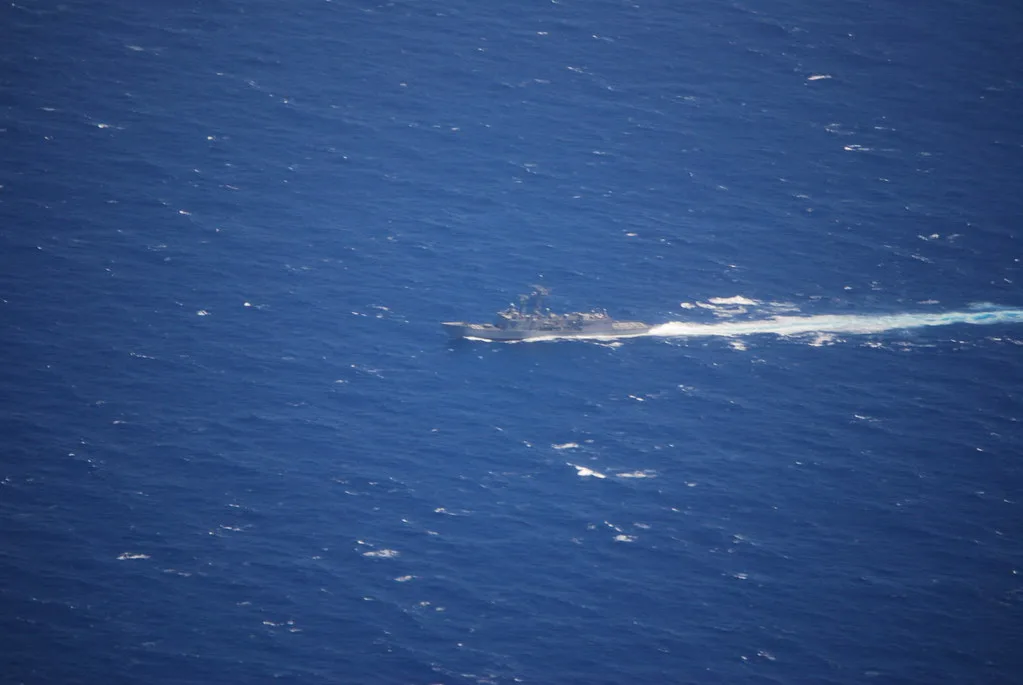
Senator Rubio’s assertion underscores the critical role of the Strait of Hormuz, a vital chokepoint for global oil transportation. Approximately 20% of the world’s total petroleum liquids supply passes through this narrow waterway connecting the Persian Gulf to the Gulf of Oman.
Any disruption to shipping in the Strait could have immediate and severe repercussions on global energy markets, leading to price spikes and supply shortages. This strategic importance makes maintaining open passage a paramount concern for international security and economic stability.
U.S. Strikes and Their Impact on Negotiations
The recent U.S. strikes targeted facilities associated with Iranian-backed militias in the region, reportedly in response to attacks on U.S. forces or interests. Such military actions, while intended to deter further aggression, often create a more challenging environment for diplomatic initiatives.
Analysts suggest that while these strikes might be aimed at signaling resolve, they could also harden positions on both sides, potentially complicating the final stages of nuclear deal negotiations. The timing of these actions in relation to the sensitive diplomatic process is a key point of observation.
Expert Analysis and Data
Dr. Evelyn Reed, a Middle East policy analyst at the Global Security Institute, commented, “The situation is akin to walking a tightrope. The U.S. is trying to signal strength and deter aggression while keeping the door open for diplomacy. However, the risk of miscalculation or escalation is ever-present, especially when vital interests like the Strait of Hormuz are involved.”
Data from the U.S. Energy Information Administration (EIA) consistently shows the Strait of Hormuz as one of the world’s most critical oil transit points. In 2022, EIA reported that an average of 15.3 million barrels per day (bpd) of crude oil and petroleum products passed through the strait, a figure that fluctuates but remains consistently high.
Implications for Global Markets and Diplomacy
The continued possibility of a nuclear deal, despite heightened tensions, suggests that both sides may still see significant benefits in reaching an agreement. For Iran, sanctions relief could revitalize its economy. For the U.S. and its allies, a verifiable limit on Iran’s nuclear program would be a significant security achievement.
However, the immediate implications of continued regional instability, including potential disruptions in the Strait of Hormuz, are significant for global energy security. Traders and policymakers will be closely monitoring any developments that could affect oil supply routes and prices.
Looking Ahead
The coming days will be crucial in determining whether diplomatic momentum can overcome the friction generated by recent military actions. Observers will be watching to see if Iran’s response to the U.S. strikes aligns with a continued willingness to negotiate, and whether the international community can effectively manage the dual challenges of ensuring maritime security and advancing nuclear non-proliferation efforts.