




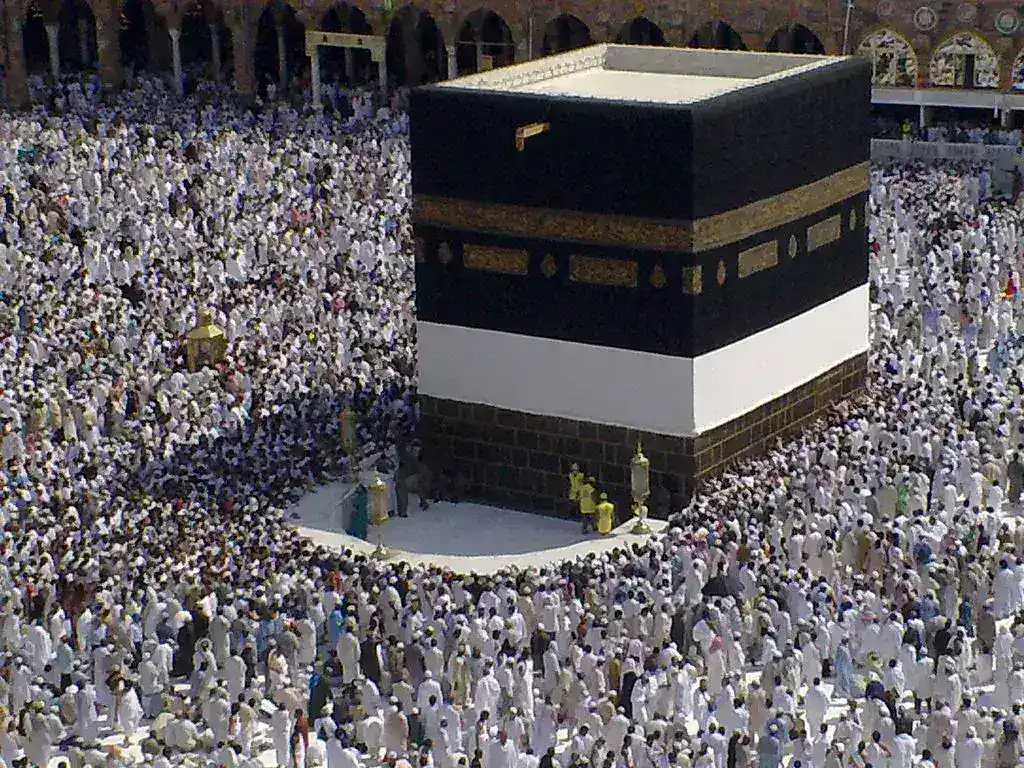
MECCA, Saudi Arabia — Hundreds of thousands of Muslim pilgrims arrived in the sprawling tent city of Mina on Friday, marking the official commencement of the annual Hajj pilgrimage ahead of the pivotal Day of Arafah. Moving in a synchronized wave of white robes, worshippers gathered just outside the holy city of Mecca to prepare for the most critical spiritual rites of their lives. This massive mobilization represents one of the largest annual human gatherings on Earth, returning to full scale following years of pandemic-era restrictions.
The Spiritual Significance of Mina
The journey to Mina serves as the preliminary step of the five-day Hajj, a mandatory religious duty for all able-bodied Muslims who can afford it. Pilgrims spend the night in Mina, a vast valley packed with air-conditioned tents, engaged in prayer and Quranic recitation. This preparation leads directly into the Day of Arafah, where pilgrims gather at Mount Arafah to seek forgiveness in what is considered the pinnacle of the Hajj experience.
Historically, the logistics of housing and moving millions of people through a narrow mountain pass have presented monumental challenges. Saudi authorities have spent decades upgrading infrastructure, converting Mina into a highly sophisticated temporary city. The area now features fireproof tents, dedicated transport networks, and advanced sanitation systems designed to accommodate the massive influx.
Logistics, Security, and Heat Mitigation
The Saudi Ministry of Hajj and Umrah announced that over 1.8 million pilgrims are participating in this year’s pilgrimage, representing more than 160 countries. To manage this unprecedented crowd, authorities have deployed tens of thousands of security personnel, medical staff, and civil defense officers across the holy sites. Security checkpoints encircle Mecca to prevent unauthorized travelers from entering without official permits.
A primary concern for organizers this year is the extreme summer heat, with temperatures in Mecca frequently exceeding 45 degrees Celsius (113 degrees Fahrenheit). To combat heat stroke and dehydration, the Saudi government has installed massive misting fans throughout Mina and along the pedestrian pathways. Hundreds of mobile health clinics and specialized heat exhaustion centers have been positioned along the pilgrimage route to provide immediate medical assistance.
Volunteers and municipal workers are distributing millions of bottles of chilled water to pilgrims as they walk. The Ministry of Health has urged all participants to carry umbrellas, drink fluids constantly, and avoid direct exposure to the sun during peak hours. Additionally, the Mashair Railway high-speed train system is operating at maximum capacity to transport pilgrims between the holy sites of Mina, Muzdalifah, and Arafah, reducing foot traffic under the scorching sun.
Technological Integration and Expert Perspectives
Independent logistics experts praise the increasing integration of technology in managing the crowds. Dr. Amin Al-Hasan, a specialist in crowd dynamics, noted that real-time AI monitoring systems now allow authorities to track crowd density and redirect pedestrian traffic before bottlenecks occur. “The use of predictive modeling has significantly reduced the risk of stampedes, which historically plagued the event,” Al-Hasan stated in an interview.
Furthermore, the Saudi government has expanded its “Nusuk” digital platform, requiring pilgrims to use smart cards that store personal, medical, and housing information. These digital credentials allow security and medical personnel to quickly assist lost or distressed individuals. The digitization effort aligns with Saudi Arabia’s Vision 2030 initiative, which aims to increase the capacity of the Hajj and Umrah pilgrimages to over 30 million annual visitors.
Future Outlook and Environmental Challenges
The successful execution of this year’s Hajj carries significant economic and geopolitical weight for Saudi Arabia. As the custodian of Islam’s holiest sites, the Saudi monarchy derives immense religious legitimacy from its management of the pilgrimage. The event also serves as a major non-oil economic driver, generating billions of dollars in revenue for the hospitality, transport, and retail sectors.
However, long-term climate projections present a growing challenge for the future of the Hajj. Researchers warn that rising global temperatures will make outdoor rituals increasingly hazardous in the coming decades. This reality is forcing urban planners in Riyadh to consider permanent shade structures, underground pedestrian tunnels, and expanded indoor prayer spaces to protect future generations of pilgrims.
As the sun sets over Mina, pilgrims are preparing for the pre-dawn trek to Mount Arafah. Observers will closely monitor how the newly implemented heat mitigation technologies and crowd control algorithms perform during this critical phase. The success of these measures over the next 48 hours will likely set a new benchmark for global mass gathering management in an era of accelerating climate change.