



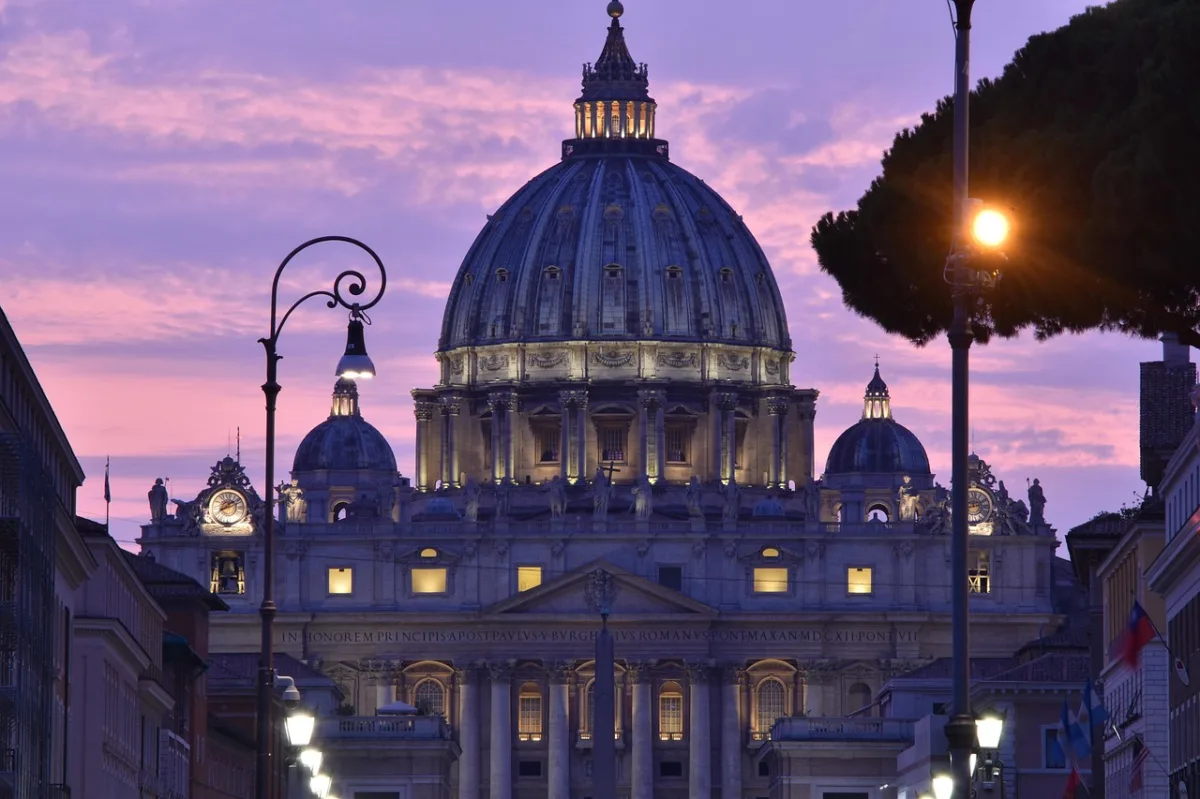
Pope Leo XIV issued a stark warning regarding the rapid, unregulated advancement of artificial intelligence in his first papal encyclical released at the Vatican on Thursday. The pontiff urged global leaders to establish binding ethical frameworks to prevent autonomous systems from undermining human dignity, exacerbating social inequalities, and eroding moral decision-making.
The highly anticipated document, titled Imago Dei in Technica (Image of God in Technology), represents the highest level of papal teaching. It positions the Catholic Church as a major diplomatic and moral voice in the global debate surrounding Silicon Valley’s rapid technological expansion.
A Historic Mandate on Modern Technology
An encyclical is a formal pastoral letter sent by the Pope to bishops worldwide, traditionally addressing matters of doctrine and morals. By dedicating his very first encyclical to artificial intelligence, Pope Leo XIV signals that digital ethics is the defining moral challenge of the modern era.
The Vatican’s shift toward tech diplomacy has built steadily over the last decade. Previous initiatives, such as the “Rome Call for AI Ethics” signed by tech giants like Microsoft and IBM, laid the groundwork for this comprehensive theological declaration.
The Core Dangers: Bias, Dehumanization, and Warfare
In the text, Pope Leo XIV systematically dissects the dangers of relying on machine learning algorithms for critical human decisions. He warns that algorithms often inherit and amplify human biases, leading to systemic discrimination in housing, employment, and criminal justice.
The pontiff also expressed deep concern over the militarization of AI, specifically targeting lethal autonomous weapons systems (LAWS). “A machine must never decide whether a human being lives or dies,” the Pope wrote, calling for an immediate international ban on AI-driven weaponry.
Furthermore, the encyclical addresses the psychological toll of digital isolation. Pope Leo XIV warns that replacing human relationships with AI companions or relying on algorithms for pastoral care risks hollow spiritual engagement and profound societal loneliness.
Economic Displacement and the Dignity of Work
A significant portion of the encyclical focuses on the labor market. The Pope warns that unchecked automation could lead to unprecedented job displacement, disproportionately affecting vulnerable working-class populations.
The document argues that work is not merely an economic utility but a source of human dignity. Pope Leo XIV asserts that replacing human workers with algorithms solely to maximize corporate profits represents a moral failure of modern capitalism.
Expert Perspectives and Global Reactions
Vatican correspondents, including CBS News reporter Chris Livesay, note that the encyclical aims to bridge the gap between ancient theology and cutting-edge science. Observers highlight that the Pope is not anti-technology, but rather pro-humanity, advocating for a concept the Vatican calls “algor-ethics.”
Ethicists and tech policy experts have welcomed the declaration. Dr. Elena Rostova, a senior researcher at the European Institute for Digital Ethics, notes that the Pope’s global moral authority could influence policy in regions where secular regulations face political gridlock.
According to a recent Pew Research Center survey, 52% of Americans express more concern than excitement about the growing role of AI in daily life. The papal document taps into this widespread global anxiety, offering a structured moral vocabulary to address public fears.
Implications for the Tech Industry and Global Policy
The encyclical is expected to exert immediate pressure on Catholic-majority nations, particularly in Europe and Latin America, to adopt stringent regulatory measures. Lawmakers in Brussels are already analyzing how the Pope’s directives align with the European Union’s landmark AI Act.
For Silicon Valley, the Vatican’s stance means tech executives can expect increased scrutiny from shareholders and consumers demanding ethical compliance. Major tech firms may face pressure to appoint independent ethical boards with veto power over high-risk AI deployments.
Looking ahead, the international community will watch how global bodies respond to the Pope’s call for a binding treaty. The Vatican is scheduled to host an international summit on digital ethics next month, where tech leaders, theologians, and world leaders will attempt to draft a unified regulatory framework based on the encyclical’s principles.