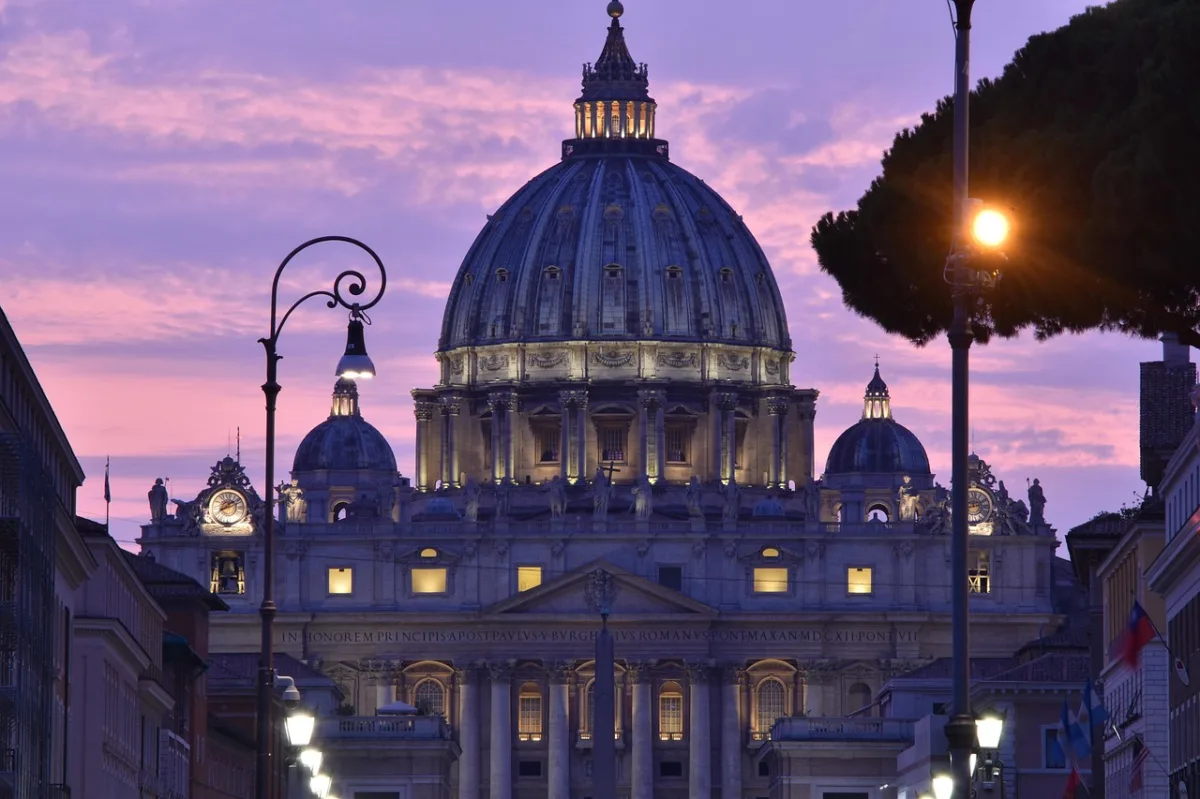




On Thursday, Pope Leo issued a landmark papal encyclical from the Vatican titled “Magnifica Humanitas,” calling for the global “disarming” of artificial intelligence technologies. The high-profile document warns that as modern society integrates autonomous systems into daily life, humanity faces an existential struggle to remain “profoundly human” amid rapid technological acceleration.
A Moral Compass for the Digital Age
Papal encyclicals represent the highest form of teaching authority for the Roman Catholic Church, historically addressing pressing social, economic, and ethical crises. “Magnifica Humanitas” builds upon the Vatican’s previous efforts, such as the 2020 Rome Call for AI Ethics, but elevates the discourse to an urgent theological and existential level. The Vatican’s Pontifical Academy for Life has spent years studying these advancements, culminating in this comprehensive directive aimed at 1.3 billion Catholics and the broader global community.
Historically, the Church has stepped in during moments of profound industrial transition. Just as Pope Leo XIII addressed labor rights during the Industrial Revolution in 1891, the current pontiff seeks to establish a moral framework for the cognitive revolution. The encyclical arrives at a time when generative AI and machine learning models are transforming industries, labor markets, and human communication at an unprecedented pace.
The Call to ‘Disarm’ Algorithmic Systems
The encyclical introduces the concept of “disarming” AI, a term Pope Leo uses to describe the dismantling of harmful, weaponized, and exploitative algorithms. This call extends far beyond physical autonomous weapons systems to include surveillance technologies, predictive policing algorithms, and generative models that distort public discourse. The Pope argues that reducing human experience to mere data points strips individuals of their inherent dignity and free will.
The document specifically critiques the economic models driving AI development. Pope Leo denounces “techno-feudalism,” where tech conglomerates amass unprecedented power at the expense of human labor and cognitive sovereignty. He emphasizes that technology must serve the common good rather than concentrate wealth and control in the hands of a few global entities.
According to the encyclical, the danger lies in the delegation of moral decision-making to machines. Pope Leo writes that while algorithms can calculate, they cannot possess compassion, mercy, or a conscience. The document urges developers to embed human-centric limitations directly into the architecture of AI models before they are deployed to the public.
Global Experts and Data Align with Vatican Concerns
Tech policy analysts and ethicists have quickly responded to the Vatican’s intervention, noting its alignment with growing public anxiety. Dr. Aris Thorne, director of the Digital Ethics Initiative, noted that the Pope’s framing of “disarming” AI shifts the debate from mere regulatory compliance to fundamental human rights. Thorne stated that the document provides a much-needed universal vocabulary for the ethical dilemmas of the digital age.
Data from recent global surveys support the urgency of the Pope’s message. A 2024 study by the Pew Research Center indicates that 52% of citizens in developed nations feel more concerned than excited about the growing role of AI in daily life. Furthermore, a report from the International Labour Organization (ILO) suggests that up to 40% of global employment could be exposed to AI disruption, exacerbating economic inequality if left unregulated.
What Lies Ahead for Tech Giants and Regulators
For the technology industry, “Magnifica Humanitas” adds significant moral weight to the growing global push for stricter AI regulation. Governments, particularly in the European Union and the United States, may leverage the Vatican’s ethical framework to bolster upcoming legislative packages. The document signals a shift where religious and ethical institutions will increasingly demand seat-at-the-table representation in international tech policy summits.
In the coming months, global leaders will watch how Silicon Valley executives and international bodies respond to the Vatican’s challenge. The upcoming United Nations Summit of the Future is expected to address these themes directly, with Vatican diplomats prepared to lobby for an international treaty on algorithmic disarmament. Whether tech giants will voluntarily adopt these stringent ethical boundaries, or if governments will enforce them through hard law, remains the critical question to watch.