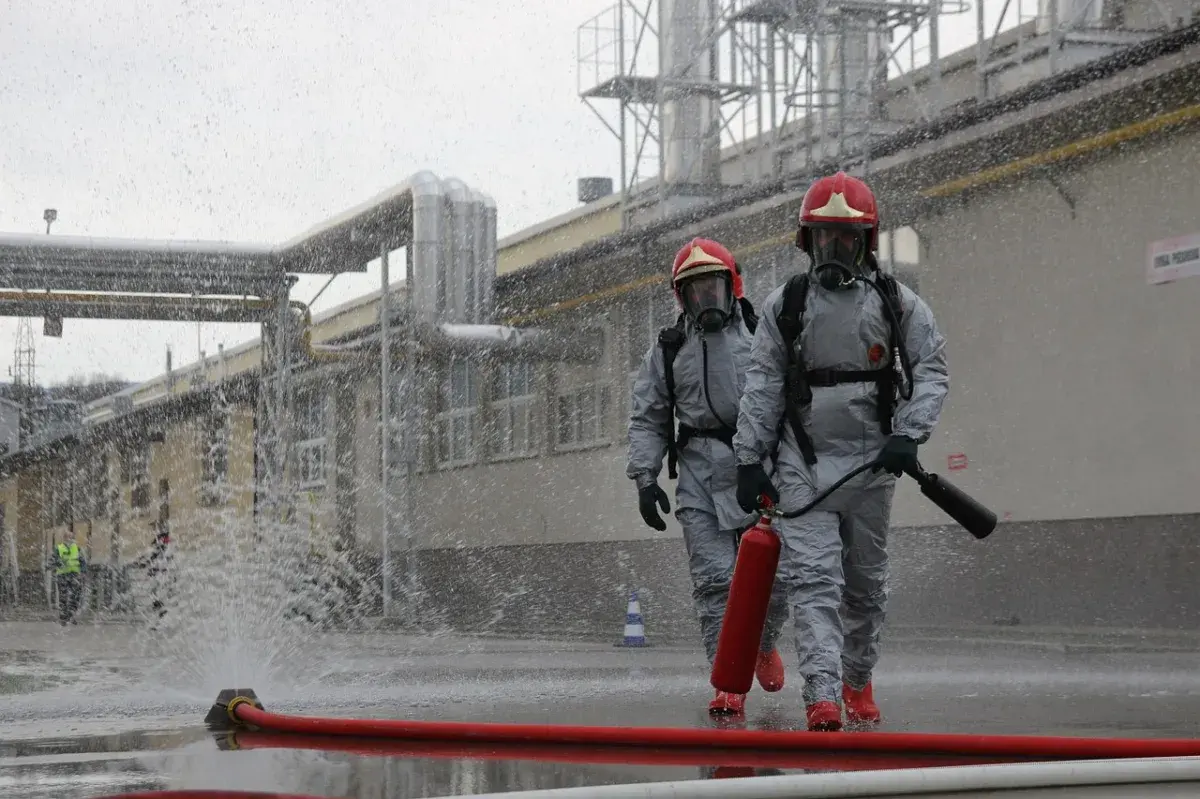



Emergency Response Teams Mobilize Following Dual Disasters
Emergency crews in Dallas, Texas, and Washington state are battling the aftermath of two separate, catastrophic incidents that occurred on May 28, resulting in multiple casualties and significant property destruction. In Dallas, a massive fire erupted at an apartment complex following a suspected gas explosion, while in Washington, a chemical tank failure has left several individuals presumed dead.
The Dallas Apartment Explosion
Residents of a Dallas apartment complex were forced to evacuate late Tuesday following a powerful explosion that triggered a multi-alarm fire. Preliminary reports from local fire departments indicate that a ruptured gas line may be the primary catalyst for the blast, which caused partial structural collapses throughout the building.
First responders arrived on the scene within minutes to find flames engulfing several units. Search and rescue operations are ongoing as teams navigate the unstable debris to locate residents who remain unaccounted for, though officials have cautioned that the site remains hazardous due to lingering gas leaks and potential secondary collapses.
Chemical Incident in Washington State
Simultaneously, a separate industrial disaster unfolded in Washington state when a chemical storage tank suffered a catastrophic structural failure. The incident resulted in the immediate release of hazardous materials, prompting a wide-scale evacuation order for nearby communities and the mobilization of specialized hazmat teams.
Authorities have confirmed that several individuals working in the immediate vicinity of the tank are presumed dead. Investigators from the Occupational Safety and Health Administration (OSHA) and local environmental agencies are currently on-site to determine the cause of the failure and to assess the potential long-term environmental impact of the chemical spill.
Industry and Safety Implications
These dual incidents highlight the persistent risks associated with both aging infrastructure and industrial chemical management. According to data from the Pipeline and Hazardous Materials Safety Administration (PHMSA), gas-related incidents remain a critical concern for urban fire departments, often stemming from maintenance lapses or accidental damage to utility lines during construction.
Industry experts emphasize that the complexity of modern chemical storage requires rigorous, automated monitoring systems to prevent failures of this magnitude. “When mechanical systems reach the end of their lifecycle without proper intervention, the margin for error effectively vanishes,” noted an industrial safety consultant familiar with regional hazardous material protocols.
Looking Ahead
As the investigations proceed, industry regulators are expected to face increased pressure to update safety codes for both residential gas distribution and industrial storage facilities. Observers should watch for forthcoming preliminary reports from the National Transportation Safety Board and OSHA, which will likely dictate future mandates for infrastructure inspections and emergency response protocols nationwide.