


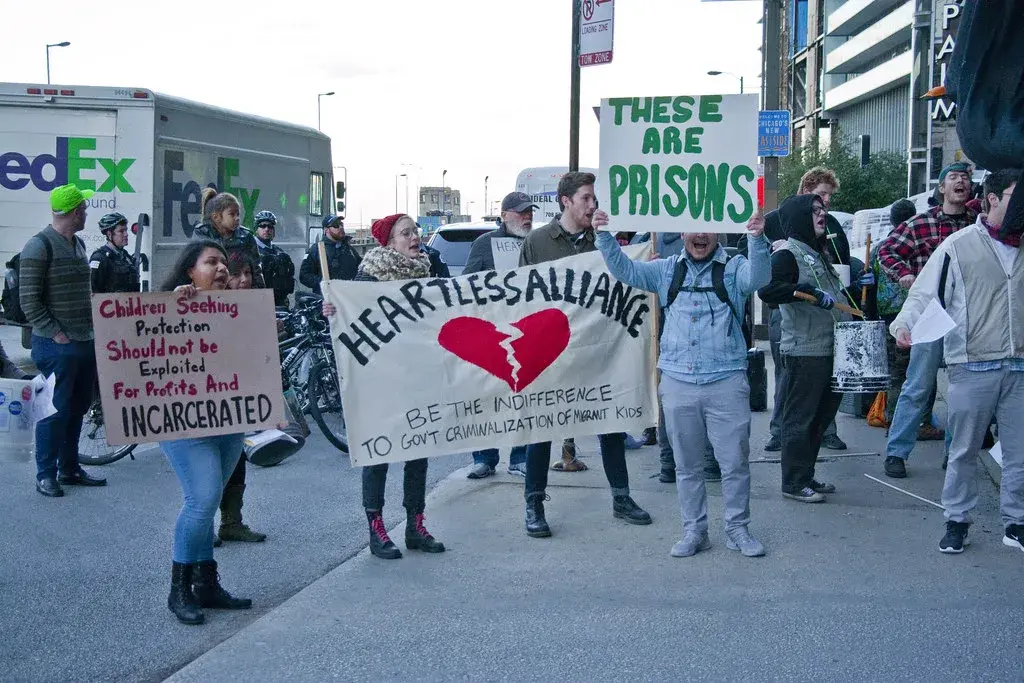
Protesters gathered outside the Delaney Hall immigrant detention centre in New Jersey this week to demand immediate reforms following reports of an escalating hunger strike among detainees. Activists and family members assembled at the facility’s perimeter on Tuesday, citing concerns over alleged human rights abuses, substandard living conditions, and inadequate medical care within the privately operated site.
A History of Oversight Concerns
Delaney Hall, like many immigration detention facilities across the United States, has faced years of scrutiny regarding its operational standards. The facility, which holds individuals navigating federal immigration proceedings, operates under contracts with U.S. Immigration and Customs Enforcement (ICE).
Advocacy groups have long argued that the privatization of detention centers prioritizes profit margins over the health and safety of detainees. Previous reports from non-governmental organizations have highlighted recurring issues including lack of transparency, restricted access to legal counsel, and inconsistent oversight from federal authorities.
The Hunger Strike as a Catalyst
The current unrest was triggered by a coordinated hunger strike initiated by detainees who claim they are being subjected to prolonged isolation and poor hygiene. According to organizers on the ground, the participants are seeking better access to nutritious food, improved sanitation, and a review of their individual detention status.
Hunger strikes have become a recurring form of protest within the immigration system, often serving as a desperate measure for those who feel they have exhausted all other legal channels. In this instance, the demonstration has drawn significant attention from local civil rights attorneys who assert that the facility is failing to meet basic constitutional requirements for the treatment of those in custody.
Expert Perspectives on Detention Policy
Policy analysts suggest that the situation at Delaney Hall reflects broader systemic tensions within the U.S. immigration enforcement apparatus. Dr. Elena Rodriguez, a researcher specializing in immigration policy, notes that detention centers are often caught between federal mandates and the practical realities of managing large, transient populations.
“When individuals feel they have no voice in the legal process, they resort to these highly visible acts of protest,” Rodriguez stated. “The data suggests that facilities facing persistent labor or rights complaints often suffer from high turnover rates and a lack of institutional accountability, which exacerbates the tension between staff and detainees.”
Official reports from immigration oversight bodies have frequently pointed to the difficulty of maintaining consistent standards across a decentralized network of detention centers. The Department of Homeland Security has previously committed to improving oversight, yet critics argue that the implementation of these reforms remains slow and insufficient.
Future Implications and Industry Outlook
The protests at Delaney Hall are expected to intensify pressure on federal officials to conduct an independent audit of the facility’s operations. As legal challenges mount, the industry may see a shift toward more rigorous, third-party inspections and increased transparency requirements for contractors.
Observers are now watching to see how federal agencies will respond to the specific demands of the hunger strikers. The outcome of this standoff could set a precedent for how similar facilities handle internal dissent, potentially influencing future government contracting policies regarding the detention of immigrants.