




A Paradigm Shift in Daily Living
As 2025 draws to a close, a comprehensive review of global lifestyle shifts—spanning interior design, culinary arts, fashion, and personal wellness—reveals a fundamental departure from the high-consumption habits of the early decade. Analysts from The Hindu and industry experts identify a collective pivot toward intentionality, sustainability, and hybrid living spaces that prioritize both mental health and environmental footprint.
The Context of Modern Transformation
The transition observed in 2025 was catalyzed by a post-digital fatigue and a renewed emphasis on tactile, real-world experiences. After years of rapid technological integration, the global middle class began rejecting hyper-fast trends in favor of ‘slow living‘ and durable, multi-functional design.
Redefining Domestic and Personal Spaces
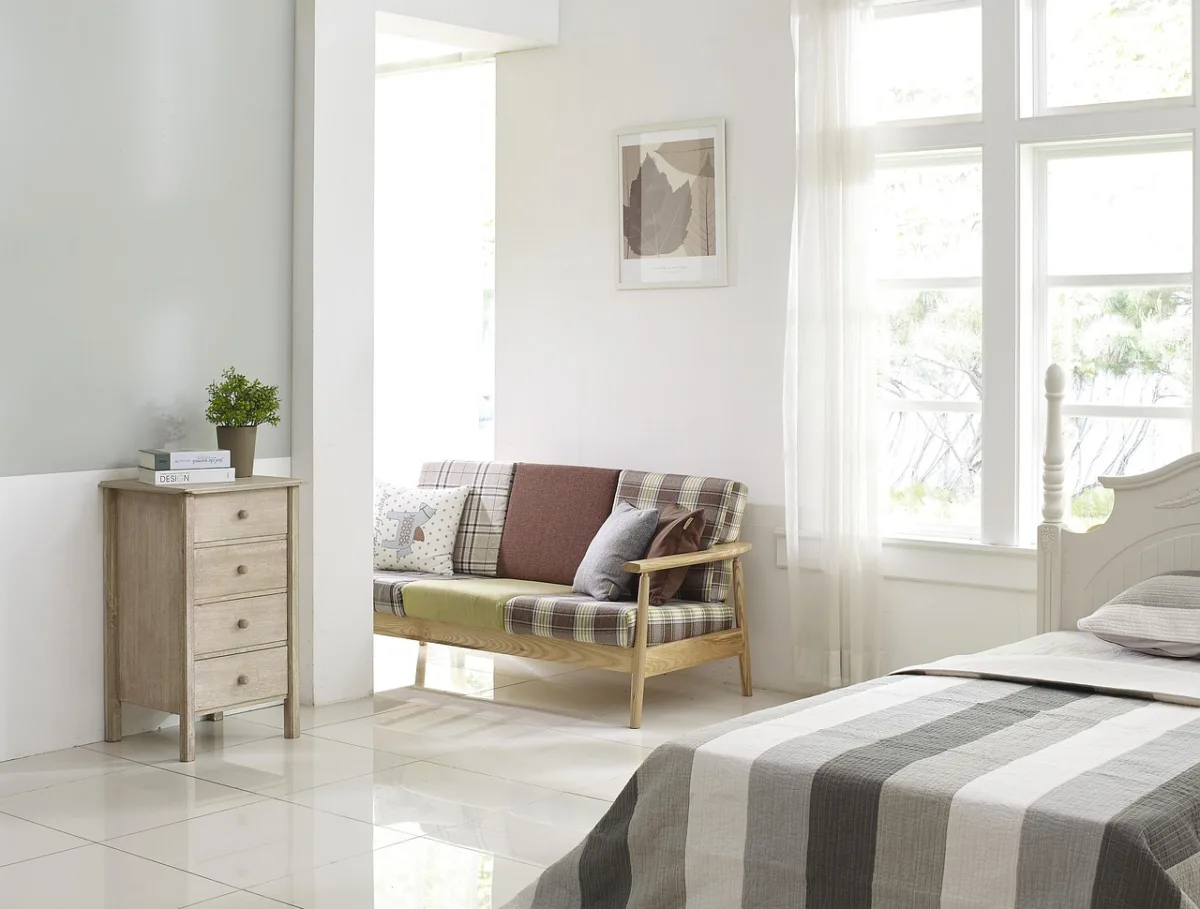
Interior design in 2025 moved away from the sterile, minimalist aesthetic that dominated the previous five years. Instead, architects and designers embraced ‘biophilic maximalism,’ integrating lush indoor gardens and raw, natural materials like reclaimed wood and stone into residential spaces.
This shift reflects a broader desire to blur the lines between indoor comfort and the natural environment. According to current market data, sales of modular, sustainable furniture have outpaced fast-fashion home goods by 22% this year, signaling a permanent change in consumer purchasing power.
Culinary and Fitness Trends
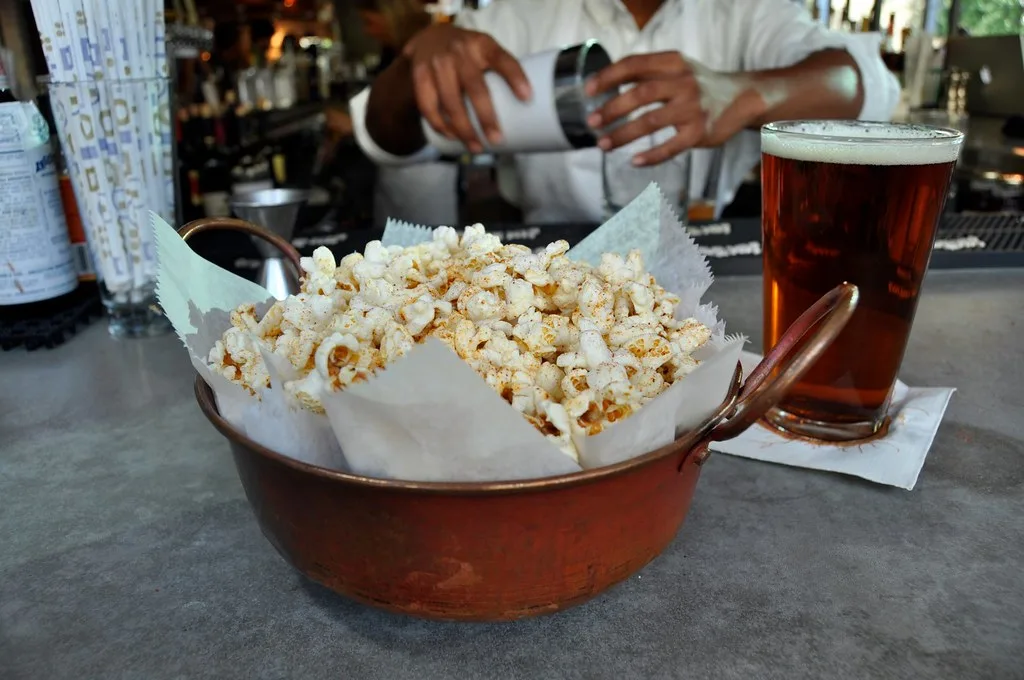
The culinary world transitioned toward hyper-local sourcing and ancestral cooking techniques. Fermentation, heirloom grains, and plant-forward diets moved from niche health circles to the mainstream, supported by a supply chain that favored regional farmers over global logistics networks.
Simultaneously, the fitness industry pivoted toward ‘functional mobility’ and community-based activity. High-intensity interval training, which dominated the early 2020s, has been largely supplanted by low-impact disciplines like calisthenics, yoga, and walking clubs that foster social connection rather than just caloric expenditure.
Expert Insights on Consumer Behavior
Market researchers note that the ‘conscious consumer’ is no longer a marketing buzzword but a driving force in economic strategy. Dr. Aris Thorne, a trend analyst, observes that ‘the value proposition has shifted from novelty to longevity; consumers are now asking how an item will serve them in five years, rather than how it looks on a social media feed.’
Data from the retail sector supports this, showing a marked decline in ‘disposable’ fashion and a surge in the resale and repair economy. This circular model has forced major brands to reconsider their manufacturing timelines and material sourcing to avoid obsolescence.
Future Implications and Emerging Horizons
Looking ahead, the trends of 2025 suggest a long-term trajectory toward decentralized living and personalized wellness. As remote work continues to evolve into a permanent fixture for many, the home will likely undergo further iterations to accommodate professional, recreational, and spiritual needs simultaneously.
Observers should watch for the integration of smart-home technology that prioritizes privacy and energy autonomy, moving beyond mere convenience. The coming year will likely test whether these sustainable practices can remain affordable as demand for ethically sourced goods continues to climb against a backdrop of fluctuating global inflation.