


Strategic Containment Measures
The United States government has initiated the establishment of a specialized quarantine facility in Kenya to monitor and treat American citizens who may have been exposed to or contracted the Ebola virus. This strategic move, confirmed by U.S. officials this week, serves as a proactive containment measure for personnel operating within the East African region.
The facility is designed to provide rapid medical isolation and high-level care for U.S. government employees, contractors, and other authorized American personnel. By stationing these medical resources in Kenya, health officials aim to mitigate the risk of cross-border transmission while ensuring that American citizens receive immediate, specialized care if they encounter the pathogen.
Understanding the Regional Context
Ebola remains a significant public health challenge in parts of Africa, characterized by high mortality rates and the potential for rapid outbreaks. The virus, which causes severe hemorrhagic fever, requires stringent biosafety protocols to prevent human-to-human transmission during clinical treatment.
Kenya has increasingly become a regional logistics hub for international health organizations and diplomatic missions. The decision to locate the facility there aligns with broader U.S. efforts to bolster health security in sub-Saharan Africa, where previous outbreaks have strained local healthcare infrastructure and necessitated international intervention.
Operational Readiness and Biosafety
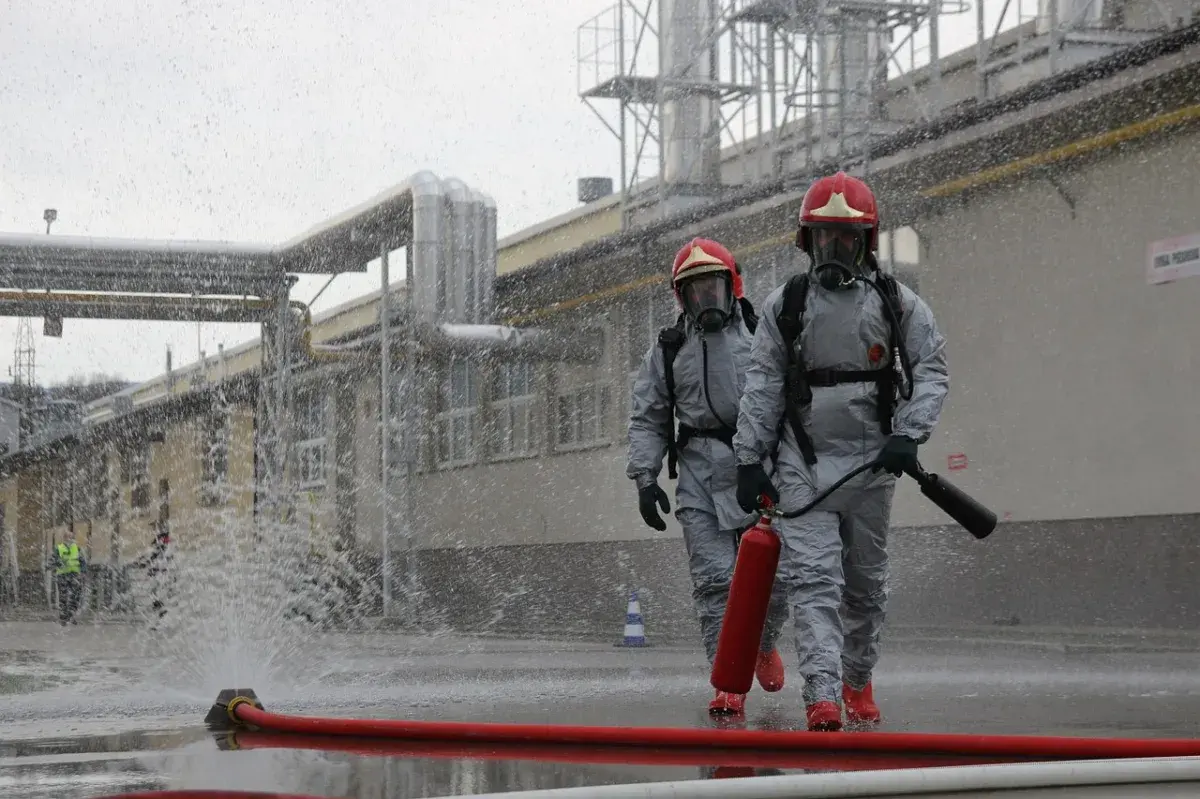
The facility will be equipped with state-of-the-art isolation units and advanced personal protective equipment (PPE) to manage potential cases safely. According to health security experts, the primary objective of such facilities is to contain the virus at the point of origin, preventing the need for medical evacuations that could complicate containment efforts.
Data from the World Health Organization (WHO) consistently underscores that early detection and isolation are the most effective tools for curbing the spread of Ebola. By establishing a dedicated site, the U.S. is adhering to international health regulations that emphasize the importance of preparedness in regions prone to infectious disease outbreaks.
“The establishment of this facility is a standard operational procedure for ensuring the safety of personnel deployed to high-risk environments,” noted a representative familiar with international health security protocols. “It serves as a critical safety net that allows for the controlled management of potential exposures without overwhelming local medical systems.”
Broader Implications for Global Health
For the international community, this development highlights the necessity of maintaining robust, permanent infrastructure to combat emerging infectious diseases. The move signals a shift away from reactive, emergency-based responses toward a more sustainable model of regional health preparedness.
The presence of this facility may also influence how other nations approach medical logistics in East Africa. As global travel continues to recover, the ability to rapidly isolate and treat cases is viewed by industry analysts as a vital component of protecting both international personnel and local populations.
Looking ahead, observers should monitor how the U.S. coordinates these efforts with the Kenyan Ministry of Health and the Africa Centres for Disease Control and Prevention (Africa CDC). The success of this facility will likely serve as a benchmark for future collaborative health security projects across the continent, potentially influencing protocols for other viral threats in the coming years.