


Government Strategy to Combat Rising Costs
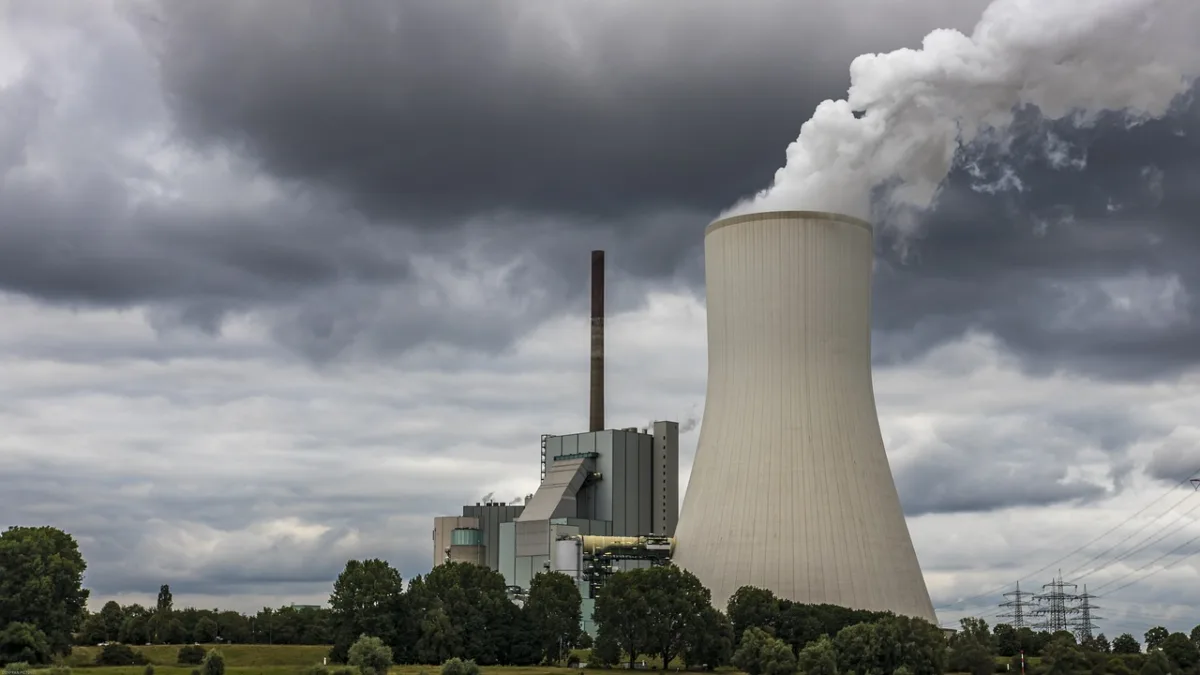
UK government ministers are currently engaged in high-level discussions regarding the potential suspension of a planned carbon tax on fertilisers, a move designed to mitigate persistent food inflation. The proposed policy, which would defer a duty scheduled for implementation early next year, serves as a central pillar in a broader package of measures being negotiated with agricultural stakeholders to protect domestic supply chains.
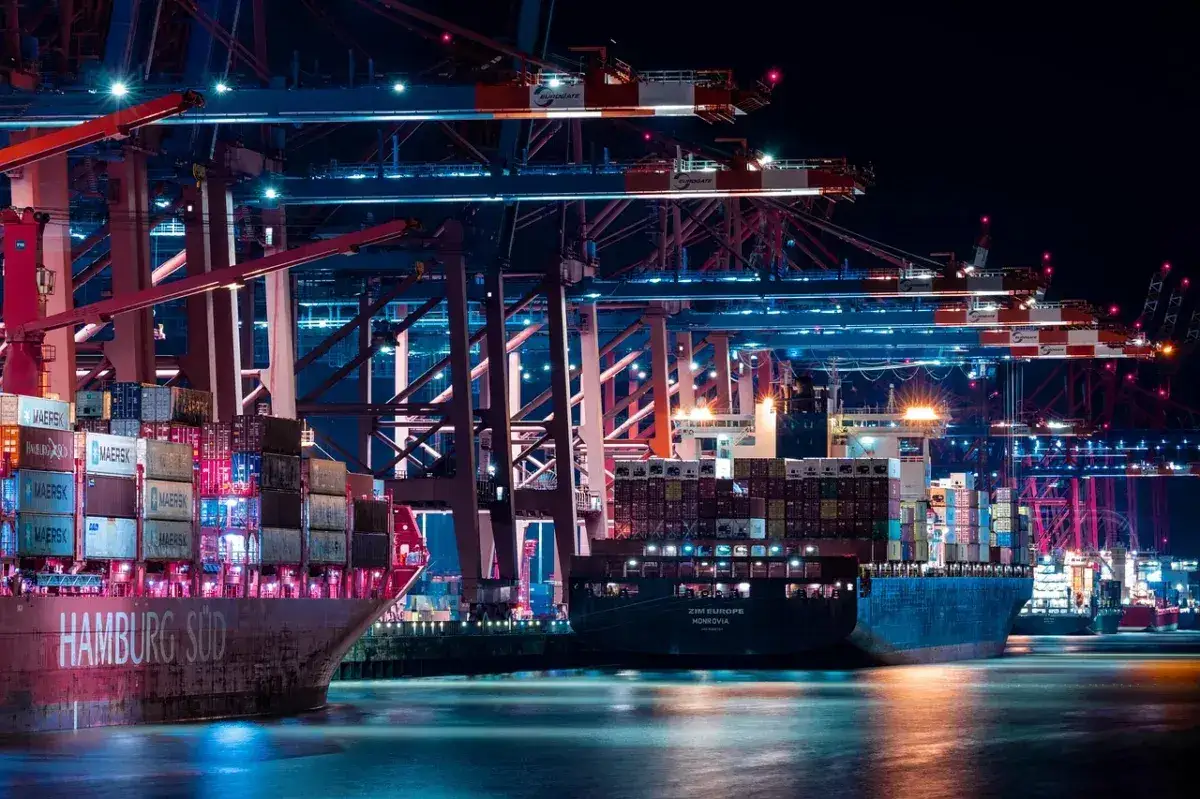
Alongside the fertilizer tax reprieve, officials are considering the temporary suspension of import tariffs on essential food goods, including bread, biscuits, and bananas. By easing the tax burden on producers and importers, the government aims to stabilize the cost of living for consumers who have faced significant grocery price increases over the past eighteen months.
The Economic Context of Agricultural Inputs
The agricultural sector has struggled with volatile production costs since the onset of global supply chain disruptions. Fertiliser prices, heavily linked to natural gas costs, have historically acted as a primary driver of food inflation, as higher input costs are inevitably passed down the supply chain to retailers and eventually shoppers.
While the UK government remains committed to its long-term Net Zero objectives, the current economic climate has forced a pragmatic re-evaluation of environmental levies. Industry leaders have argued that immediate inflationary pressures necessitate a pause in new fiscal burdens to ensure the viability of domestic farming operations during a period of high interest rates and labor shortages.
Analyzing the Broader Impact
Economic analysts suggest that the impact of removing import tariffs on staples could provide a modest but immediate relief to the Consumer Price Index (CPI). By lowering the cost of goods that are not easily produced in the UK, such as bananas, the government hopes to provide a psychological and financial buffer for households struggling with stagnant wage growth.
However, environmental advocacy groups have expressed concern that delaying carbon-related taxes could weaken the incentive for farmers to adopt greener, more sustainable practices. Balancing the immediate need for price stability with the long-term imperative of decarbonizing the food system remains a delicate political tightrope for the current administration.
Industry Perspectives and Projections
Data from the Office for National Statistics indicates that while food inflation has begun to decelerate from its peak, the cost of essential goods remains significantly higher than pre-pandemic levels. Agricultural unions have welcomed the talks, noting that the combination of energy costs and potential new taxes would have made it difficult for many farms to maintain current output levels.
Market experts observe that the efficacy of these measures will depend largely on whether retailers pass the savings onto consumers or absorb them to rebuild profit margins. The success of this policy package will likely be measured by the stabilization of food price indices in the first two quarters of the coming year.
Future Outlook and Monitoring
Industry observers should look for official announcements regarding the specific timeline for the tariff suspensions and the duration of the fertiliser tax pause. Future policy developments will likely focus on whether these temporary relief measures can be paired with long-term subsidies for sustainable agricultural technology, effectively bridging the gap between current economic crises and the government’s environmental targets.