





The Call for Democratic Legitimacy
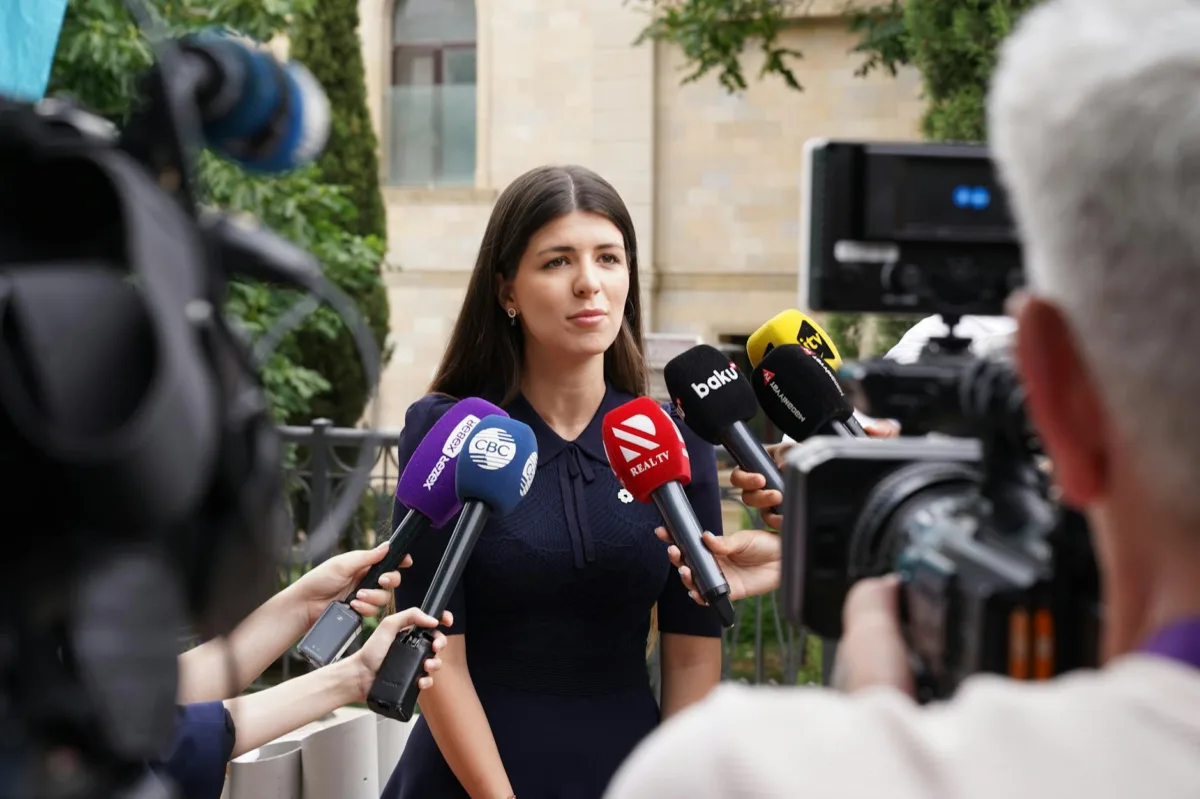
Alberta Premier Danielle Smith issued a direct challenge to provincial separatist movements this week, asserting that those seeking independence must secure a democratic mandate through the upcoming October provincial election rather than relying on fringe agitation. Speaking to reporters, the Premier addressed growing internal pressure regarding Alberta’s relationship with the federal government, emphasizing that the provincial electoral process remains the only legitimate vehicle for such fundamental constitutional changes.
The Premier’s comments come amid heightened political tension within the United Conservative Party (UCP), as various factions grapple with the province’s place within the Canadian confederation. Smith, who has frequently championed provincial autonomy through the Alberta Sovereignty Act, signaled that while she acknowledges the frustration of her base, she expects all political actors to respect the established electoral results.
Contextualizing the Separation Debate
The push for Alberta independence, often referred to colloquially as ‘Wexit,’ gained significant traction during the federal energy disputes of the late 2010s. Proponents argue that the province’s economic interests, particularly in the oil and gas sector, are consistently undermined by federal climate policies and equalization payment structures.
Despite this rhetoric, legal experts have long pointed to the significant constitutional hurdles involved in separation. Under the Clarity Act, any province seeking to secede would require a clear question and a clear majority vote, followed by complex negotiations with the federal government and other provinces. The Supreme Court of Canada’s 1998 reference on Quebec secession established that separation is not a unilateral right but a process requiring extensive legal and political consensus.
Navigating Internal Party Pressures
The Premier’s stance serves as a strategic maneuver to maintain party unity ahead of the fall vote. By framing the separation issue as a matter of electoral success, Smith is effectively shifting the burden of proof onto those advocating for radical constitutional shifts. This approach prevents the issue from dominating the party’s broader platform while delegitimizing calls for extra-parliamentary action.
Political analysts note that Smith is balancing a delicate act. She must appease the populist wing of the UCP that demands aggressive defiance of Ottawa, while simultaneously appealing to moderate voters who prioritize economic stability over constitutional turmoil. Her insistence that separatists must ‘win the vote’ acts as both a challenge and a safety valve, redirecting energies into the party’s official election campaign.
Expert Perspectives on Political Stability
Data from recent polling indicates that while support for provincial autonomy is high, support for full independence remains a minority position among Albertans. Public opinion research suggests that voters are more focused on inflation, healthcare reform, and energy sector regulation than on the logistical complexities of statehood.
Economists have consistently warned that the transition to independence would entail significant fiscal risks, including the loss of federal transfers and the necessity of establishing independent currency and pension systems. These economic realities remain a primary deterrent for the majority of the electorate, despite the vocal nature of independence advocates.
Future Implications for Alberta Politics
The focus now shifts to the October ballot, which will serve as a de facto referendum on the province’s current trajectory. Observers will be watching to see if separatist-aligned candidates gain any measurable traction or if the electorate prefers the status quo of ‘autonomy within Canada’ that Smith has promoted.
Looking ahead, the long-term viability of the independence movement may depend on the outcome of this election cycle. Should the UCP secure a decisive victory, it will likely signal that Albertans favor institutional reform over total separation. Conversely, a poor showing could embolden those who believe the current political establishment is insufficient to address their grievances, potentially leading to a more fragmented political landscape in the years to come.