


U.S. Secretary of State Marco Rubio arrived in New Delhi this week to reinforce the strategic partnership between the United States and India, even as he faced mounting pressure to address President Donald Trump’s protectionist trade policies and restrictive immigration measures. During a series of high-level meetings with Indian officials, Rubio sought to decouple the broader geopolitical alliance from specific economic and visa-related friction points that have caused significant public outcry across the South Asian nation.
The Complex Backdrop of U.S.-India Relations
The relationship between Washington and New Delhi has evolved into one of the most critical partnerships of the 21st century, primarily driven by shared concerns regarding regional security and the rise of China. However, this foundational alignment is currently being tested by the Trump administration’s ‘America First’ agenda, which has introduced tariffs on Indian goods and tightened oversight of H-1B visas.
Historically, Indian professionals have been the primary beneficiaries of the H-1B visa program, which allows U.S. employers to hire foreign workers in specialty occupations. Recent administrative shifts have increased the complexity and cost of these applications, fueling anxiety among India’s massive technology sector and the middle-class families who rely on overseas professional opportunities.
Navigating Trade and Immigration Friction
During his diplomatic mission, Rubio characterized the current policy adjustments as necessary domestic recalibrations rather than a targeted affront to India. He emphasized that the long-term goals of the U.S.-India partnership, including defense cooperation and intelligence sharing, remain prioritized above temporary economic disputes.
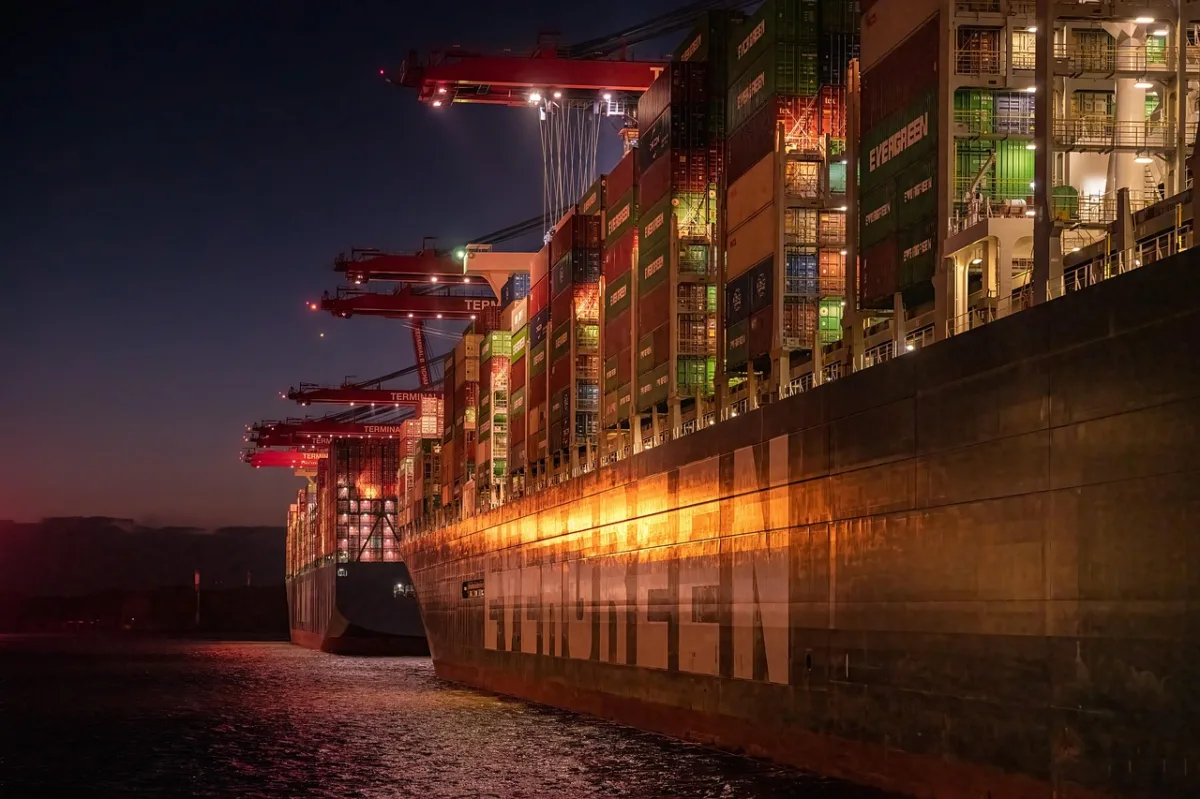
Trade officials in New Delhi, however, have expressed concerns regarding the impact of steel and aluminum tariffs on Indian exports. According to data from the Ministry of Commerce and Industry, the trade deficit remains a focal point for the White House, which has pushed for greater market access for American agricultural products and medical devices in return for easing trade barriers.
Expert Perspectives on the Diplomatic Tightrope
Foreign policy analysts suggest that Rubio’s visit serves as a damage-control exercise. ‘The Secretary of State is attempting to maintain a delicate balance,’ noted Dr. Anjali Rao, a senior fellow at the Center for Strategic and International Studies. ‘He must reassure New Delhi that the U.S. views India as a primary strategic partner while simultaneously defending the President’s domestic policy mandate.’
Economists point out that the bilateral trade volume reached approximately $190 billion last year, highlighting the deep interdependency of the two economies. Despite the rhetoric surrounding trade, both nations remain heavily invested in each other’s growth, with major U.S. tech firms maintaining massive operational hubs in cities like Bangalore and Hyderabad.
Future Implications for the Indo-Pacific Strategy
The success of the U.S. approach in the region depends heavily on whether these economic grievances can be settled through formal negotiations or if they will continue to erode political goodwill. Observers are now looking toward the upcoming G20 summit, where President Trump and Prime Minister Modi are expected to hold bilateral discussions.
Moving forward, the primary indicator of success for this diplomatic outreach will be the resumption of stalled trade talks and the potential for a memorandum of understanding regarding visa processing. Whether the administration can reconcile its populist economic platform with its strategic foreign policy objectives remains the central question for the remainder of the year.