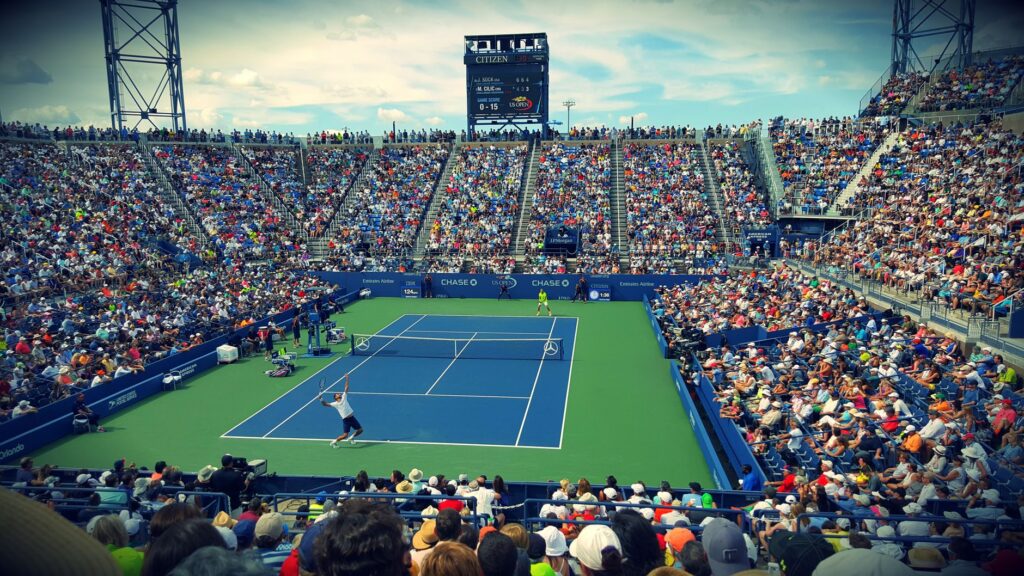

The Journey of Tennis Workhorses
Professional tennis is a sport that demands unwavering dedication, physical endurance, and mental toughness. Among the many competitors on the global tour, players who consistently put in the hard work often find themselves rewarded at the highest levels of the game. Two such competitors, Karen Khachanov and Frances Tiafoe, have built reputations as tireless workers on the court. Their respective journeys in major tournaments showcase a shared path defined by resilience and relentless ambition.
Building Resilient Careers
Both Khachanov and Tiafoe are no strangers to the deep stages of major competitions. Having previously reached the semi-finals at the US Open, these athletes understand what it takes to perform under intense pressure. Their paths to success have not been paved with overnight breakthroughs. Instead, both players have experienced the grueling nature of the tour, battling through physical fatigue, tough opponents, and fluctuating rankings to establish themselves as perennial threats at every major event.
Shared Ambitions for Major Breakthroughs
Despite their previous successes and deep runs in prominent tournaments, both players share a singular, ultimate goal that has yet to be fulfilled. They are both aiming to secure their very first appearance in a Grand Slam final. Reaching that milestone requires overcoming the final psychological and physical hurdles that separate top-tier semi-finalists from tournament champions. Their ongoing pursuit of this elusive achievement highlights the fierce competitive drive that keeps them striving for greatness.
The Mental and Physical Demands
Sustaining a high level of performance across a two-week major tournament is one of the most difficult challenges in professional sports. Athletes must manage recovery, maintain focus through fluctuating weather conditions, and adapt to varying styles of opponents. For competitors like Khachanov and Tiafoe, physical conditioning forms the foundation of their success. Their relentless work ethic in training sessions directly translates to their ability to outlast opponents during marathon matches.
Looking Ahead on the Tour
As the tennis calendar progresses, the lessons learned from previous deep runs continue to shape the approach of both players. Experience at the championship level provides invaluable insight into managing nerves and executing strategy when the stakes are highest. Fans and analysts alike watch closely as these two resilient competitors continue their quest, knowing that their dedication to the sport makes a major breakthrough a very real possibility in the near future.