Actors Jake Gyllenhaal and Jamie Lee Curtis revealed this week that they spent a significant portion of the Covid-19 pandemic lockdown living together, forging an unlikely domestic bond while the world remained under strict stay-at-home orders. The two Hollywood stars, who share a long-standing familial connection through Gyllenhaal’s godmother, Curtis, utilized the isolation period to cultivate a daily routine centered on wellness, culinary exploration, and physical activity.
The Roots of an Unlikely Partnership
The connection between the two performers traces back decades, as Curtis was a close friend of Gyllenhaal’s parents, director Stephen Gyllenhaal and screenwriter Naomi Foner. When the pandemic forced production halts across the entertainment industry in 2020, Gyllenhaal found himself looking for a stable environment while Curtis offered up her guest space.
This arrangement allowed the pair to navigate the uncertainty of global lockdowns in a shared environment. By pooling their resources and support systems, they avoided the total isolation that many public figures experienced during the height of the health crisis.
Domestic Life in Lockdown
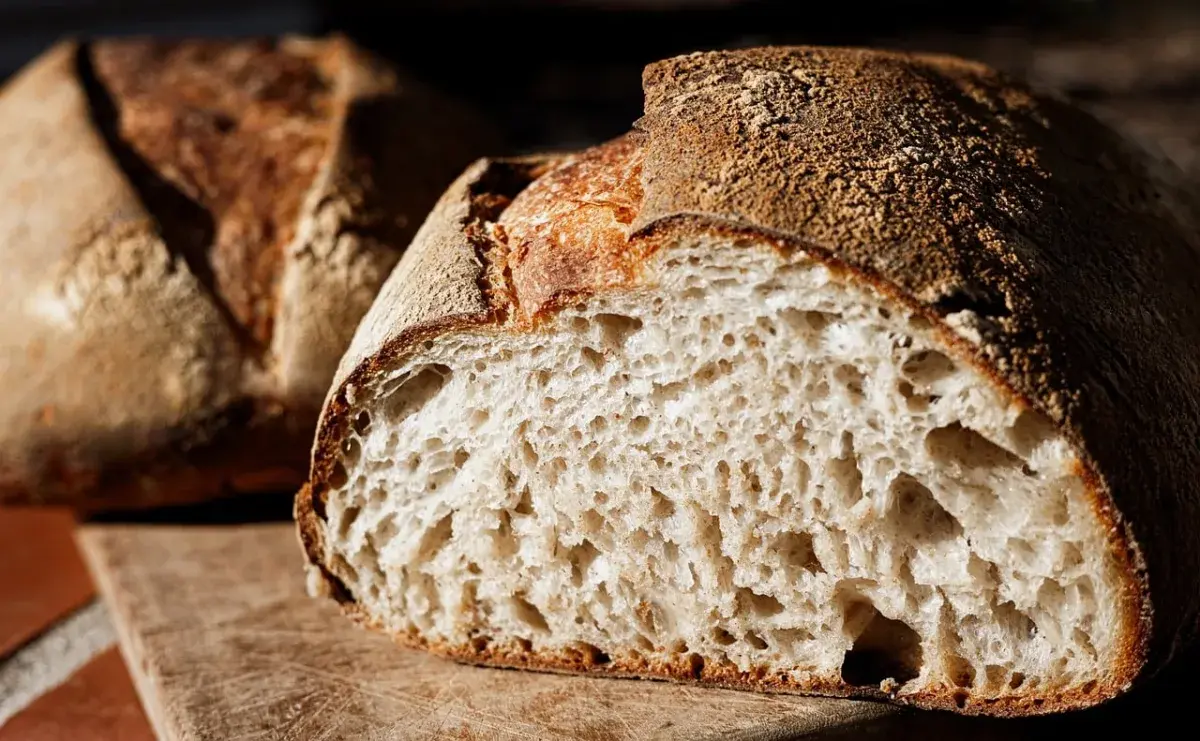
During their time together, the pair focused on structured activities to maintain mental and physical health. Gyllenhaal and Curtis famously engaged in sourdough baking, a hobby that surged in popularity globally during the early months of the pandemic as grocery store supplies dwindled and consumers turned to home-based food preparation.
Beyond the kitchen, the actors prioritized fitness, with Gyllenhaal documenting his attempts at performing handstands—a feat that required significant core strength and practice. The practice became a lighthearted fixture of their daily routine, serving as a distraction from the bleak news cycle and the professional stagnation imposed by the global health emergency.
Expert Perspectives on Pandemic Bonding
Sociologists note that the pandemic prompted many individuals to re-evaluate their living situations and prioritize close-knit social bubbles. According to data from the Pew Research Center, nearly one-in-four U.S. adults reported living with someone they otherwise would not have, had the pandemic not occurred.
Dr. Elena Rossi, a social psychologist, explains that these arrangements were often a survival mechanism. “Shared living during a crisis provides a vital psychological buffer,” she stated. “When people are stripped of their usual professional outlets, they turn to domestic rituals—like cooking or learning new skills—to reclaim a sense of agency and normalcy.”
Implications for Industry Peers
For the entertainment industry, the lockdown period represented a total shutdown of traditional filming environments. The story of Gyllenhaal and Curtis highlights how even high-profile stars were forced to pivot toward the same domestic realities as the general public.
This period of forced reflection has since influenced how many actors choose to approach their work-life balance. Many have publicly stated that the time spent away from the frenetic pace of film sets allowed them to prioritize personal relationships over constant professional output.
Looking Ahead
As the industry continues to evolve in a post-pandemic landscape, observers will be watching to see how these strengthened personal bonds translate into future creative collaborations. With both actors having returned to active filming schedules, the focus shifts to whether this unique period of domestic solidarity will result in shared projects or simply remain a footnote in their long-standing professional friendship. Industry analysts suggest that the trend of “creative pods” may continue to influence how actors coordinate their production schedules and living arrangements during future film shoots.