
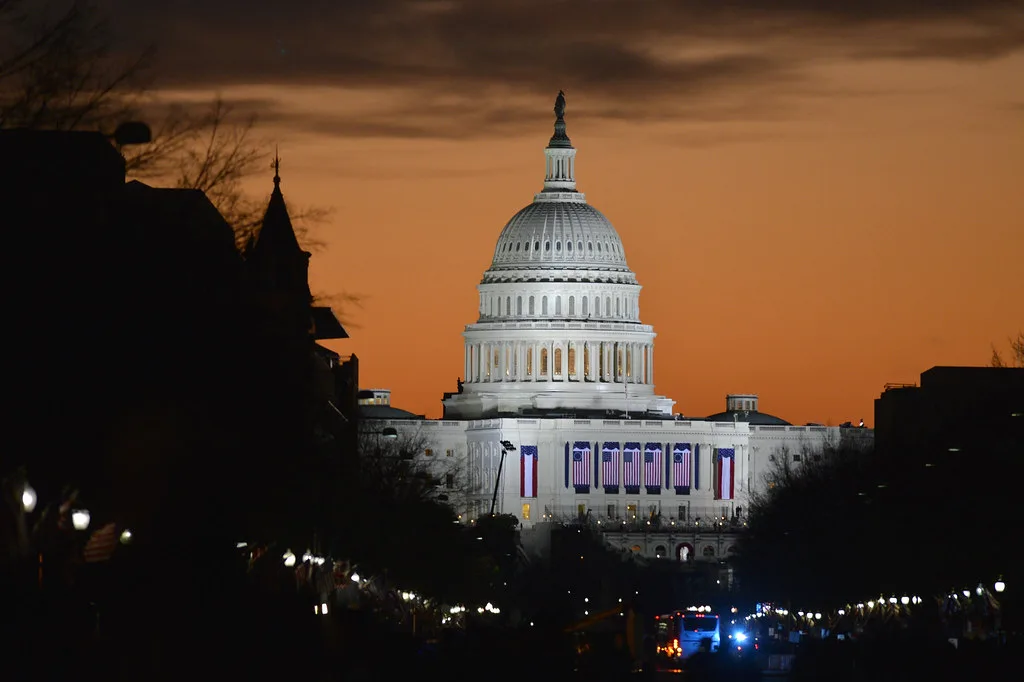
The Impending Fiscal Collision
Millions of Americans face significant economic uncertainty this week as House Speaker Kevin McCarthy attempts to maneuver through a high-stakes debt ceiling standoff with the Biden administration. As the federal government edges closer to a potential default, Washington is simultaneously bracing for an intensified 2024 primary season, with prominent Republicans maneuvering for position against former President Donald Trump.
Contextualizing the Debt Ceiling Crisis
The debt ceiling, a legislative limit on the amount of national debt the U.S. Treasury can incur, has become a primary instrument of political leverage. Historically a routine procedural vote, the ceiling has transformed into a partisan battleground where fiscal policy debates are held hostage to political agendas. Currently, the administration demands a clean increase, while GOP leadership insists on spending cuts as a condition for negotiation.
The Shifting GOP Landscape
Beyond the fiscal horizon, the Republican party is experiencing a profound internal realignment. Florida Governor Ron DeSantis has made rare appearances in Washington, D.C., seeking to consolidate institutional support for a potential presidential run. His efforts signal a strategic shift for a politician who previously built his brand on distancing himself from the capital’s establishment.
Simultaneously, the party’s moderate wing is exploring alternatives to the current front-runner. Former New Jersey Governor Chris Christie is reportedly weighing a 2024 bid, adding to a growing list of candidates eager to challenge Donald Trump’s influence over the party base. Analysts suggest that the GOP’s path to future electoral success may hinge on whether the party can successfully transition away from Trump’s populist platform.
Regional Tensions and National Implications
The political atmosphere is further complicated by localized unrest, such as recent legislative turmoil in Tennessee, which observers describe as a microcosm of broader national polarization. These regional developments reflect a growing trend of intense partisanship that is increasingly difficult for national party leaders to contain.
Data from recent political polling indicates that while the base remains loyal to the former president, there is a measurable appetite among independent voters for a change in leadership. According to recent reports, the friction between traditional conservative values and the current populist movement is creating a vacuum that candidates like DeSantis and Christie are vying to fill.
Industry and Economic Outlook
For the average American, the implications of this volatility are substantial. Failure to raise the debt limit could lead to a downgrade in the nation’s credit rating, potentially triggering higher interest rates and a broader economic contraction. Financial markets remain on edge as investors monitor the legislative gridlock in the House of Representatives.
Looking forward, all eyes are on the upcoming weeks as the Treasury Department’s ‘X-date’—the day the U.S. runs out of cash—approaches. Observers are also watching for the official entry of new candidates into the 2024 race, which will likely dictate whether the Republican party remains anchored to its current trajectory or seeks a new ideological direction. The combination of fiscal brinkmanship and primary maneuvering suggests a volatile summer ahead for the American political system.