




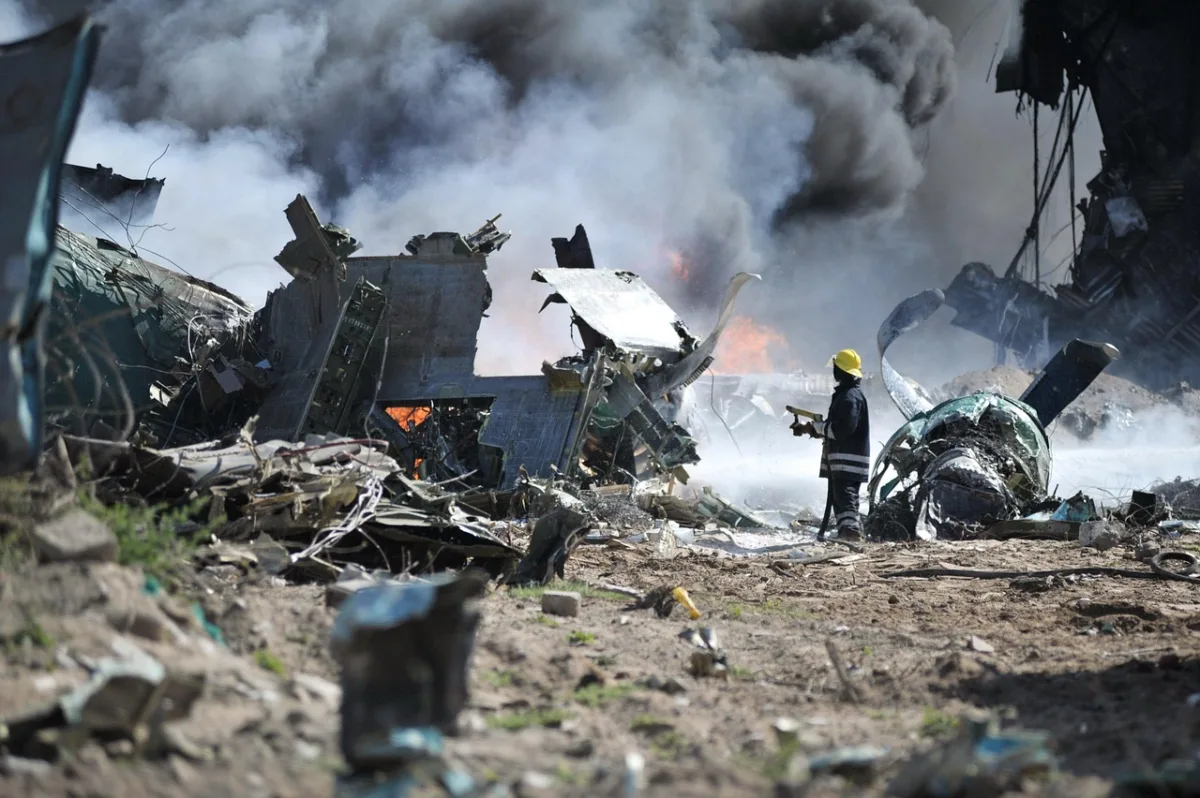
A Day of Crisis in Virginia
Tragedy struck Virginia on May 29 as a devastating bus crash claimed the lives of at least five people and left 44 others injured, while rescue teams simultaneously executed a high-stakes operation to save a miner trapped in a separate subterranean emergency. The dual incidents placed immense pressure on state emergency services, drawing national attention as officials scrambled to manage medical triage for the bus crash survivors and coordinate technical extraction efforts for the trapped worker.
The Bus Accident: A Morning of Chaos
The fatal bus crash occurred on a major highway, prompting an immediate multi-agency response. Local authorities confirmed that the vehicle lost control, resulting in a significant wreck that required dozens of emergency responders to stabilize 44 injured passengers.
Hospitals in the surrounding region triggered mass casualty protocols to handle the influx of patients. State police have initiated an investigation into the cause of the collision, examining factors including road conditions, mechanical integrity, and driver logs to determine the sequence of events that led to the fatalities.
Subterranean Rescue Efforts
Concurrent with the highway tragedy, emergency crews were focused on a complex cave rescue involving a trapped miner. Technical rescue teams, including specialized divers, navigated challenging geological conditions to reach the victim.
Officials confirmed that the first miner was successfully extricated from the site earlier today. The operation required precise coordination between mine safety experts and rescue divers, highlighting the extreme risks inherent in subterranean industrial work.
Emergency Management Challenges
The occurrence of two major emergency events on the same day tested the limits of Virginia’s regional response infrastructure. Experts note that managing a mass-casualty transport incident alongside a specialized technical rescue requires a high level of inter-departmental communication.
Data from the National Highway Traffic Safety Administration (NHTSA) often underscores the volatility of commercial transport safety, while the Mine Safety and Health Administration (MSHA) maintains strict guidelines for extraction operations. The simultaneous nature of these crises provides a sobering case study for emergency management planners regarding resource allocation during overlapping disasters.
Broader Implications and Future Oversight
For the transportation industry, the bus crash will likely trigger renewed scrutiny regarding safety oversight and driver fatigue protocols. Investigators are expected to release preliminary findings within the coming weeks to determine if regulatory lapses played a role in the incident.
In the mining sector, the successful rescue will shift focus toward preventative safety measures and the adequacy of emergency response technology in deep-earth environments. Stakeholders are now looking toward upcoming legislative sessions where lawmakers may push for increased funding for regional rescue squads and enhanced safety training for commercial transport operators.
As authorities continue to process the aftermath of these events, the focus will shift to victim support services and the long-term investigation into the mechanical and human factors involved. Observers should monitor upcoming safety reports from the National Transportation Safety Board (NTSB) and MSHA to understand the specific failures that necessitated such large-scale emergency interventions.