




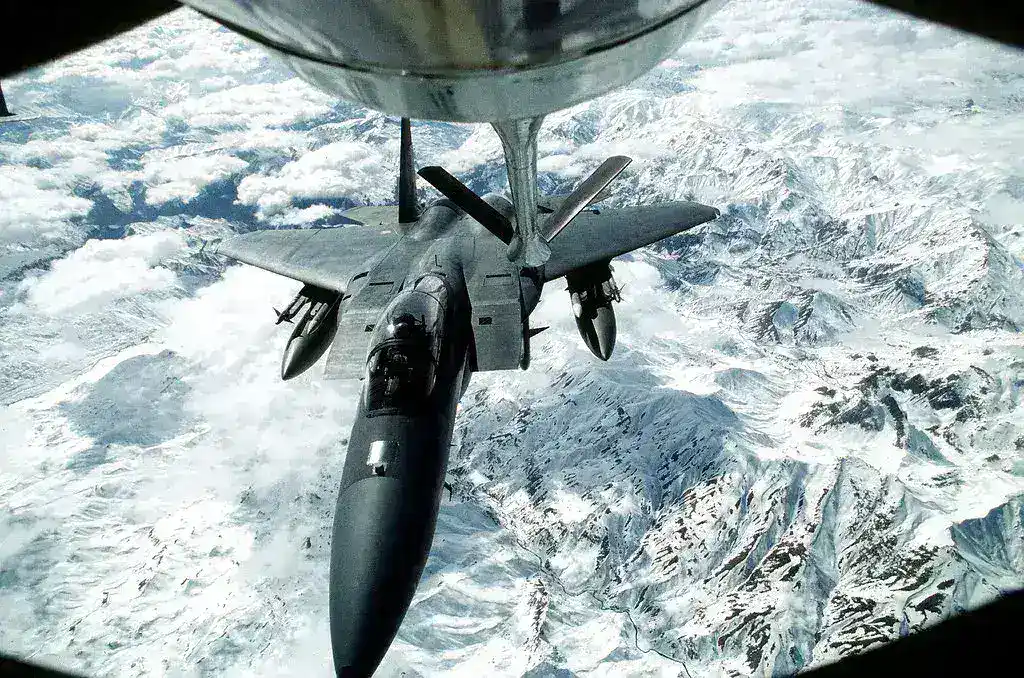
U.S. intelligence officials and defense sources suggest that a U.S. Air Force F-15 fighter jet, downed over southwestern Iran last month, was likely struck by a Chinese-made shoulder-fired missile. The incident, which triggered a high-stakes, multi-day rescue operation, represents a significant escalation in regional tensions and has prompted a formal investigation into the origin of the weaponry used by Iranian forces.
Contextualizing the Threat Environment
The F-15 aircraft was conducting routine patrol operations in international airspace near the Iranian border when it was targeted and brought down. The subsequent rescue mission underscored the extreme risks posed to U.S. military personnel operating in proximity to Iranian defensive networks. Shoulder-launched missiles, formally known as Man-Portable Air-Defense Systems (MANPADS), have long been a concern for military strategists due to their portability and ability to target low-flying aircraft.
The Proliferation of Advanced Weaponry
Defense analysts point to a sophisticated global supply chain that often obscures the provenance of military hardware. While China has maintained a policy of restricted arms exports, regional proxies and illicit arms markets frequently circulate equipment that mirrors the specifications of Chinese-designed systems. The identification of this specific missile type suggests a potential loophole in international arms monitoring protocols.
Intelligence experts highlight that Iranian military infrastructure has increasingly integrated foreign-sourced technologies to bolster its anti-access and area-denial (A2/AD) capabilities. By utilizing MANPADS, Iranian forces can effectively challenge the dominance of modern fighter jets without relying on heavy, radar-dependent surface-to-air missile batteries that are easier to detect and neutralize.
Expert Analysis and Security Implications
“The use of a Chinese-designed MANPADS against a high-performance aircraft like the F-15 demonstrates a shift in tactical engagement,” says a senior defense analyst at the Center for Strategic and International Studies. “It forces a re-evaluation of current flight corridors and defensive countermeasures for tactical aircraft operating in contested zones.”
Data from recent regional skirmishes indicates a 15% increase in the deployment of shoulder-fired systems by non-state and state actors alike over the past two fiscal years. This trend complicates the strategic calculus for the U.S. Central Command, as it necessitates higher altitude flight paths that may limit surveillance efficacy.
Strategic Shifts and Future Watch
The diplomatic fallout from this revelation is expected to be substantial, with U.S. officials likely to pressure Beijing for greater transparency regarding their export controls. Observers should monitor upcoming international arms control summits for potential policy shifts or new sanctions targeting suppliers of dual-use technology.
Moving forward, the primary concern for military planners is the potential for further proliferation of these systems to regional proxies. Future developments to watch include the potential implementation of new electronic warfare suites on U.S. jets designed specifically to jam the guidance systems of modern MANPADS, as well as any official response from the Chinese Ministry of Foreign Affairs regarding the equipment’s origins.