



Strategic Readiness in Gibraltar
British naval forces stationed at Gibraltar have begun final preparations to deploy advanced autonomous mine-hunting technology to the Strait of Hormuz, pending the successful conclusion of regional peace negotiations. This initiative, designed to ensure freedom of navigation in one of the world’s most critical maritime chokepoints, marks a significant shift in how the United Kingdom approaches regional security and mine countermeasures.
The Critical Context of Global Energy
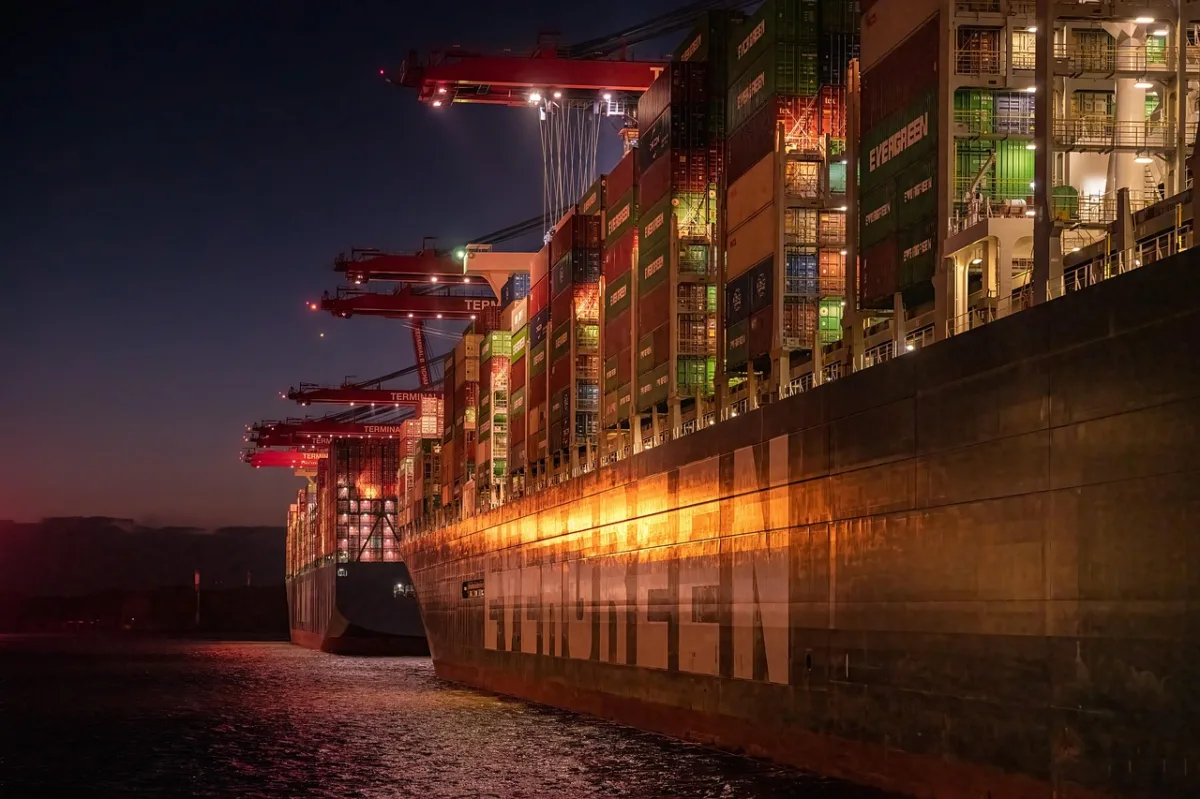
The Strait of Hormuz serves as a vital artery for the global economy, with approximately 20% of the world’s petroleum passing through its narrow passage daily. Historically, the area has been a flashpoint for geopolitical tension, with maritime security frequently threatened by the presence of naval mines and regional skirmishes. Protecting these waters is essential for maintaining international energy price stability and ensuring the safety of commercial shipping lanes.
Technological Advancements in Mine Warfare
The British Ministry of Defence is pivoting toward unmanned systems to mitigate risks to human sailors. These autonomous platforms are equipped with high-resolution sonar and artificial intelligence, allowing them to detect, classify, and neutralize underwater threats with greater precision than traditional manned vessels. By utilizing remote-operated vehicles, the Royal Navy can clear hazardous waters without putting personnel directly into harm’s way.
Expert Perspectives on Naval Modernization
Defense analysts suggest that this shift toward autonomous warfare represents a broader trend in global naval strategy. According to recent reports from the Royal United Services Institute (RUSI), the adoption of drone-based minehunting reduces the operational footprint and increases the speed at which vital shipping lanes can be reopened following a conflict. This technology allows for continuous, 24-hour surveillance that was previously impossible with standard surface fleet operations.
Implications for Global Trade
For the shipping industry, the deployment of this technology could lead to lower insurance premiums and greater predictability for supply chains passing through the Middle East. If successful, the mission will likely serve as a blueprint for future maritime security operations in contested waters worldwide. The transition suggests that the future of sea control will rely less on massive surface combatants and more on networked, autonomous systems capable of operating in high-risk environments.
Looking Ahead
As negotiations progress, industry observers should monitor how the integration of these autonomous assets influences international maritime law and regional security pacts. The successful deployment of this technology could accelerate the global transition toward unmanned naval warfare, forcing other nations to rapidly modernize their own mine-countermeasure fleets to remain relevant in changing maritime landscapes.