



New Mission to Tiangong
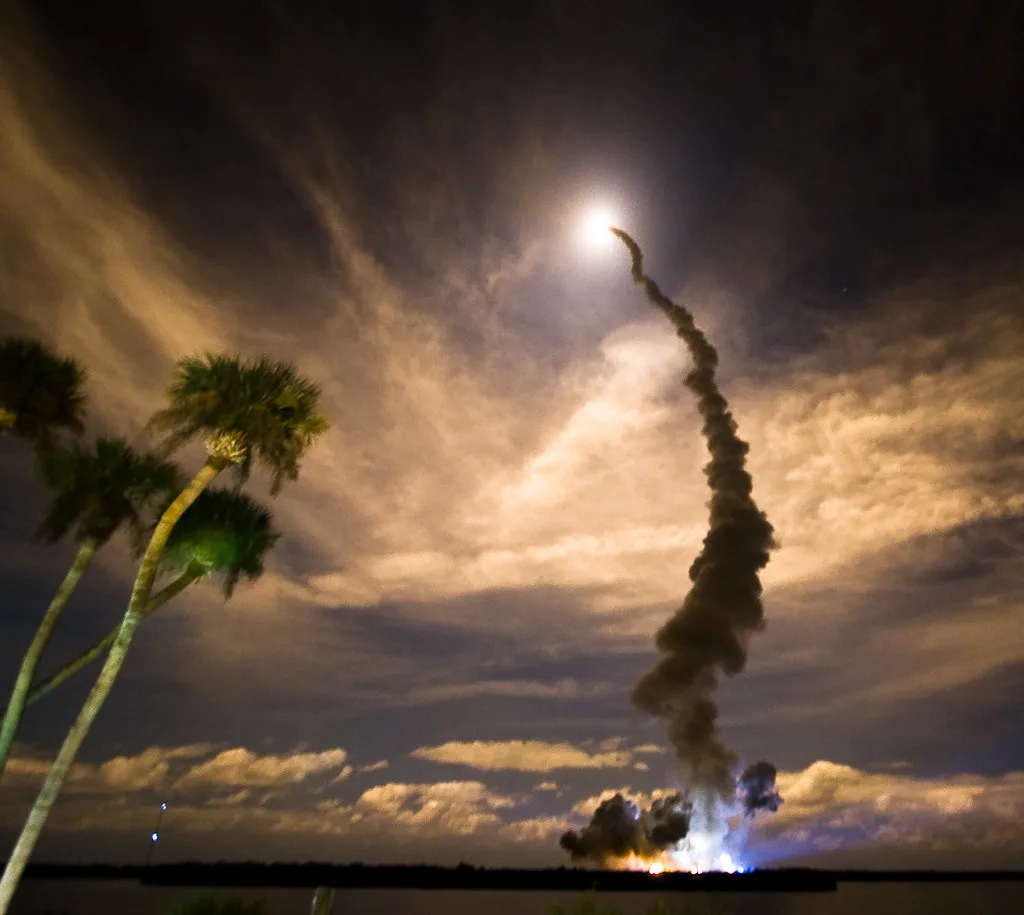
China successfully launched the Shenzhou 23 spacecraft from the Jiuquan Satellite Launch Center in the Gobi Desert on Sunday night, marking a significant milestone in the nation’s long-term space exploration strategy. The mission carries a three-person crew to the Tiangong space station, where one astronaut is scheduled to remain for a full year to conduct extended physiological and psychological research.
Contextualizing the Tiangong Program
The Tiangong space station, which became fully operational in 2022, represents the centerpiece of China’s ambition to establish a permanent human presence in low Earth orbit. Beijing has prioritized the station as a hub for international scientific collaboration and a testing ground for technologies required for future deep-space exploration. The facility serves as a modular laboratory, allowing for continuous scientific output while rotating crews to manage maintenance and research operations.
Expanding Human Endurance
The decision to commit an astronaut to a yearlong mission signifies a shift toward testing the limits of human endurance in microgravity. While international crews aboard the International Space Station (ISS) have previously completed yearlong stays, this mission marks a critical step for the Chinese space program in gathering longitudinal data on human health in space. Researchers aim to study the effects of long-term cosmic radiation and muscle atrophy on the crew to better prepare for future lunar and Martian missions.
Operational Logistics and Scientific Goals
The Shenzhou 23 crew will be responsible for conducting a series of high-priority experiments in materials science, fluid physics, and life sciences. The station’s automated systems handle much of the day-to-day maintenance, but the presence of a dedicated crew is essential for complex manual interventions and the management of sensitive biological samples. According to the China Manned Space Agency, the mission underscores a commitment to maintaining a robust, multi-year scientific cycle that leverages the station’s unique microgravity environment.
Industry and Global Implications
The extended duration of this mission signals to the global aerospace community that China is accelerating its capability to sustain human life in space for longer intervals. For the aerospace industry, this suggests an increased demand for life-support technology, radiation shielding, and long-term supply chain logistics to support permanent orbital infrastructure. As China continues to invite international scientific partners to utilize Tiangong, the station is increasingly viewed as a functional alternative to existing orbital platforms.
Future Outlook
Observers are now looking toward the upcoming mission rotation schedules and potential plans for expanding the station with additional modules. Key developments to watch in the coming months include the data return from the one-year study and any announcements regarding the potential transition of the station toward commercial or international cargo resupply contracts. These steps will determine how effectively China can transition from a nascent space power to a dominant, long-term operator in orbital logistics.