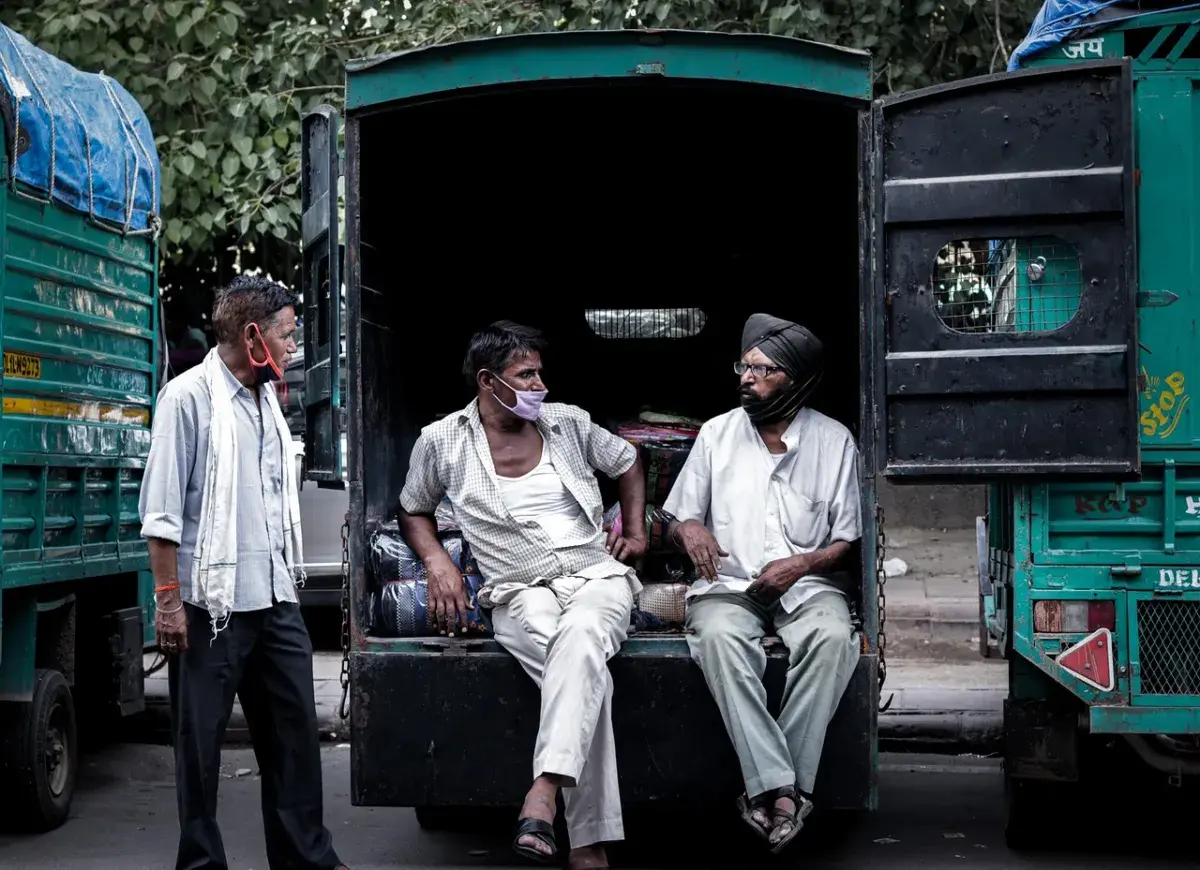






The Immediate Weather Outlook
The India Meteorological Department (IMD) has issued a yellow alert for Delhi-NCR, warning of imminent dust storms and gusty winds expected to hit the national capital tonight. This shift in weather follows an intense period of extreme heat, with the IMD simultaneously maintaining a red-coded warning for severe heatwave conditions across multiple regions of India as temperatures in some areas have surged past 47°C.
Contextualizing the Extreme Heat
Delhi has been grappling with a relentless surge in temperatures, with the city recently recording a minimum temperature of 28.4°C, which is notably above the seasonal average. These furnace-like conditions are part of a broader climatic trend affecting northwest India, characterized by prolonged dry spells and the absence of cooling precipitation.
The Dual Threat: Dust and Heat
The meteorological situation presents a complex challenge for residents, as the region experiences a dual impact of high thermal stress and volatile wind patterns. While the forecasted dust storms may provide a temporary reduction in peak daytime temperatures, they also pose significant risks to air quality and visibility, complicating the already difficult living conditions in the capital.
The IMD reports that the current heatwave is driven by a lack of moisture and persistent, dry westerly winds originating from arid zones. These winds have prevented the usual cooling mechanisms from taking effect, leading to sustained discomfort for millions of residents.
Expert Insights and Data
According to data released by the IMD, the severe heatwave conditions are expected to persist until at least May 29, when a potential change in wind patterns may bring much-needed relief. Meteorological experts emphasize that the combination of high humidity and extreme heat indices is pushing the limits of the local ecosystem, placing significant strain on energy infrastructure and public health services.
Implications for the Future
For the residents of Delhi-NCR, the coming days will require stringent adherence to heat-safety protocols, including avoiding peak sun exposure and maintaining adequate hydration. The industry and local administration are being urged to prepare for potential power grid fluctuations as cooling demands reach unprecedented peaks.
Observers should watch for shifts in the monsoon onset projections, as the intensity of the current heatwave may influence the timeline and distribution of seasonal rainfall. Should the forecasted relief on May 29 fail to materialize, authorities may be forced to implement more aggressive emergency response measures to protect vulnerable populations from prolonged heat exposure.