





The Great Climate Split
The India Meteorological Department (IMD) has issued a red-category warning for North India, signaling severe heatwave conditions expected to persist throughout Monday. As millions in states like Delhi, Rajasthan, and Haryana face furnace-like temperatures exceeding 47°C, the southern peninsular region of the country is concurrently preparing for heavy rainfall, highlighting a sharp climatic divide across the subcontinent.
Contextualizing the Seasonal Extremes
India is currently navigating a volatile pre-monsoon phase, a period historically characterized by shifting atmospheric pressures and rising temperatures. The current heatwave is driven by dry, westerly winds blowing from the desert regions of Pakistan into North India, preventing the cooling influence of maritime air. Conversely, the southern states are experiencing the early onset of cyclonic circulations and moisture-laden winds, which are facilitating widespread precipitation.
The Impact of Scorching Temperatures
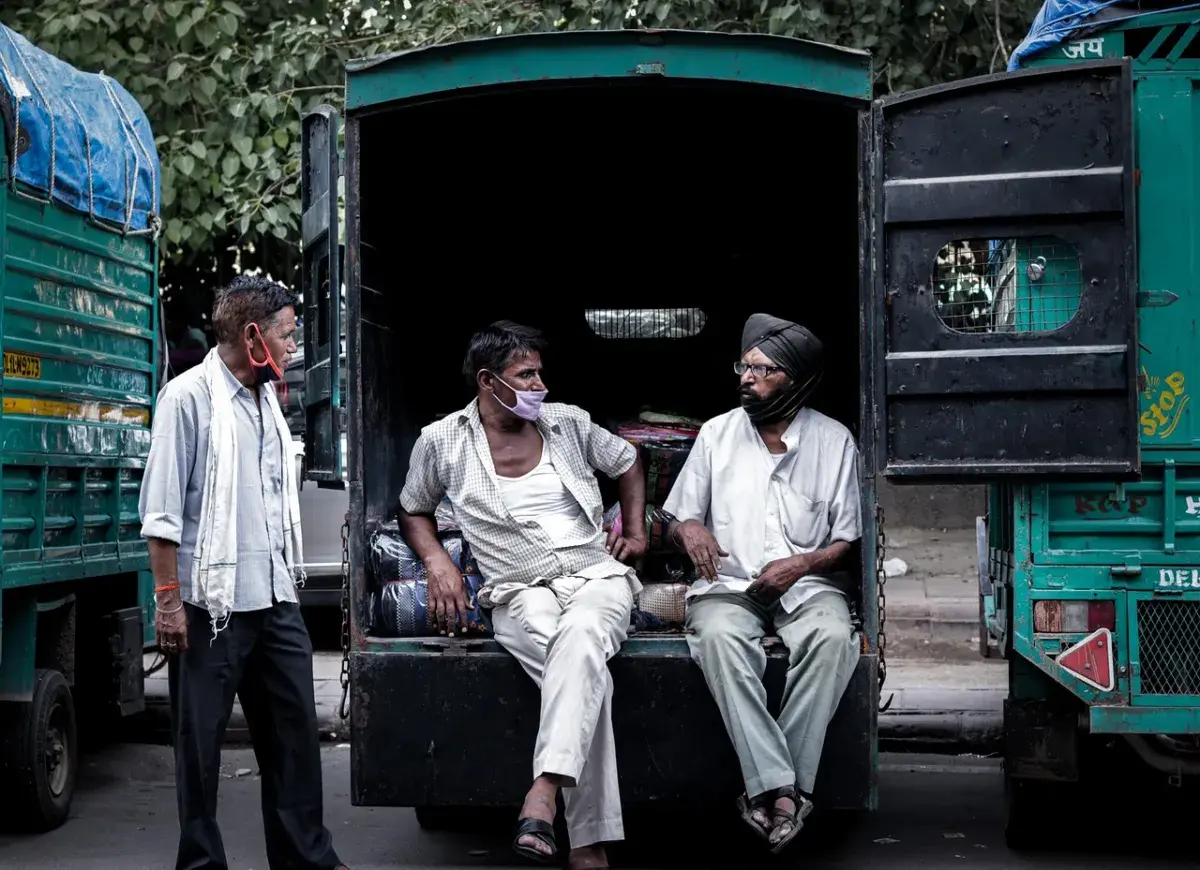
Residents in Delhi-NCR are reporting extreme discomfort as the national capital records minimum temperatures as high as 28.4°C, preventing any nocturnal relief from the daytime heat. The IMD has cautioned that these conditions, categorized as a ‘Severe Heat Wave,’ pose significant health risks, particularly for vulnerable populations, outdoor workers, and the elderly. The agency has advised the public to minimize exposure, remain hydrated, and avoid strenuous activities during peak sun hours.
Expert Projections and Meteorological Data
Meteorologists emphasize that the current thermal intensity is significantly above the seasonal average. Data from the IMD suggests that the combination of high humidity in some pockets and dry heat in others is creating a dangerous index for heat stress. While the northern plains continue to endure dust storms and gusty winds, these meteorological events are currently failing to lower the ambient temperature, instead acting as irritants that reduce visibility and air quality.
Industry and Public Implications
The prolonged heatwave is creating immense pressure on the national power grid as electricity demand for cooling systems reaches record highs. Agricultural experts also warn that the extreme heat could impact the yield of standing crops and stress livestock, necessitating localized management strategies. For the logistics and transport sectors, the combination of heat-related road surface degradation and potential dust storm disruptions remains a critical operational concern.
Future Outlook and Relief
The IMD has indicated that the current wave of extreme heat is expected to maintain its grip on the northern states until at least Friday. However, long-range forecasts offer a glimmer of relief, with climate models suggesting that a shift in wind patterns and a potential advancement of the monsoon current could bring temperatures down starting May 29. Authorities remain on high alert, monitoring for any sudden changes in weather trajectory that could exacerbate the current conditions or accelerate the arrival of monsoon moisture.